
For years, collagen has been presented as a secret weapon against wrinkles, sagging skin and joint problems. Creams, drinks, powders and capsules claim to firm the skin and slow the ageing process. Anyone expecting a younger-looking face may be disappointed: experts find little robust evidence of a noticeable effect, and some products may even cause side effects.
What collagen actually does in the body
Collagen is not an esoteric beauty ingredient but a vital structural protein. Around one third of all protein in the body is collagen. It supports bones, gives tendons their strength and helps skin remain elastic. Without collagen, connective tissue would effectively collapse in on itself.
The body makes this protein itself. Dietary proteins are broken down into amino acids, which are then used to produce new collagen. Key building blocks include glycine, lysine and proline. People who eat a reasonably balanced diet will generally provide their body with enough material for this process.
However, the situation starts to change from the mid-twenties onwards: the body's own production gradually slows. This is not immediately obvious, but becomes visible over time. Skin loses firmness, fine lines remain and wounds take longer to heal. This is precisely where the beauty industry's marketing machine steps in.
“Collagen is important for firm skin – but the body largely controls this metabolism itself and cannot simply be outsmarted from the outside.”
Why collagen creams offer little beyond a pleasant feeling
The advertising sounds appealing: a cream that delivers collagen directly into the skin and plumps it up from within. In reality, the concept fails because of one simple obstacle: the skin barrier. Collagen molecules are far too large to penetrate into the deeper layers of the skin.
Most collagen in creams remains on the surface. At best, it can provide a mild, short-lived conditioning effect, much like other rich creams or face masks. The deeper layers, where genuine collagen tissue is found, receive very little benefit from it.
So, anyone paying considerably more for a collagen cream than for a good moisturiser is primarily paying for the promise on the packaging, rather than a proven anti-ageing effect.
Collagen drinks and powders: does taking collagen internally achieve more?
Collagen powders and drink ampoules are intended to bypass the route through the skin. The idea is that collagen is absorbed through the gut, the body uses it to build new tissue and the skin becomes smoother. It sounds plausible, but the reality is more complicated.
In the digestive tract, the body breaks collagen down into amino acids. These building blocks circulate in the bloodstream and are used wherever they are currently needed – not solely in facial skin. So far, there are no conclusive data showing that orally consumed collagen is specifically incorporated into wrinkles or particular joints.
“Specialist portals point out that it still remains unclear whether ingested collagen ends up exactly where advertising promises the greatest effect.”
In addition, healthy people usually do not have a genuine extra requirement for collagen. Those who get enough protein through an ordinary diet supply their body with sufficient amino acids.
Expensive products and limited evidence
Despite the weak evidence base, collagen products sell extremely well. Practical tests show that the market is confusing: claims are extensive, but are often poorly substantiated. Several issues repeatedly emerge in product comparisons:
- Source of collagen: The proteins usually come from cattle or fish by-products.
- Information on collagen types: Not every manufacturer clearly states which types are included.
- Purity: Additives such as flavourings, sweeteners and colourings are widespread.
- Transparency: Some products do not provide precise dosage information.
- Price: Options range from inexpensive bulk packs to costly “premium boosters”.
While some suppliers openly state where their collagen comes from and how much is actually contained in a daily serving, other products resemble a black box with a glossy label. This makes them difficult for consumers to assess.
Potential risks of collagen supplements
For healthy people, standard collagen products are regarded as relatively safe, provided recommended quantities are followed. The German Federal Institute for Risk Assessment considers an upper limit of around five grams of collagen per day to be unproblematic.
Nevertheless, risks remain:
- Allergic reactions: Collagen often comes from animal tissue. In individual cases, people with allergies may react sensitively.
- Skin irritation: Some products contain nicotinic acid, which can trigger redness and burning.
- Unclear long-term evidence: Robust long-term studies are lacking for many combination products containing vitamins, minerals and collagen.
People already taking several food supplements may unknowingly reach critical amounts of individual ingredients. This becomes particularly problematic when collagen products are marketed with strong healing claims for joints or bones, leading people to postpone necessary medical treatment.
What really helps against wrinkles – and what does not
If collagen products achieve so little, the question remains: where is the effort actually worthwhile? Dermatologists repeatedly point to straightforward but effective measures:
| Measure | Benefit for the skin |
|---|---|
| Consistent sun protection | Protects collagen structures from UV damage and helps prevent wrinkles |
| Not smoking | Improves circulation and reduces collagen breakdown |
| Enough sleep | Supports the skin's regeneration processes |
| A protein-rich, balanced diet | Provides amino acids for the body's own collagen |
| Proven active ingredients such as retinol or vitamin C | Can stimulate collagen synthesis and protect against oxidative stress |
These factors may sound less spectacular than an “anti-ageing drink”, but they have far stronger support from research. Those who apply them consistently will generally improve skin quality more sustainably than with an expensive collagen booster.
How useful are food supplements for the skin in general?
Collagen supplements are part of a booming market spanning many ingredients, including hyaluronic acid, biotin, zinc and silicon. Food supplements can be useful in certain circumstances, such as when a deficiency has been clearly identified. For the wider population, however, most expert bodies deliver a similar message: diet first, pills second.
People who want to support their skin from within will often do better following these basic principles than taking collagen powder:
- vegetables and fruit every day, with an emphasis on brightly coloured varieties
- sufficient protein sources, such as pulses, dairy products, eggs or fish
- healthy fats from nuts, seeds and plant oils
- enough fluids, especially water and unsweetened tea
This gives the body the building blocks it genuinely needs for its own collagen production, without costly detours.
When it is especially worth checking the label
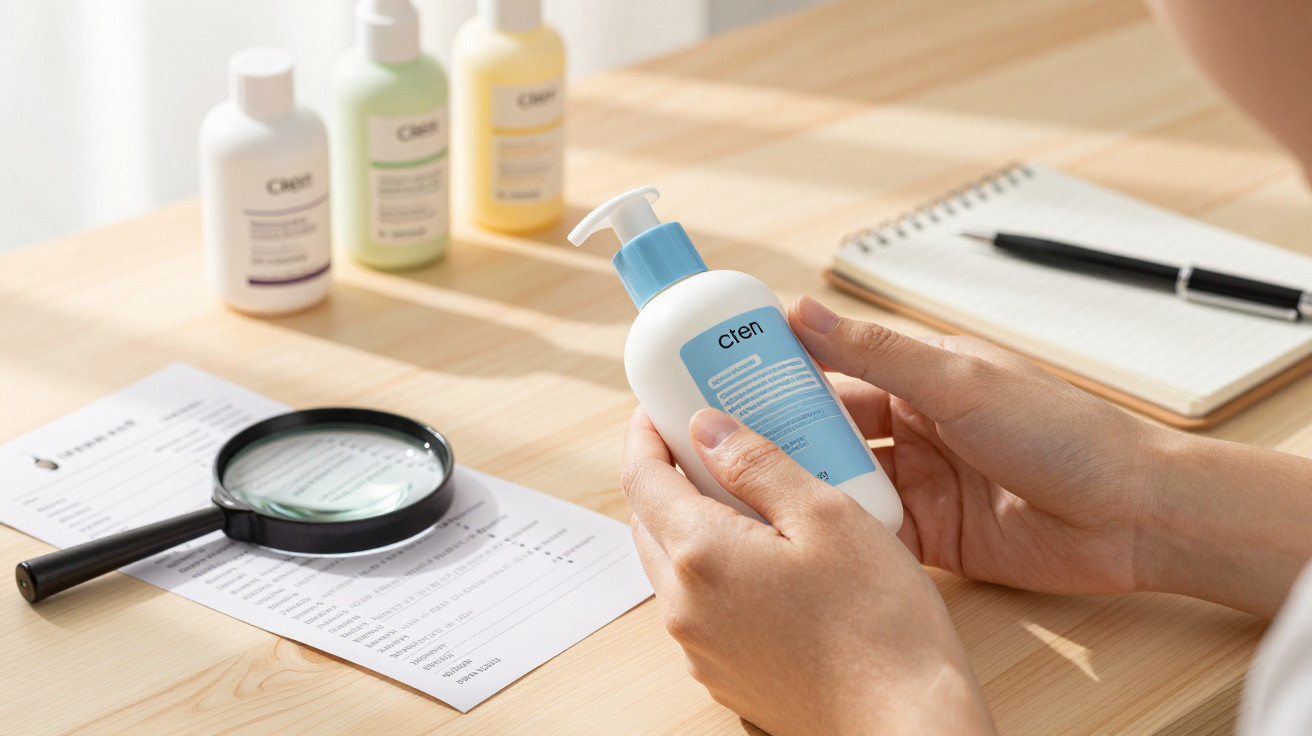
Anyone who still wants to try a collagen product despite these doubts should shop critically. A close look at the label often reveals more than the promotional claims on the front. Useful details include the exact amount per serving, the origin of the raw materials and other additions such as flavourings or vitamins.
If clear information is missing, or claims sound like “miracle results in just a few days”, scepticism is appropriate. Products promoted mainly through social media and supported by before-and-after photographs are no substitute for independent studies.
Ultimately, collagen plays a key role in the body, but neither a cream nor a powder can simply control this complex process at will. Those wishing to invest in younger-looking skin over the long term are more likely to benefit from sun protection, dietary changes and proven skincare – while avoiding the costly miracle product that ultimately does almost nothing.
















Comments
No comments yet. Be the first to comment!
Leave a Comment