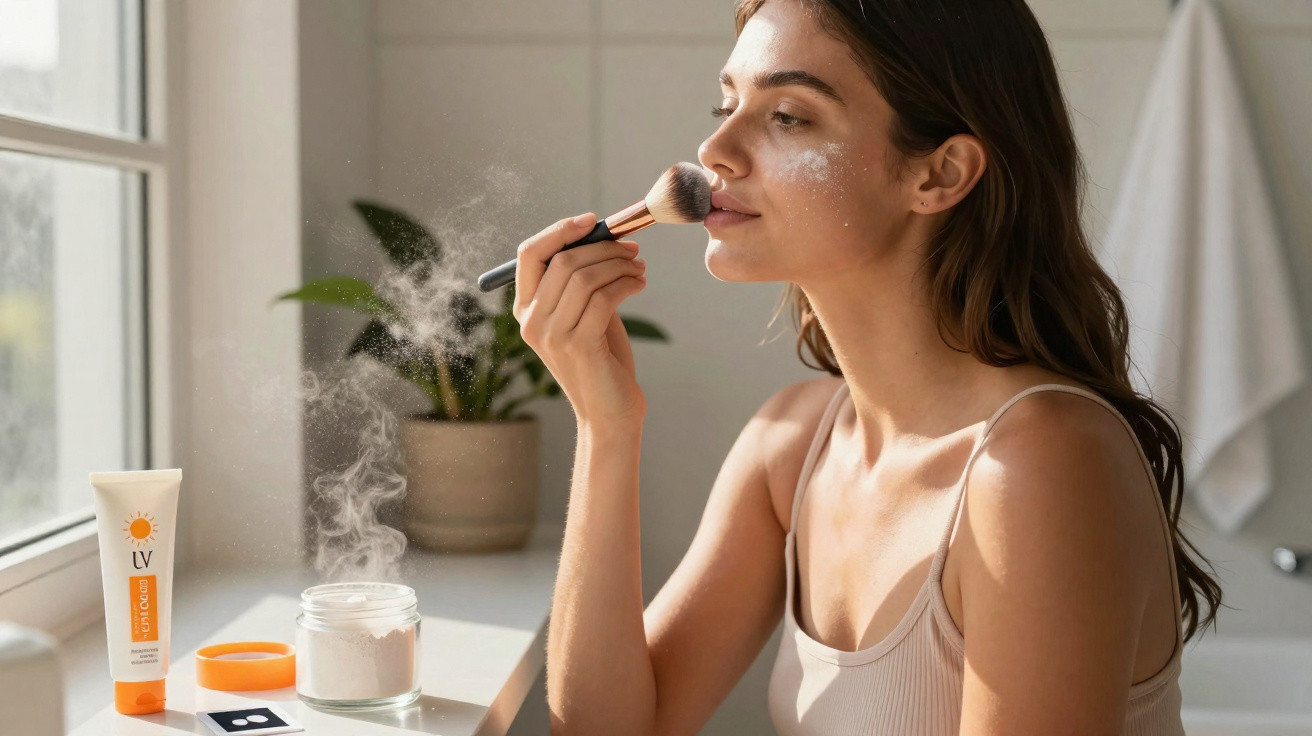
Social media, natural skincare forums and even dermatology circles are increasingly asking the same question: do we still need traditional sunscreen if a simple white powder can protect skin from the first rays of sunshine? This trend is not based on magic, but on a combination of familiar minerals, updated formulations and growing mistrust of certain ingredients in conventional products.
Why people are questioning conventional sunscreen
For years, dermatologists have warned about the effects of unprotected sun exposure: premature skin ageing, pigmentation marks and a greater risk of skin cancer. At the same time, concern is increasing around some chemical UV filters, which are suspected of affecting hormones or harming coral reefs.
- Many products come with long INCI ingredient lists that are difficult to understand.
- Certain filters have already been banned near coral reefs in some countries.
- Sensitive skin is more likely to react with redness or stinging.
There is also a very straightforward issue: many people dislike the familiar feel of sunscreen, which can be sticky, shiny and sometimes leave a white cast. This is exactly where the new enthusiasm for a “white protective powder” comes in, as it is said to be lighter, more comfortable and more environmentally friendly.
What the “white wonder powder” actually contains
At its heart, the powder is not magical at all. It is a new interpretation of mineral UV filters, particularly zinc oxide and titanium dioxide. These ingredients have long been used in dermatology, for example in barrier creams and products for highly sensitive skin.
Mineral powders sit on the skin’s surface like tiny mirrors, reflecting some UV radiation rather than converting it chemically.
The key point is that powders of this kind must be formulated to achieve a specific sun protection factor (SPF). Pure zinc oxide powder from a craft shop is not enough. Only products whose protective effect has been measured in laboratories using standardised methods can be described as scientifically validated.
Chemical and mineral filters: the basic principle
A brief look at the two main categories of UV filters helps put the powder into context:
| Type | How it works | Typical skin feel |
|---|---|---|
| Chemical filters | Absorb UV rays and convert them into heat | Usually lighter, often more “creamy” or fluid |
| Mineral filters | Reflect and scatter UV rays on the skin’s surface | More powdery, with a tendency to leave a white cast |
White protective powder clearly belongs to the second group. Its advantage is that it is finely milled, sometimes blended with nourishing plant oils, and processed so that it spreads more easily instead of looking like chalk.
How effectively does the powder protect against the first rays of sunshine?
Dermatological testing indicates that correctly formulated mineral powders can provide a measurable sun protection factor, particularly against UVB radiation, which causes sunburn. Some products achieve SPF 30 or more, provided that enough is applied.
Especially in spring, when skin is still pale after winter and the sun is lower in the sky, the demands are less intense than at a Mediterranean beach in high summer. For the “first rays”, many people only need lightweight, everyday protection for situations such as:
- Walks around town or in the park
- Cycling to work
- Short periods on a balcony or terrace
In these circumstances, a thoroughly tested mineral powder may be a practical option, particularly if it is already used as a make-up finishing product. Reapplying the powder several times during the day can keep the protection reasonably consistent.
The catch: protection depends on the amount applied
Scientists agree that the protection stated on the packaging only applies when enough product reaches the skin. For sunscreen, this is around two milligrams per square centimetre, which in everyday terms is a thicker layer than most people use.
When applying powder, many people use far too little - a light dusting for the complexion is not enough for serious UV protection.
Dermatologists therefore caution that anyone relying solely on powder should substantially increase the amount used, especially on the face and shoulders. Otherwise, it can create a misleading sense of security.
When white protective powder is useful - and when it is not
White protective powder offers distinct benefits, but it also has limitations. Understanding them makes it possible to use it purposefully without overestimating what it can do.
Suitable uses
- Everyday office life: Short journeys in the sun, sitting by a window or taking a lunch break outdoors.
- For make-up users: As the final step over a nourishing day cream, helping to reduce shine while providing some protection.
- Sensitive skin: A pure mineral powder may offer relief for people who react to chemical filters.
- Children prone to irritation: In consultation with a paediatrician or dermatologist, particularly for the face.
When conventional sunscreen remains essential
- Spending hours sunbathing at the beach or lake
- Mountain walks, water sports and strong midday sun
- Very fair skin with a high risk of sunburn
- Holidays in areas with particularly high UV radiation
For these conditions, specialists still recommend water-resistant products with a high SPF, applied generously over broad areas of skin and supported by clothing, a hat and sunglasses.
What “scientifically validated” really means
Many marketing claims use phrases such as “scientifically tested” or “supported by studies”. Ideally, this means:
- The SPF value has been measured in line with internationally recognised standards.
- UVA protection has also been tested and labelled.
- The formula has been assessed for tolerability, including on sensitive skin.
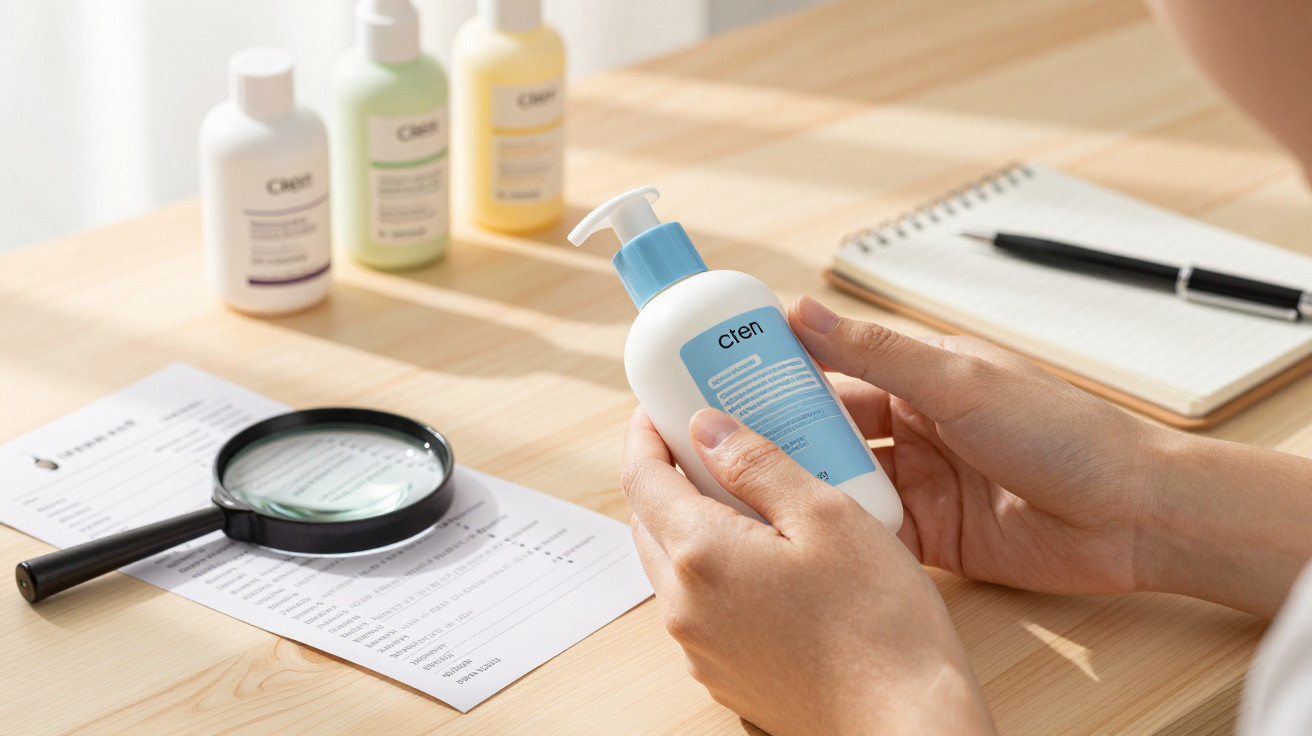
Unfortunately, some manufacturers use these descriptions rather freely. Those wanting greater certainty should look for clear SPF and UVA protection information, as well as possible dermatological certification and independent test reports.
“Scientifically validated” is not a protected term - specific figures and transparent tests matter, not simply advertising promises.
How to apply the powder correctly
To ensure that white powder is more than an attractive filter for selfies, it is worth following a careful routine.
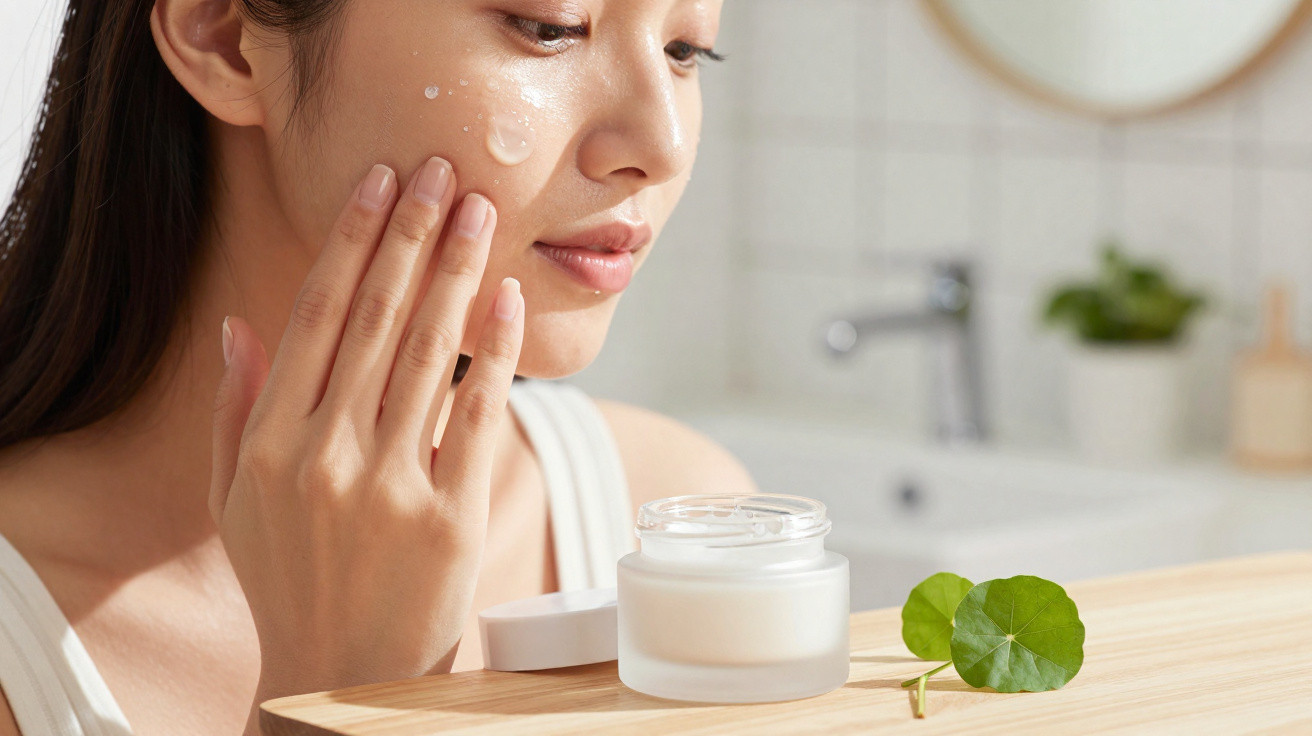
- Prepare the skin: Cleanse the face and apply a nourishing day cream or light serum.
- Wait: Allow it to absorb briefly, so the base is not too sticky.
- Build up the powder: Use a dense brush or sponge and apply layer by layer rather than sweeping on one light coat.
- Check the edges: Do not miss the hairline, ears, neck or bridge of the nose.
- Reapply: Top up every two to three hours, particularly after sweating or blotting with a tissue.
People who wear make-up gain an additional benefit: unlike many sunscreens, powder can be reapplied over foundation without smudging everything underneath.
Environmental and health considerations around mineral powders
Many supporters choose powder for environmental as well as skin-related reasons. Mineral filters are considered less problematic for waterways and marine organisms, especially where particular coatings are avoided. Some brands specifically highlight their reef-friendly formulations.
At the same time, nanoparticles continue to attract criticism. Research so far suggests that, when applied externally to intact skin, most particles do not penetrate deeply into the body. However, inhaling extremely fine powder dust remains a concern, especially with sprays. Specialists therefore advise against breathing in the product directly during facial application and recommend avoiding spray formats that create dense clouds.
Practical everyday examples
In daily life, many people combine powder with other protection measures. A typical spring routine could look like this:
- Morning: Apply a nourishing cream without SPF, then add a generous layer of mineral powder with declared sun protection.
- Midday: Put on a hat or cap, seek shade and reapply powder.
- Afternoon: If staying in the park for longer, switch to conventional sunscreen for the arms and décolletage, while continuing to use powder on the face.
For people who have previously rarely used sunscreen, powder can be an introduction to more conscious sun protection: it feels more familiar, fits easily into a make-up routine and seems less “medical”.
Anyone who already has sun damage, such as pigmentation marks or more pronounced fine lines, particularly benefits from stepping up protection as early as spring. Cosmetic treatments including peels or laser procedures make skin even more sensitive to light; dermatologists explicitly stress the need to protect it with reliable filters in these cases. Mineral powder can then be an additional option, but rarely a complete solution on its own.
Ultimately, a realistic perspective is useful: white protective powder is neither a miracle cure nor a sham. It is an interesting addition to the range of modern sun protection products, with clear advantages in certain situations - as long as its limits are understood, product claims are examined critically and, when in doubt, the old-fashioned tube is still used.















Comments
No comments yet. Be the first to comment!
Leave a Comment