
Balancing work, family, appointments and a reasonably well-groomed appearance soon makes one thing clear: washing your hair can feel like a project in its own right. Blow-drying, styling, finding the right time – and preferably not working up a sweat at the gym straight afterwards. Amid this organisational chaos, one product is coming into focus that has long been more than an emergency fix for festival weekends: dry shampoo. Modern versions for sensitive scalps in particular promise less stress, more time and a fresh feeling all the same.
When the to-do list puts your hair under stress
Hair is not merely about appearance; it is closely linked to how we feel. Sitting in a meeting with greasy roots often leaves people feeling self-conscious. At the same time, many simply do not have the time to wash, condition and style their hair every other day. With appointments, children, emails and errands already filling the mind, hair care quickly slips to the bottom of the list.
This is precisely where dry shampoo comes in. A few sprays, a brief massage and a brush-through can make the roots look noticeably fresher. It can postpone a full wash by a day or even longer. For people carrying a heavy “mental load” every day, this is not a luxury but a tangible source of relief.
“Fewer washes, less stress, less irritation – dry shampoo can become a mental break for both your scalp and your diary.”
Fresh hair in minutes rather than an hour
A traditional wash day can often involve thoroughly shampooing the hair, perhaps applying conditioner or a mask, towel-drying, blow-drying and styling. Depending on hair length, it can easily take 30 to 60 minutes. Anyone who needs to be in the office by eight in the morning and gets home late in the evening tends to put this task off until “later” – then becomes frustrated by flat, stringy-looking roots.
Dry shampoo bypasses that routine. Modern sprays absorb excess oil at the scalp without using water. The result is:
- Roots appear less greasy
- Hair feels more textured and fuller
- Styling often lasts better because the hair has more structure
- A complete wash can be delayed by one to two days
That frees up time and puts control of styling back in your hands. Whether there is an important meeting, a date or an impromptu dinner, reaching for a can of spray can save a great deal of hassle.
Sensitive scalp: not all dry shampoo is the same
Anyone living with psoriasis, eczema, dermatitis or a generally very sensitive scalp will know the issue: many products sting, itch or cause further dryness. For a long time, dry shampoo was therefore seen as a difficult option – handy, but potentially irritating.
Brands such as Batiste are now addressing this issue directly by launching specialist ranges for sensitive scalps. The focus is not solely on a fresh look, but also on suitability. Dermatologically tested formulas, a short ingredient list and soothing components such as aloe vera are intended to ensure that even sensitive hair roots can benefit from this quick-care option.
“Dry shampoo cannot replace conventional washing, but it can extend the intervals between washes – a benefit for stressed, sensitive scalps.”
What makes a dry shampoo “sensitive”?
Products designed for sensitive scalps generally follow a clear approach:
- A reduced number of ingredients
- Gentle formulas without harsh fragrances
- A fragrance-free option where available
- Ingredients with a soothing effect, such as aloe vera
- Dermatological testing and endorsements from skin-health alliances
The aim is to absorb oil at the roots without placing additional strain on the skin barrier. Those already prone to irritation benefit twice over: there is less mechanical stress from constant washing, alongside products that take sensitivity into account.
What users say about modern dry shampoos
In consumer studies, many users confirm that specially developed products work well even on sensitive scalps. In a sample of more than 150 participants, almost 94 per cent said that this type of dry shampoo was suitable for them. This suggests that reservations are understandable, but formulations have evolved considerably.
The combination of speed and tolerability is especially appealing to people with limited time. There is another advantage, too: washing less frequently with heavily foaming shampoos also reduces friction on the scalp. This can help preserve its natural protective layer and prevent irritation.
Where dry shampoo stands out in everyday life
Typical situations show why many people no longer want to be without it:
| Situation | Benefit of dry shampoo |
|---|---|
| Early meeting after a short night | Refreshes roots without having to get up earlier |
| Lunchtime exercise at the office | Helps hair look office-ready again quickly after a workout |
| Travelling with hand luggage | No complicated hair-washing routine needed at the hotel |
| Frequent heat styling | Extends washing intervals and reduces the need for blow-drying |
| Sensitive scalp | Fewer washes and less skin irritation |
How to use dry shampoo properly
The result depends entirely on correct application. Common mistakes can leave hair looking dull or create white residue. A few simple techniques will help you get more from it:
- Brush your hair thoroughly to remove any tangles.
- Shake the can well.
- Section the hair and spray the product onto the roots from around 20 centimetres away.
- Leave it for a few minutes so the powder can absorb oil.
- Gently massage it in with your fingertips, then brush it out thoroughly.
- Style as desired – often a loose plait or a voluminous ponytail is enough.
Those with very dark hair are best choosing versions that leave little residue or are specifically designed for darker shades. This avoids a “grey cast” at the roots.
How often is dry shampoo healthy to use?
Despite all its benefits, one point remains essential: dry shampoo is not a replacement for a thorough wash with water. These products absorb oil, but they do not fully remove dirt and styling residue. A sensible routine could look like this:
- Wash your hair as usual
- Use dry shampoo on the second or third day
- Cleanse again with water and shampoo after a few days at the latest
Using large amounts of dry shampoo every day can lead to product build-up. This may block pores on the scalp and cause itching. A mindful approach is particularly worthwhile for sensitive skin.
What sensitive scalps should pay particular attention to
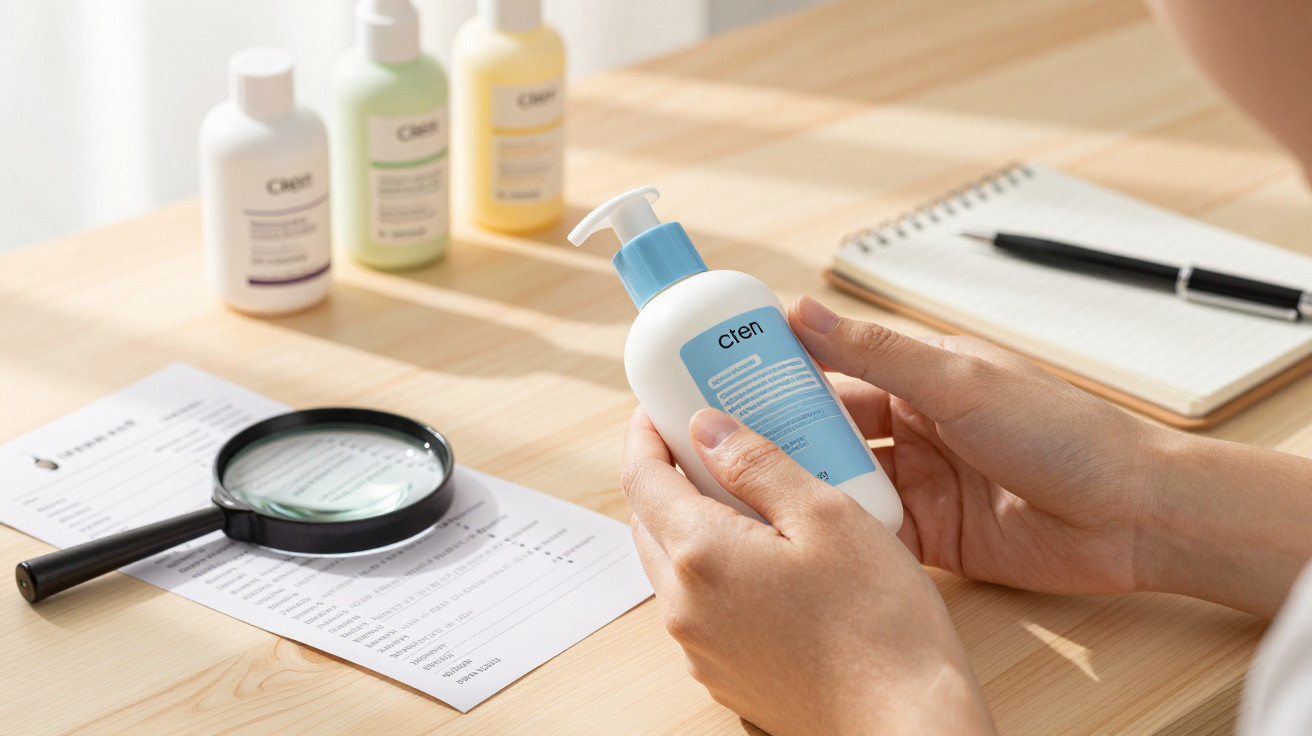
People with psoriasis, eczema or atopic dermatitis should introduce new products gradually. Ideally, test the product on a small area first to check whether any redness appears. Fragrance-free versions are often the better choice, as fragrances are among the most common triggers for irritation.
Anyone already receiving dermatological treatment should briefly discuss using dry shampoo with their doctor. In many cases, a mild spray fits well into a care routine, provided the scalp is cleansed regularly with gentle products.
More ease in everyday life through small beauty shortcuts
The dry shampoo trend illustrates how significantly lifestyles and care habits have changed. Rather than following rigid washing schedules, many people want flexible solutions that adapt to everyday life. A spray that creates volume in seconds, mattifies the roots and also respects a sensitive scalp fits this picture perfectly.
Anyone who combines their routine thoughtfully – for example, using a well-tolerated dry shampoo between washes and a mild shampoo for thorough cleansing – eases the burden on both scalp and schedule. This leaves more energy for what truly matters, while hair still looks fresh, light and well cared for.















Comments
No comments yet. Be the first to comment!
Leave a Comment