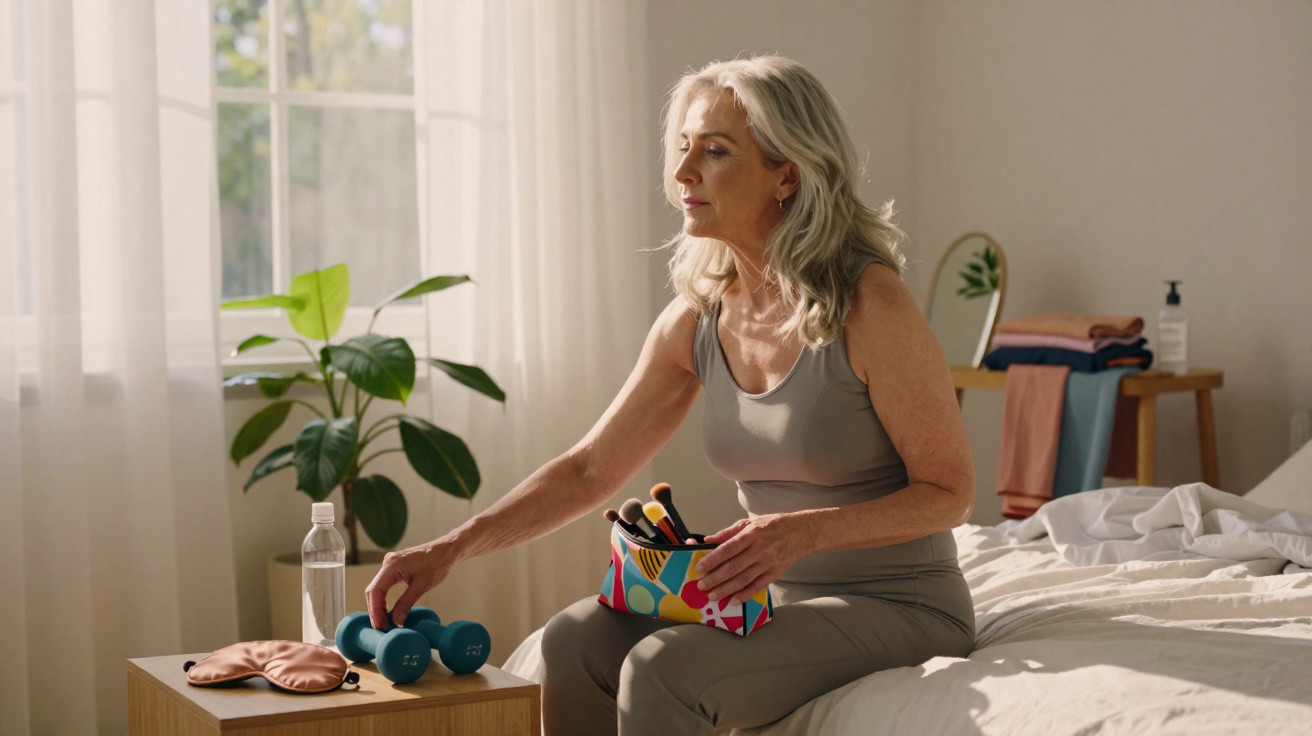
Many women aged 50 plus make a determined effort to remain attractive. New skincare products, treatments and diets abound. Yet experts increasingly caution that focusing almost exclusively on appearance can mean neglecting vital aspects of health and emotional balance. In later life especially, understated daily habits often matter more than the most expensive anti-ageing cream.
Beauty without foundations: when skincare becomes a distraction
The pressure to look “young” is immense. Social media, advertising and celebrity role models create standards that are scarcely realistic for anyone to achieve. In response, many women turn to more make-up, more elaborate outfits and a constant stream of new beauty trends.
“Attractiveness in later life is not created in the bathroom cabinet, but in everyday life – through the choices you make every day.”
Those who work mainly on the surface can easily overlook how substantially the body changes through the 40s, 50s and 60s. Hormones, muscle mass, sleep and stress levels all shift. When the last reserves of energy go into styling and cosmetics, the very building blocks that determine long-term quality of life are often left behind.
Self-care means more than face masks and manicures
A common misconception is: “I treat myself to a facial regularly, so I take good care of myself.” These indulgent moments can be enjoyable, but they are no substitute for a genuine self-care system.
Regular routines outperform occasional wellness breaks
Women who seem genuinely vital as they age usually follow established routines. Each morning, they do not debate whether to exercise, what to eat for breakfast or when to go to bed. Certain actions happen almost automatically – and that is precisely what guards against the familiar thought: “Oh, I’ll skip it today.”
- set times for exercise or walks
- a clear meal structure rather than continual dieting
- skincare carried out every day, rather than only before appointments
- small daily rituals that promote relaxation and mental calm
This is how habits develop that quietly yet effectively guide life in a healthier direction. They may not be spectacular, but they are sustainable.
Movement: the underestimated way to enhance beauty from within
Many women are more likely to spend money on figure-flattering clothes than on muscle and strength. Yet regular physical activity has a direct effect on presence, posture and facial features.
Why strength training becomes more important than ever with age
As people get older, the body loses muscle unless action is taken to prevent it. This can lead to looser skin, an unsteady gait and increased muscular tension. Targeted strength training – using dumbbells, resistance bands or bodyweight – counteracts this development.
Building stronger muscles delivers several benefits at once:
- improved posture, a more upright walk and greater self-confidence
- steadier joints and a lower risk of falls
- stimulated circulation, which is also reflected in the complexion
- a higher basal metabolic rate – useful when weight becomes more stubborn over the years
- a noticeable lift in mood from released chemical messengers
“For the body, a half-hour walk or a short workout is more valuable than any luxury cream.”
Anyone who does not feel at home in a gym can begin by climbing stairs, taking brisk walks, gardening and doing gentle exercises at home. Consistency matters, not having the perfect sports outfit.
Sleep: the most honest anti-ageing treatment
Many women get too little sleep in everyday life – through a sense of duty, worries or because another late-night episode seems more tempting than bed. The effects appear immediately in the mirror: dull skin, puffy eyes and downturned corners of the mouth.
Why the body repairs at night what we damage during the day
During sleep, the skin renews itself, hormones rebalance and the brain processes stress. People who consistently sleep too little are more likely to experience:
- increased wrinkles and reduced skin firmness
- stronger cravings for sweet and fatty foods
- irritability and a lower tolerance for stress
- reduced performance and less motivation to exercise
Women who place great importance on their appearance often underestimate this quiet influence. A sleep routine followed consistently, with fixed bedtimes, has a stronger long-term effect than any elaborate face mask.
Stress drains beauty – especially from the face
Persistent stress does not show only internally. A tense jaw, furrowed brow and shallow breathing all leave their mark as fine lines, blemishes or a permanently tired expression.
Simple techniques that genuinely fit everyday life
There is no need for esoteric rituals. Small, realistic approaches are far more effective:
- short breathing pauses before important appointments
- regular conversations with trusted people instead of coping with everything alone
- intentional phone-free periods, especially in the evening
- mini relaxation exercises that can be done in five minutes
“Anyone who notices their stress early and takes it seriously protects not only their heart and nerves, but also their complexion and facial expression.”
Women who learn to respond early to warning signs often appear calmer and more present – something that is difficult to create with make-up, yet clearly perceptible.
Skincare: consistency is better than constantly trying new products
The cosmetics market depends on something “revolutionary” appearing all the time. As a result, many women continually test new products, mix formulas and irritate their skin unnecessarily. The outcome can be irritation, redness and sensitivities.
Fewer experiments, more reliability
A simple, dependable routine usually produces better results than a colourful mixture of products:
- gentle cleansing – morning and evening
- moisturiser suited to the skin type
- consistent sun protection, including on cloudy days
Taking these three steps seriously creates the foundation. Special serums or treatments can then be added purposefully, instead of frantically addressing problems caused by over-treating the skin.
Nutrition: energy rather than permanent dieting
Many mature women have spent decades caught in a cycle of diets, restriction and frustration. Their attention is fixed on the number on the scales rather than stability and nutrients. This takes its toll through fluctuating blood sugar, tiredness, thinning skin and brittle hair.
What the body really needs after 50
The body becomes more sensitive, tolerates extremes less well and needs dependable sources of energy. Particularly important are:
- sufficient protein for muscles, skin and hair
- fibre from vegetables, wholegrains and pulses to support digestion and metabolism
- enough water to nourish cells and reduce tiredness
- moderate portions rather than radical prohibitions
“A balanced meal gives more radiance than a spontaneous ‘miracle detox’ at the weekend.”
Those who avoid crash diets and instead prioritise regularity generally find that their energy lasts longer, cravings ease and their body feels more stable overall.
Inner attitude: acceptance is more attractive than any filter
One key aspect that many people underestimate is their own view of ageing. Anyone who sees every new wrinkle as a personal defeat will appear tense and constrained. Women who accept change as part of their life story often project a different, calmer kind of attractiveness.
Self-worth instead of self-optimisation
The question is: do I care for myself out of appreciation for who I am, or from fear of no longer being good enough? This inner stance shapes every action, from reaching for face cream to deciding to go to bed early.
Psychologists emphasise that stable self-worth:
- reduces the pressure to manage everything through outward appearance
- makes criticism from others less hurtful
- encourages the courage to seek help – medical or therapeutic, for example
- increases willingness to invest in genuine preventive healthcare
People who do not fight their age but shape it responsibly often seem more authentic – a quality many around them describe as “a special radiance”.
Small choices, major effects in everyday life
Ultimately, this is less about extreme deprivation plans than about many small, practical actions. A brief look at a typical day quickly reveals where priorities have become misplaced: is more time spent on elaborate styling than on a nourishing breakfast? Do hours disappear on the phone while exercise and sleep suffer?
A straightforward starting point is to change just one thing: for instance, add a short strength programme three times a week or consistently move bedtime forward by 30 minutes. Once someone notices the difference this makes to their energy, mood and complexion, they will often naturally want to make further adjustments.
The perspective gradually shifts away from “How can I conceal signs of ageing?” towards “How can I support my body through this stage of life?” That is where attractiveness and health in later life suddenly work hand in hand – and skincare products return to what they should be: pleasant companions, not a final lifeline.

















Comments
No comments yet. Be the first to comment!
Leave a Comment