
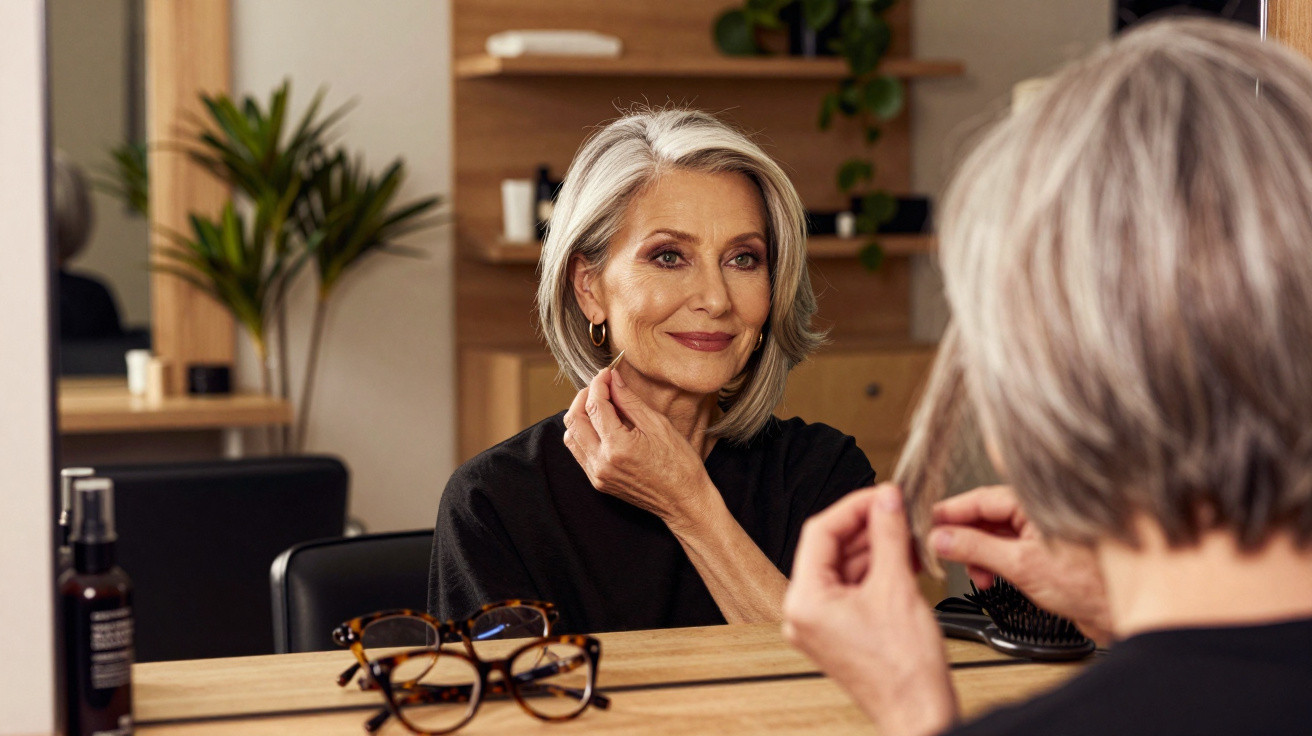
A light flurry of snapped hairs lands on her black jumper. Beyond the window, the city is locked in frost, bright and spotless under the cold light. In the bathroom, however, the atmosphere feels unforgiving: the fluorescent light is too sharp, and every single strand seems exposed.
She passes her fingers through her hair once, twice, then a third time, only to “check”. When a few more hairs catch between her fingers, her throat tightens. Her shampoo and routine have not changed, but her ponytail seems less substantial. The heated rails in the hall buzz, the radiator clicks, and her scalp has a slight dry sting.
She unlocks her phone and enters: “winter hair loss normal??” Within seconds, search suggestions cover the screen, as though everyone else is privately typing the very same question. Then one small detail shifts the whole picture.
Why winter makes your hair freak out
Hair loss almost always feels personal. You notice it on the pillow, around the plughole and caught on your scarf, and it never appears to be “a normal amount”. Winter simply adds fuel to that underlying worry: dry outdoor air, overheated indoor spaces, and hats rubbing against the same vulnerable spots every day.
The scalp is usually the first area affected. It may feel tight or itchy, and can become mildly red without drawing much attention. The hair then begins to reveal the consequences: increased breakage, flat roots and ends that split rather than fall smoothly. You do not suddenly wake up bald, naturally. Instead, there is a persistent sense that your hair is becoming less full each week.
Take a look around the train during a cold Monday commute. You will see beanies, untidy buns and tight low ponytails tucked beneath padded hoods. That repeated friction, combined with changing temperatures and reduced sunlight, quietly creates the conditions for seasonal shedding. Dermatologists frequently report more consultations between late autumn and late winter. Some research indicates that we may naturally shed slightly more hair from September to November, and again after periods of intense stress.
Then there is the winter lifestyle mix: hotter showers, less time outdoors and fewer vitamins from seasonal fruit and vegetables. People often snack more, exercise less, and go to sleep with wet hair because the bathroom is too chilly to wait for it to dry. Separately, these habits may seem harmless; collectively, they can make the hair cycle more fragile. The body keeps track of it all.
Hair has three principal stages: growth, transition and rest. Every follicle follows its own small cycle, with around 10% in a resting stage at any one time. If the balance changes and more follicles enter the shedding stage, that feeling of hair loss follows. Winter stress, scalp dryness, micro-inflammation and nutritional shortfalls can all move the cycle in an unhelpful direction.
This is why the usual level of shedding can look much worse in January. It is not only about what comes out; it is also about what fails to return as thick or glossy. The aim is therefore not to have no hairs in your brush - that is impossible - but to maintain a scalp and routine that support a stable cycle when temperatures fall.
Habit 1: Feed your hair from the inside (even on lazy days)
Healthy hair in winter begins in the kitchen, long before any product reaches the bathroom shelf. The follicles in your scalp are small living organs, requiring energy, protein, iron, zinc, vitamin D and B vitamins to remain in growth mode. If the body does not receive enough, it gives priority to the heart, brain and essential functions. Hair is regarded more like a luxury accessory.
That is why January crash diets and prolonged “soup cleanses” often make themselves known on your head first. Comfort food can still have a place, but a few dependable habits can genuinely help. Try to include a proper protein source with every meal: eggs, fish, lean meat, tofu or lentils. Add healthy fats too, which can support shinier hair: olive oil, nuts, seeds and avocado. Focus on warm, proper food rather than only ultra-processed vending-machine snacks.
Imagine leaving work when it is already dark, rain is blowing sideways, and all you want is Netflix and something quick. On evenings like this, the most convenient option can also be the least helpful for hair over time: frozen pizza, a sugary pudding and nothing fresh. Now picture a small adjustment to that same evening. Keep the pizza, but include a quick lentil salad, or a handful of walnuts and a clementine.
It may sound minor, even slightly absurd. But these small nutrients, repeated throughout the winter, affect the quality of the raw material from which hair is formed. Studies associate iron deficiency, low vitamin D and insufficient protein with greater diffuse shedding, particularly among women. Many people only realise they had low levels after months of unexplained hair loss.
Let’s be honest: nobody truly manages this every day. No one eats perfectly balanced six-colour bowls at every meal, especially in February when everyone is tired and the fridge is nearly empty. The goal is not perfection but progress. When most winter meals include some protein, healthy fats and plants, follicles receive what they need.
Treat your hair as a three-month project. The hairs shedding today began their journey well before this morning’s breakfast. Every modest improvement made this week - an omelette rather than toast alone, salmon instead of charcuterie, or a vitamin D supplement if you live in an area with little sunlight - is a quiet investment in how your hair may look when spring arrives.
Habit 2: Turn your shower into a scalp spa (without buying half the store)
If winter hair loss could use a loudspeaker, its message would be “Start at the roots”. Your scalp is skin, complete with its own microbiome, immune cells and oil balance. When central heating dries it out or harsh shampoos cause a reaction, follicles are affected. The encouraging part is that a straightforward, gentle routine can achieve more than the most expensive styling product.
Begin by turning the water temperature down slightly. Very hot showers feel wonderful when you are freezing, but they remove natural oils, leave the scalp feeling tight and make the ends more brittle. While shampooing, massage your scalp with your fingertips for one or two minutes, particularly where thinning seems more noticeable. This encourages blood flow, helps lift build-up and gives the follicles a small mechanical stimulation.
On difficult hair days, most people blame the lengths: they are too frizzy, too flat or too greasy. Yet one winter evening, a French dermatologist gave a patient advice that permanently changed her routine: “You don’t have hair problems. You have scalp problems.” A quick examination revealed micro-flakes, irritation behind the ears and marked sensitivity along the hairline caused by tight ponytails and dry air.
He did not prescribe a miracle serum. He advised an anti-inflammatory, fragrance-free shampoo twice weekly, lukewarm water and one gentle exfoliating treatment each month to clear dead skin cells. After six weeks, shedding had reduced and her hair appeared fuller simply because the roots were calmer and more securely anchored. There was nothing “viral” about it, only consistent, unexciting care.
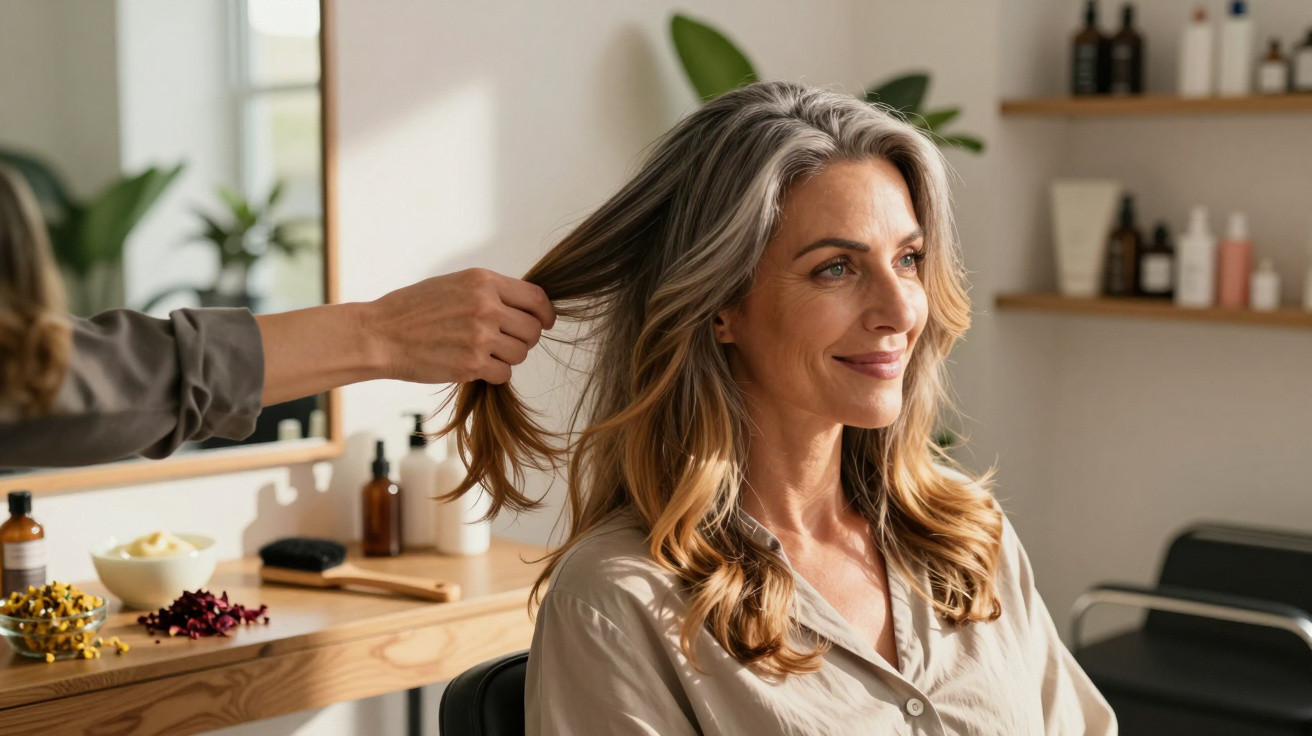
Scalp care is skipped altogether by many people. They work shampoo into the ends, rinse quickly, then load the lengths with heavy masks. This leaves hair weighed down while the real area of concern - the follicles - receives no attention. A change in logic helps: care for the scalp, then give the ends light protection. Apply conditioner or a mask only from the mid-lengths down, especially if your roots become oily.
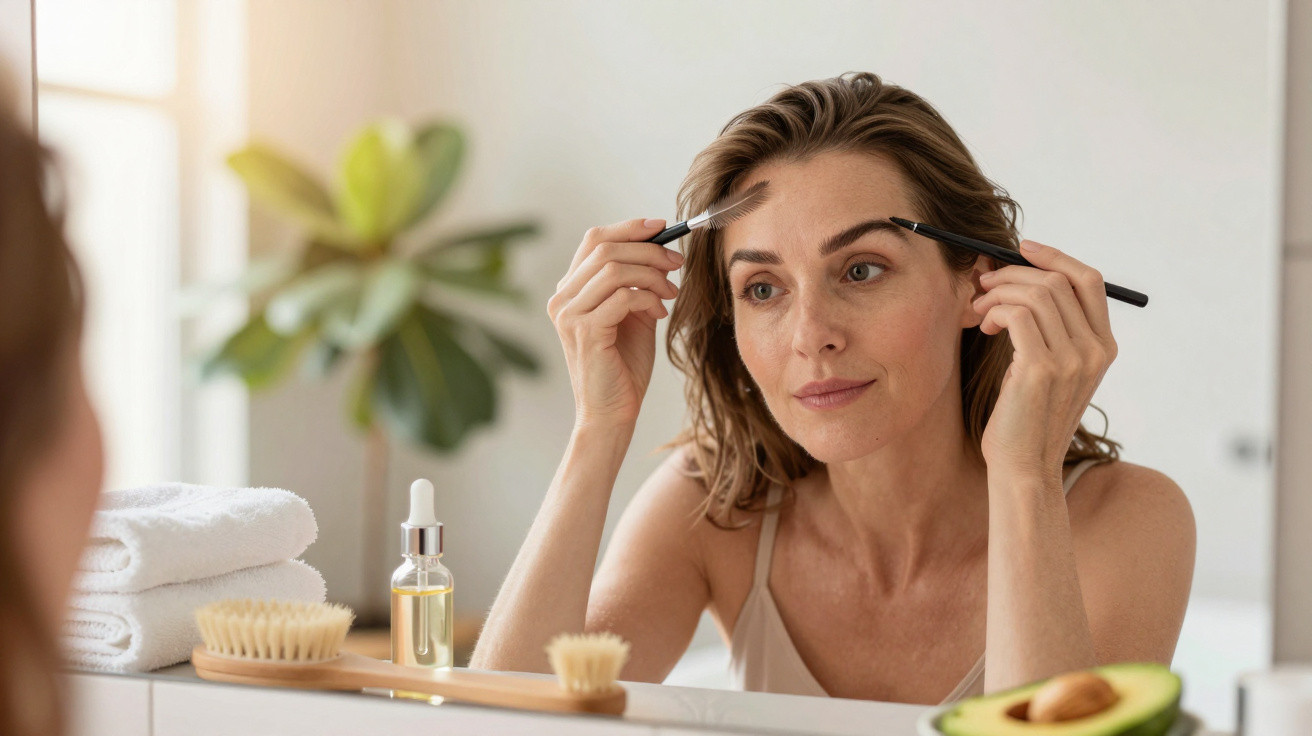
For some people, an oil massage before shampooing is particularly beneficial: massage a few drops of argan, jojoba or a specialist scalp oil in for five minutes, then wash it out with a mild shampoo. It is not magic, but throughout winter it can often transform a dull, irritated scalp into a softer, more flexible foundation for growth. That is precisely what thinning hair needs.
Habit 3: Protect hair like you protect your skin from the cold
When the temperature drops sharply, we instinctively reach for a scarf, gloves and a thick coat. Hair seldom receives the same consideration. Yet cold air, icy winds and ongoing contact with wool or synthetic materials can be as harsh on strands as dry air is on hands.
The central principle is to limit mechanical damage. Whenever hair scrapes against a rough collar, scarf or the inside of a coat, the cuticle - its small protective outer layer - lifts a little. Over several weeks, this can lead to split ends and breakage through the lengths, which may be mistaken for “hair loss”. What appears to be shedding may actually be snapping.
Winter hats bring another complication. They provide warmth, but close-fitting styles tug at the same places, including the temples and crown, and can break delicate hairs. Avoiding hats altogether is not the answer, especially for anyone sensitive to cold. Instead, choose softer materials - cashmere or cotton blends rather than scratchy pure wool - and avoid flattening the same hair part every day.
One hairdresser gives almost all her winter clients this advice: “Rotate your hairstyle like you rotate your sweaters.” Try a low ponytail one day, a loose braid beneath your coat the next, then tuck your hair into your scarf without an elastic. Switching where tension falls prevents the same follicles from being stressed week after week.
She also recommends an almost invisible everyday hero: silk or satin. It is useful not only for pillowcases, but also as a fine lining inside hats or around close collars. Wearing a simple wrap or headband beneath your beanie can dramatically reduce friction. Hair slides rather than catches, meaning fewer snapped pieces when you hurriedly take it off at a café or in the office.
Small acts of protection make a difference here. Before going outside, use a lightweight leave-in conditioner or protective spray through the lengths; it works like a winter coat for the hair fibre. Dry, staticky strands settle down, and brushing becomes less aggressive. There is no need for a full “glass hair” routine - only a light barrier against wind, heating and static.
“Hair doesn’t like extremes,” says Dr. L., a trichologist who sees an uptick in winter consults every year. “Extreme heat, extreme cold, extreme tightness. The more you soften the environment around the fibre and the follicle, the more stable the hair cycle stays.”
Consider it a winter survival kit for your hair:
- Choose a softer, looser hat, or add a silk/satin lining
- Vary your hairstyle regularly to prevent repeated tension points
- Put a light leave-in product or oil through mid-lengths before going out
- Detangle gently from the ends towards the roots when you return home
- Have dry ends trimmed at the beginning of winter to limit breakage
Habit 4: Respect the sleep–stress–sunlight triangle
Beyond food and products, hair quietly reflects the way you live. Poor sleep, ongoing stress and too little natural daylight can all keep the body in a low-level state of alert. When this continues for months, hair can shift from being a priority project to operating in energy-saving mode. Growth decreases and shedding increases.
Winter makes this especially challenging. There are shorter days, festive social pressures, deadlines, family tensions and the particular grey fatigue that can settle over you in February. Many people stay up later, scroll more and move less. The nervous system remains active when the body should be repairing itself. Hair growth forms part of that repair process.
Research links high, long-term stress to a type of hair loss known as telogen effluvium, in which an increased number of follicles move together into the resting stage and then into shedding. The result is delayed: hair may begin falling more three to six months after a major stressful period. This is why a difficult autumn can emerge as greater hair loss in the depths of winter.
Small, achievable actions can reduce the effect. Even a 10-minute lunchtime walk outdoors can help reset the circadian rhythm and increase vitamin D exposure. A basic bedtime ritual - reading rather than scrolling, a warm herbal tea or a few slow breaths - signals to the body that it is time to rebuild. Your hair is listening quietly from the root.
Habit 5: Choose treatments like a journalist, not a dreamer
When faced with winter shedding, buying everything is highly tempting. There are serums, gummies and shampoos promising the hair of an advert within 15 days. Shelves are packed with bold claims and small-print disclaimers. It is easy to spend time and money, only to keep watching the plughole with anxiety.
This is where the mindset of an investigative journalist is useful. Who made the product? Is there at least some scientific evidence for the main ingredient? Does it promise a plausible benefit - stronger fibre or reduced breakage - or impossible “new growth in 10 days”?
Some options have stronger evidence behind them: topical minoxidil for androgenetic hair loss, certain dermatological lotions, and iron or vitamin D supplements where blood tests identify deficiencies. Professional anti-hair-loss treatments may help prolong the growth stage for some people, particularly when used early alongside lifestyle changes.
By contrast, many “detox shampoos”, random supplements and miracle sprays do little beyond reducing your bank balance. One useful filter is this: does the claim respect the pace of biology? Hair grows by roughly one centimetre each month. A product that talks in hours or days is selling fantasy rather than follicles.
A further sign is that genuine experts are usually restrained. They speak of “helping to reduce shedding”, “supporting hair density” or “creating a favourable environment”, rather than guaranteeing a complete transformation at record speed. When in doubt, ask for a professional opinion - from a dermatologist, trichologist or at least a hairdresser experienced in working with thinning hair.
A straightforward blood test may tell you more about winter hair loss than ten influencer videos: ferritin, which measures iron stores; vitamin D; B12; and thyroid function. After clear deficiencies have been addressed, the most effective “treatment” is often sustained consistency with the previous four habits.
What these 5 habits change for your hair – and for you
Following these habits will not prevent every single hair from shedding. Expecting that would be like asking autumn trees to keep all their leaves. Hair has its own seasons, cycles and quiet decisions. What can shift is the overall direction: less fear and a better conversation with your body.
When you eat as if your follicles matter, turn showering into a brief scalp spa instead of a rushed task, and let your hat and pillow protect rather than damage, winter hair drama becomes less intense. You begin to spot different signs: calmer-feeling roots, lengths that withstand brushing, and a small shine catching the light on a clear, cold morning.
Something else changes as well. Looking after hair in winter can encourage a different kind of self-care. The additional five minutes spent massaging, the early night you finally take, or the choice not to purchase a tenth pointless serum all convey the same message: I am no longer at war with my body. On a bad day, that can feel like a small victory.
On a good day, it becomes more than that. Before heading into the cold, you look in the mirror and your hair may not be “perfect”, but it feels like your own again. There is less anxiety when cleaning the brush and less self-criticism at the sight of a few hairs on the basin. That quiet confidence, carried beneath your coat and hat, often appears long before your next haircut.
| Key point | Detail | Benefit for the reader |
|---|---|---|
| Nourish the follicles | Protein, iron, vitamin D and healthy fats every day | Helps limit diffuse shedding and supports winter regrowth |
| Protect the scalp and fibre | Lukewarm showers, massage, gentle products, and controlled hats and friction | Reduces breakage, irritation and the impression that hair is becoming “thinner” |
| Respect the body’s rhythm | Sleep, stress management, natural light and credible treatment choices | Stabilises the hair cycle and helps create a calmer relationship with your hair |






Comments
No comments yet. Be the first to comment!
Leave a Comment