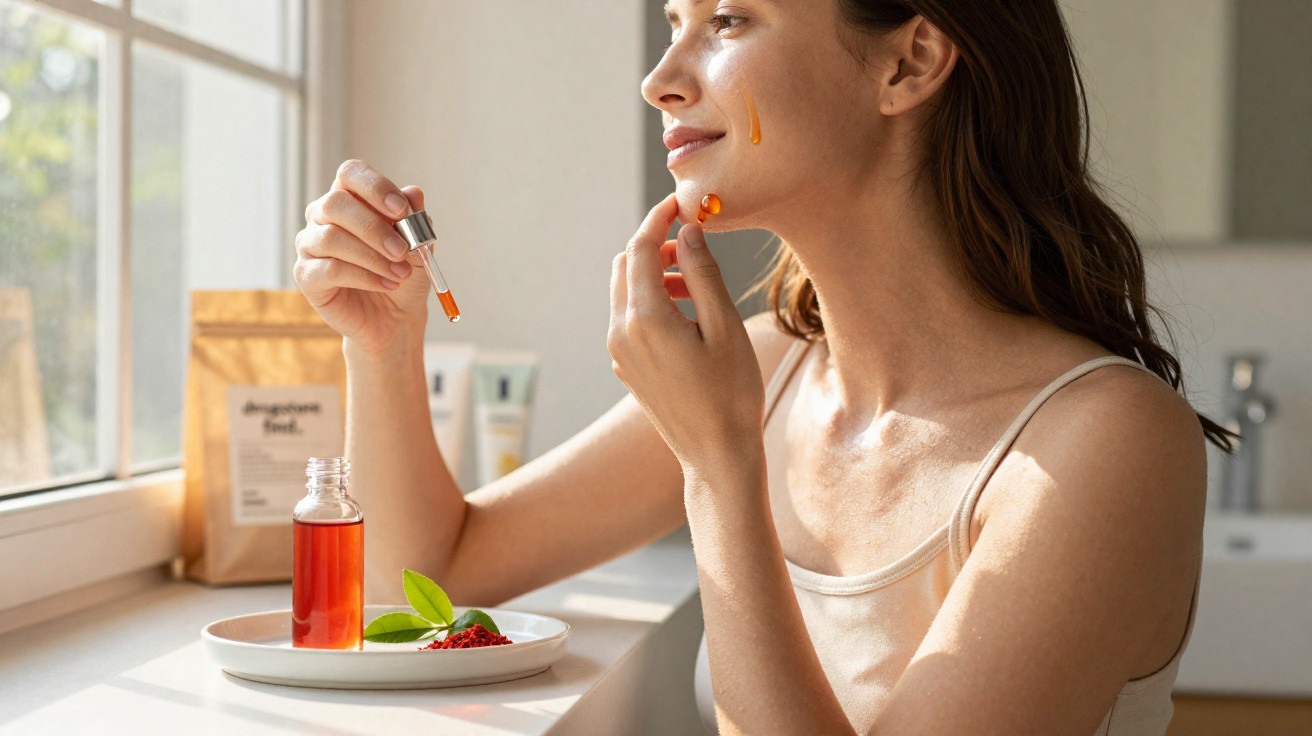
An unassuming anti-ageing serum is currently generating interest in German pharmacies.
Many bathroom cabinets contain expensive jars that are barely ever used. At the same time, attention is turning to a product that looks rather understated but stands out through its concentrated blend of active ingredients and a price below €10: Weleda Astaxanthin Serum Drops. Already regarded in France as an insider tip for early wrinkles, it is now attracting attention here too.
Why choose a serum – and what makes it so appealing?
Serums are now widely considered the centrepiece of modern facial skincare. They have a lighter consistency than creams, deliver a significantly higher concentration of active ingredients and can be fitted easily into any routine. This is precisely the principle behind Weleda Astaxanthin Serum Drops.
The concept is straightforward: a few drops are intended to noticeably boost an existing skincare product. There are two ways to apply it:
- apply it directly to cleansed skin
- mix it straight into your usual day or night cream
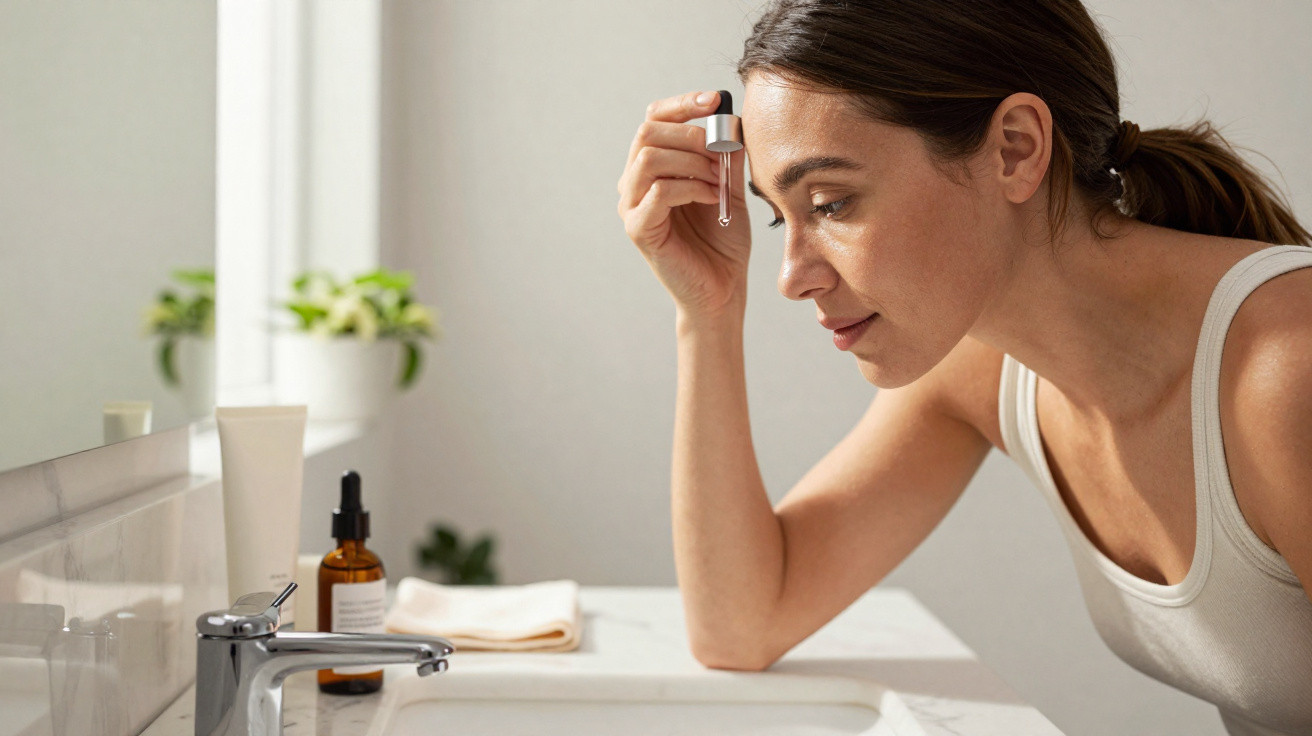
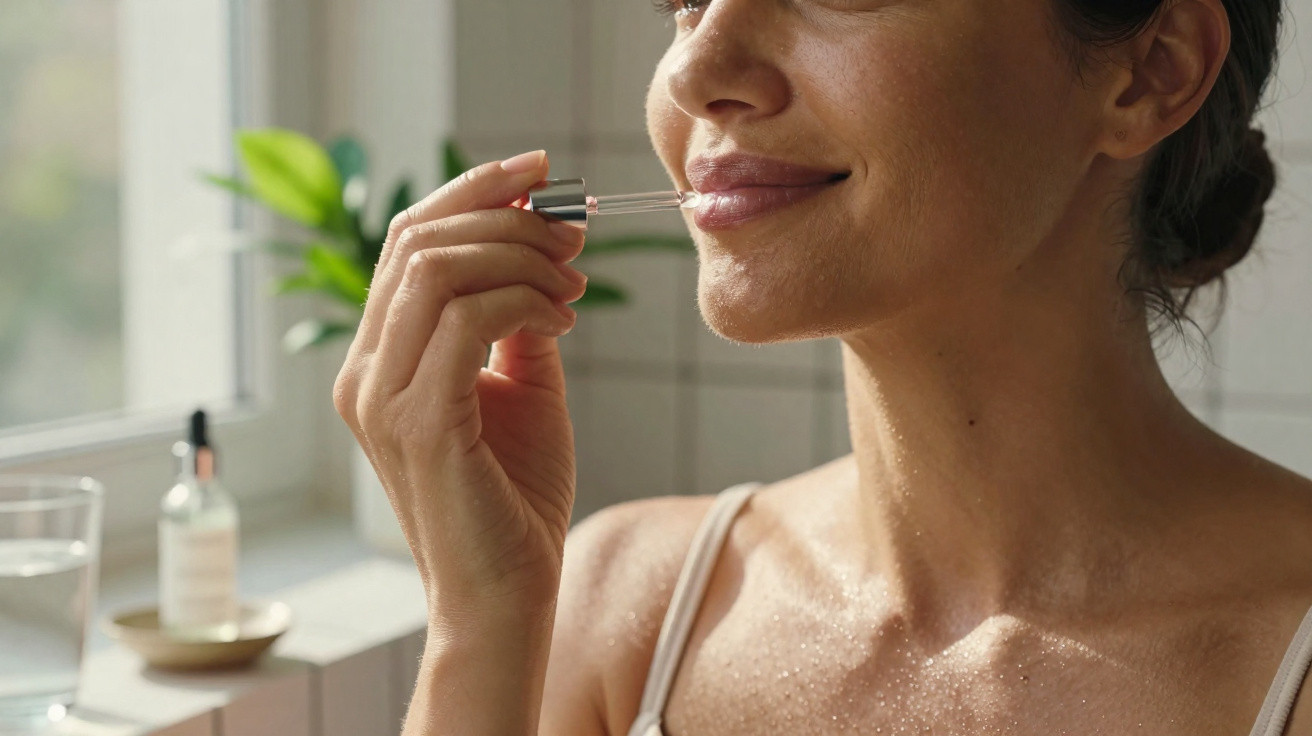
Users can adjust the amount according to their skin’s condition. The application guidance recommends placing two to three drops in the palm of the hand, then either gently working them into the face, neck and décolletage or combining them with cream.
“The serum’s strength lies in its role as an additional step: it does not replace skincare, but enhances its effect.”
This makes it an accessible introduction to anti-ageing active ingredients for anyone who does not want to overhaul their routine completely. There is no ten-step beauty ritual or complicated skincare schedule – just a small addition intended to make existing products work more efficiently.
Astaxanthin and white tea: the active ingredients behind the formula
What sets this serum apart is the antioxidants contained in its orange-coloured drops. Weleda combines astaxanthin with white tea extracts, two ingredients that have become increasingly important in skincare in recent years.
Astaxanthin: a red pigment with a major anti-ageing effect
Astaxanthin is a red-orange carotenoid found in algae, salmon and krill, for example. It is among the most powerful naturally occurring antioxidants known. In cosmetics, it is primarily intended to do one thing: protect against so-called free radicals.
Free radicals can be produced by UV radiation, air pollution, stress and smoking, among other factors. When they affect skin cells, they may attack their structures, weaken collagen and therefore speed up fine lines and loss of elasticity.
Astaxanthin works by neutralising these aggressive molecules. In this way, it is intended to help the skin remain smoother, plumper and more resilient for longer. Studies suggest that astaxanthin may in particular:
- visibly soften fine lines
- make the complexion appear more even
- support the skin barrier in everyday life
White tea as a shield against environmental stress
The second key ingredient, white tea, is considered an especially mild and valuable variety of tea. It contains high levels of polyphenols, plant-based protective compounds that also provide antioxidant benefits.
In facial skincare, white tea can help the skin defend itself more effectively against external influences such as exhaust fumes, air-conditioned air and temperature changes. Combined with astaxanthin, it creates a pairing intended to prevent premature signs of ageing rather than “magically erase” them with aggressive ingredients.
“The formula is aimed less at radical overnight change and more at ongoing everyday protection.”
A heritage brand rather than a trend label: the story behind Weleda
Weleda is one of the pioneers of natural cosmetics. The company has existed since 1921 and has always focused on formulations containing a high proportion of naturally derived ingredients. From baby cream to body oil, many of its products have long held cult status in German bathrooms.
The brand’s laboratories develop skincare ranges for the face, body and specific life stages, including pregnancy and the baby years. One consistent principle is the use of formulas that are as nature-based as possible and assessed by independent bodies.
The Astaxanthin Serum sits within this approach and carries the NATRUE seal. This label identifies natural and organic cosmetics, assessing, among other things:
- the proportion of natural raw materials
- the exclusion of certain synthetic fragrances and colourants
- transparent ingredient declarations
For consumers seeking skincare with a more “clean” feel, this certification may be an important point of reference.
Priced below €10: can something so affordable really work?
Within the anti-ageing serum category, prices of €40, €80 or even €120 per bottle are not unusual. Against that backdrop, a 30 ml serum priced at €9.44 can seem almost suspiciously inexpensive.
Weleda has deliberately positioned the product in an accessible price bracket. Costs are kept low while its central selling points – natural cosmetics, concentrated antioxidants and flexible application – remain in place.
“This very balance between a nature-focused formula and a moderate price is likely why the serum is currently attracting so much attention.”
For consumers, this means a relatively small financial risk when finding out whether astaxanthin genuinely suits their skin. It is particularly appealing to people who have so far been hesitant to invest in costly active-ingredient skincare.
How skincare fans can sensibly use the serum every day
Anyone wanting to try the serum should introduce it gradually. Natural ingredients can also cause reactions in sensitive skin. A simple approach could look like this:
- In the evening, apply two drops to the face and neck after cleansing.
- Gently pat it in, then follow with your usual night cream.
- Restrict use to three or four times a week during the first few days.
- If it is well tolerated, increase use – it can also be applied in the morning.
Daytime use should always be followed by sun protection, particularly when anti-ageing skincare is involved. Antioxidants and UV protection complement one another: one neutralises free radicals, while the other limits their formation through radiation.
Is the serum suitable for every skin type?
Weleda has formulated its Astaxanthin Serum to work with a range of skin types, from normal and dry to combination and mature skin. Its lightweight texture makes layering beneath, or mixing with, other products easier.
Even so, people with very sensitive or reactive skin should first test new products on a small area. Those prone to rosacea, severe redness or allergies should ideally ask a dermatologist whether this type of antioxidant serum is suitable.
Anti-ageing knowledge: what antioxidants really do in skincare
Many terms from the skincare world circulate daily on social media but are rarely explained. Antioxidants are one such term. Put simply, they act like “rust protection” for the skin, shielding fats, proteins and cellular structures from damage caused by free radicals.
In practical terms, this may mean:
- Fine lines develop more slowly or appear less pronounced.
- The complexion looks fresher and less dull.
- Redness and irritation occur less often because the skin barrier remains more stable.
Astaxanthin belongs to the same group as other familiar antioxidants, including vitamin C, vitamin E and polyphenols from plant extracts. Many skincare professionals now favour combinations of these active ingredients to address different areas of concern.
Anyone already using a vitamin C product can add an astaxanthin serum rather than replacing it. The key is not to overwhelm the skin with too many new serums at once.
The limits of the “wonder ingredient”
As impressive as astaxanthin may appear in the laboratory, this serum cannot replace a time machine. Deep wrinkles, significant sun damage and pronounced pigmentation issues will not disappear with a few drops of skincare.
A more realistic outcome is this: with regular use, the complexion may appear more even and less tired, while reacting more calmly to stress factors such as centrally heated or summer air. Fine dehydration lines can look smoother because the skin’s overall structure becomes more stable.
“Those who view the serum as a long-term investment in skin health rather than an instant filter are most likely to be satisfied.”
Even the best antioxidant serum has limited effect without a solid foundation. Adequate moisturising, gentle cleansing and daily sun protection form the basis. Active-ingredient products such as this one can only deliver their full benefits on top of that routine.







Comments
No comments yet. Be the first to comment!
Leave a Comment