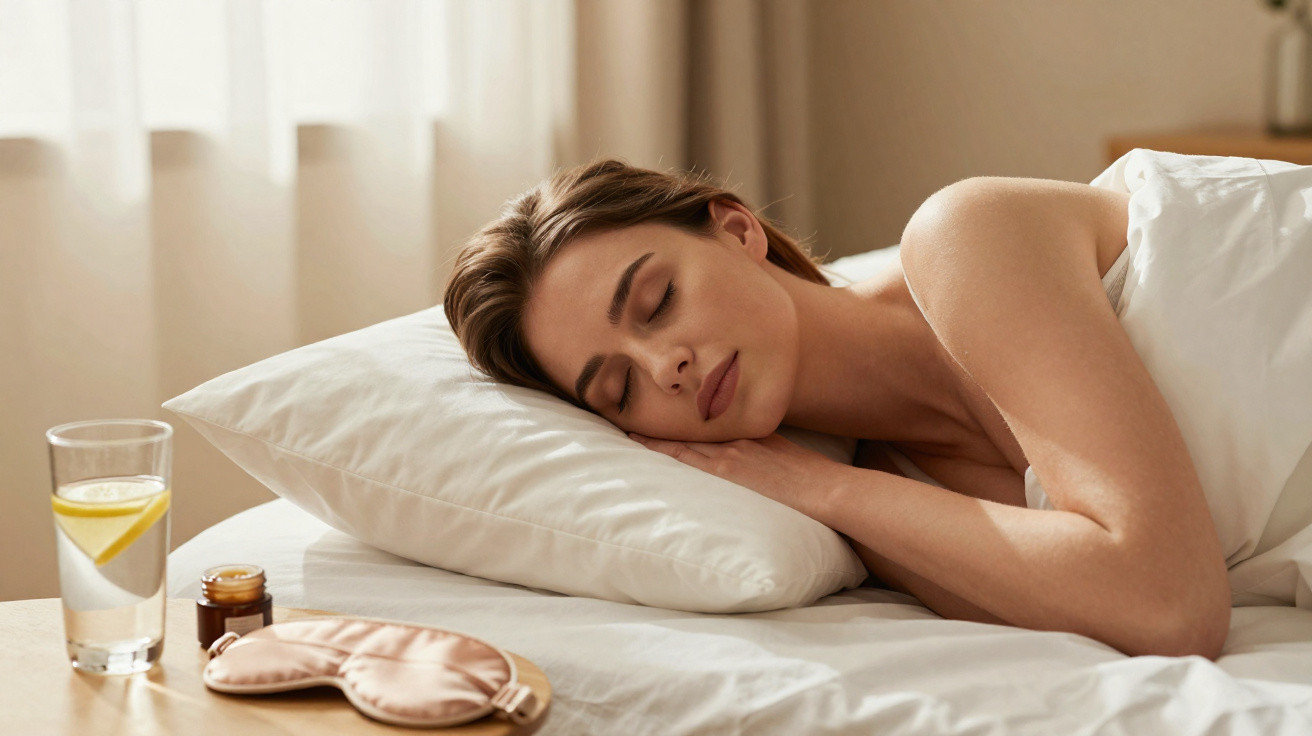
Dark circles can make us appear tired, stressed and older, even after eight hours of sleep. Anyone who has tried countless creams and applied layer upon layer of concealer will know the frustration. Dermatologists now point to a surprisingly simple step: the way we sleep can make shadows beneath the eyes worse – or noticeably reduce them.
Why dark circles are so persistent
Dark circles do not result from one single cause. Several factors overlap, making the area beneath the eyes particularly sensitive.
- Thin skin: The skin below the eyes is especially delicate, so blood vessels show through more clearly.
- Genetics: Some people naturally have more pronounced discolouration or hollows.
- Age: Over time, the skin loses collagen and elasticity, becoming more translucent.
- Lack of sleep: Blood vessels widen and blood pools, creating a bluish or purplish appearance.
- Allergies and rubbing: Frequently rubbing the eyes irritates the skin and encourages puffiness.
- Sun exposure and dehydration: UV radiation and insufficient fluid intake accentuate shadows and fine lines.
This particular combination is why it is so difficult to “get rid of everything” with a single cream. Specialists therefore recommend a combination of measures – and one of them has a central role to play while you sleep.
Good sleep: more than simply the number of hours
Too little or poor-quality sleep is a common reason why dark circles become more visible. People who consistently get fewer than seven hours often notice it in the mirror first.
“Lack of sleep causes blood vessels beneath the eyes to widen and blood to pool – resulting in dark, bluish shadows.”
Dermatologists explain that restless sleep and going to bed late put strain on circulation. This makes fluid retention in the face more likely, particularly around the lower eyelids. A reliable routine alone can often bring visible relief.
What a sleep-friendly evening routine looks like
Those looking to ease the strain on the eye area in the long term can follow a few straightforward rules:
- Aim for a regular sleep schedule with seven to nine hours of sleep.
- Switch off screens at least 30 minutes before going to bed.
- Choose light evening meals and limit salt and alcohol.
- Drink enough water throughout the day.
- Cleanse and care for the eye area gently before bedtime.
Yet even with an ideal routine, one aspect is often overlooked: the position of the head during the night.
The key sleeping position for dark circles
Dermatologists highlight a remarkably practical solution: sleeping with the head slightly elevated can visibly reduce dark circles and morning puffiness.
“An additional pillow wedge or a second pillow beneath the head reduces fluid build-up under the eyes.”
The reason is straightforward: when the head lies too flat, fluid collects in the tissue of the lower eyelids. This causes puffiness and intensifies the shadow effect. Raising the head slightly can improve blood circulation and allow fluid to drain more easily.
How to use an elevated head position properly
The aim is not to raise the head as high as possible, but to position the upper body at a slight incline. A few practical suggestions:
- Second pillow: Place an extra pillow underneath your usual one.
- Wedge pillow: Special tapered pillows support the head and upper back.
- Sleeping on your side or back: These positions keep the raised posture most stable.
- Increase gradually: If your neck is sensitive, begin by raising the height only slightly.
Anyone already prone to morning eye bags will often see a difference after only a few nights: less puffiness, clearer contours and a more alert-looking gaze.
What this position does in the body
The effect of sleeping position depends on the interaction between blood flow and lymphatic drainage. During the night, the lymphatic system works to remove fluid from tissue. When the head is positioned too low, this process is made more difficult around the eyes.
An elevated position supports:
- the drainage of excess fluid from the lower eyelids;
- improved venous return;
- less congestion in the fine blood vessels directly beneath the skin around the eyes.
This not only reduces puffiness, but also softens the dark tint caused by pooled blood. The thin skin beneath the eyes then appears less translucent, making shadows less noticeable.
What else can help with dark circles
Your position in bed is one component, but far from the only one. Anyone wanting to achieve the most improvement can address several areas:
| Measure | Benefit for the eye area |
|---|---|
| Consistent sun protection | Protects collagen and prevents more pronounced pigmentation |
| Moisturiser containing hyaluronic acid | Slightly plumps the skin, making shadows appear softer |
| Caffeine-containing eye creams | Stimulate microcirculation and reduce puffiness |
| Cool compresses in the morning | Constrict blood vessels and temporarily reduce swelling |
| Treating allergies | Less itching and rubbing, therefore less irritation |
People with very pronounced, hollow dark circles may eventually reach the limits of home remedies despite consistent skincare and healthy sleep habits. In such cases, dermatology clinics may use treatments such as fillers, lasers or specialist peels – always following a precise diagnosis.
When extra care is needed
A slightly elevated head position is generally unproblematic for most people. Even so, there are a few points to consider:
- If you have existing neck or shoulder problems, adjust pillow height gradually.
- Seek medical advice before making major changes if you have sleep-related breathing disorders.
- Do not elevate yourself so much that the cervical spine bends sharply.
If you wake up struggling with neck pain rather than enjoying a clearer-looking gaze, the height has probably been increased too much. In that case, return to a moderate elevation or use an ergonomically shaped pillow.
What terms such as collagen and lymphatic drainage mean
Collagen is a structural protein that gives skin its firmness. As we age, the body produces less of it, leaving the skin thinner and finer – particularly below the eyes, where every blood vessel then becomes more visible. Lymphatic drainage refers to the transport of tissue fluid through its own network of vessels. This process is also highly active at night and is sensitive to our body position.
This is precisely where an elevated sleeping position can help: it supports mechanisms the body already uses to reduce puffiness. Combined with consistent sun protection, sensible sleep times and gentle skincare, it gives dark circles considerably less opportunity to show.









Comments
No comments yet. Be the first to comment!
Leave a Comment