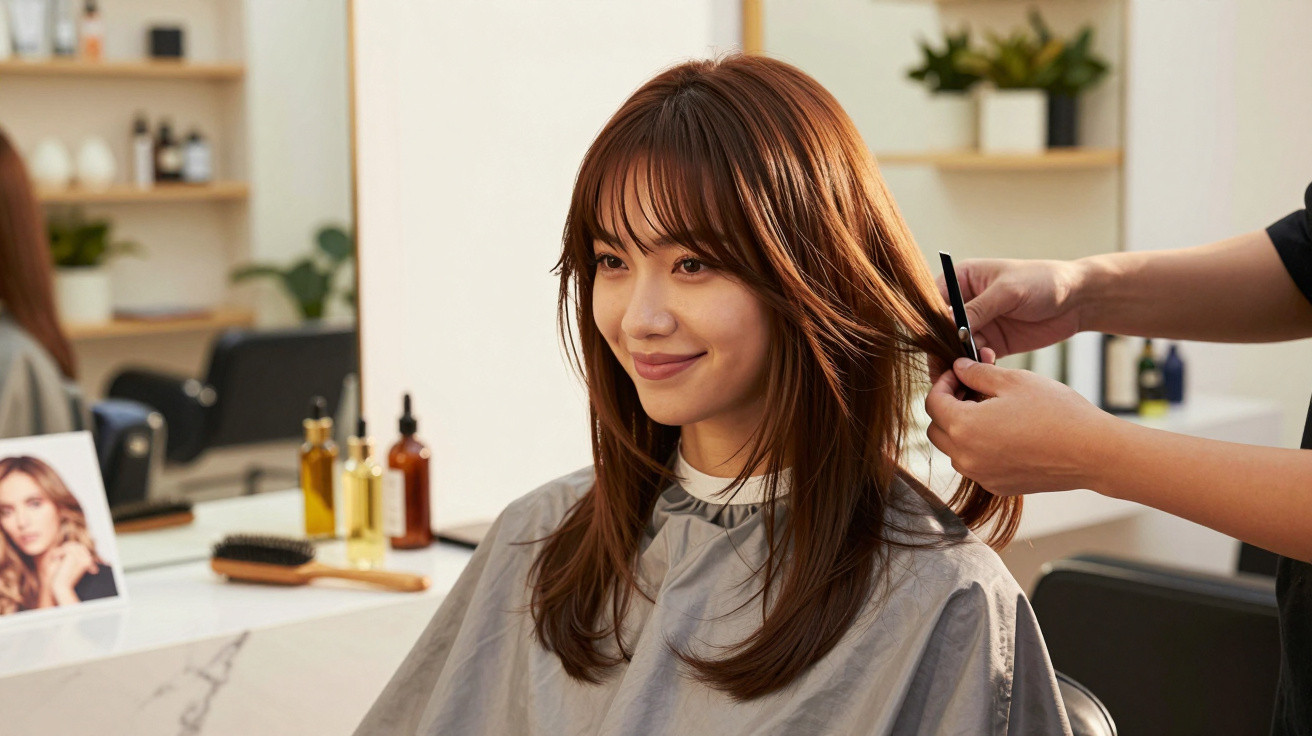
One unguarded red-carpet photograph, a feathered fringe and, before long, salons from Berlin to Boston are hearing precisely the same request.
The newest celebrity image prompting thousands of “I want this cut” screenshots involves neither rainbow hues nor dramatic shaving. Instead, it centres on a seemingly uncomplicated fringe: soft, grown-in and effortlessly cool.
Dakota Johnson’s fringe behind a thousand salon bookings
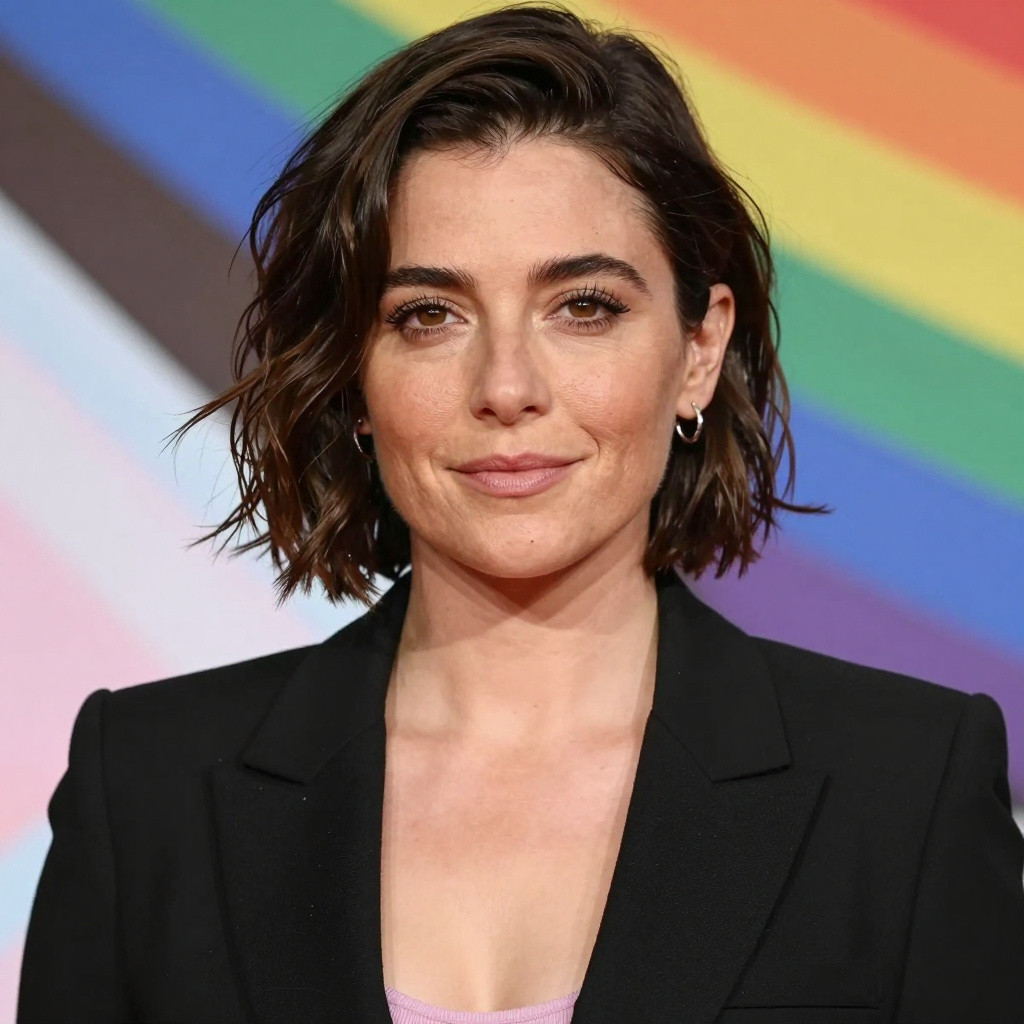
The photograph currently crowding stylists’ inboxes shows Dakota Johnson wearing her trademark shaggy fringe. Although she has sported versions of the style for years, a recent run of images – spanning Cannes appearances and relaxed street photographs – has made the cut a 2026 hair trend that is at once fresh and recognisable.
Whether on screen or away from it, Johnson’s hair conveys one distinct idea: polished without appearing precious. Her fringe seems as though it has naturally settled into place, and that is exactly why people are saving these images ahead of their salon visits.
Soft, light and a little bit undone – the Dakota Johnson fringe is less “perfect salon blow-out”, more “I woke up like this, on purpose”.
In the most widely circulated photographs, the fringe brushes the eyebrows, opening slightly at the centre before blending into the remaining lengths. The length is key: it must be long enough to graze the lashes when she looks down, yet short enough to leave the eyes clear and open.
How this fringe differs from earlier bang trends
This is neither the sharp, weighty fringe popular in the early 2010s nor the full “curtain bang” that separates dramatically through the middle. Johnson’s interpretation takes elements from each, then makes them softer and easier to wear.
- The ends are softly feathered rather than cut in a blunt line.
- Its density is medium – neither exceptionally thick nor overly wispy.
- It can separate slightly at the centre, creating a curtain-like effect when styled.
- The sides narrow and flow into the layers framing the face.
Together, these details allow the hair to move as she walks, preventing the result from seeming prim or overly “done”. In plenty of images, small spaces appear in the fringe as individual hairs fall slightly out of position. Those flaws are integral to its charm.
The fringe frames the face without swallowing it, adding structure while still letting the natural bone structure show through.
Who suits a Dakota-style fringe?
Hairdressers note that the cut is more naturally suited to particular face shapes and hair textures than others, though it can generally be tailored. It is especially flattering for:
| Face shape | Effect of the fringe |
|---|---|
| Oval | Reinforces balance while creating a soft-focus effect around the eyes. |
| Heart-shaped | Eases the look of a broader forehead and redirects attention from a pointed chin. |
| Slightly square | Softens more defined angles for a gentler overall appearance. |
| High forehead | Reduces the perceived height and gives proportions a more balanced look. |
The style is particularly effective on straight to softly wavy hair, as its natural fall keeps the fringe close to the face. Feathered ends give fine hair extra movement, while thicker hair may be lightly thinned to prevent a solid “helmet” effect.
Very tight curls require a more bespoke approach, often with the hair cut dry so the stylist can see where the curls will spring. On especially coarse or strongly wavy hair, the fringe can dry shorter than anticipated, making planning and careful attention to length essential.
What to request at the salon
Arriving with only the words “Dakota Johnson bangs” may be insufficient, particularly if your stylist has not looked closely at the reference photographs lately. Take at least one clear picture, but explain the specifics as well.
Ask for a soft, lightly layered fringe that lands just above the eyebrows and flows seamlessly into the sides.
Stylists suggest phrasing your request along these lines:
- A fringe that is “soft and slightly shaggy, not blunt”.
- A length that “skims the brows, not halfway up the forehead”.
- Ends that are “texturised so they don’t form a straight line”.
- Weight that is “light to medium, not too dense at the roots”.
- Sides that “blend into longer pieces around the cheekbones”.
If your home styling routine is low effort, make sure your hairdresser knows this. They can tailor the cut to work even if you simply rough-dry it with your fingers rather than spending 20 minutes using a round brush.
How Dakota’s fringe suits different hairstyles
The style’s adaptability is one reason it is catching on so rapidly. In Cannes red-carpet images, Johnson pairs the fringe with an uncomplicated low updo: the rest of her hair is pulled smoothly back, while the fringe remains loose and faintly parted. That contrast between a sleek back and a soft front gives the look a contemporary edge.
In casual photographs, she wears the same fringe with a white shirt or relaxed cardigan. Her hair is loose, with straight or gently waved lengths and a few hairs escaping at the temples. Rather than becoming an “evening only” feature, the fringe feels woven into her everyday look.
This is a fringe that survives ponytails, messy buns and braided styles without losing its personality.
The cut also suits anyone who favours braids or half-up styles. The longer side sections can stay loose around the face, while the central portion of the fringe remains forward to soften the hairline.
Practical styling advice beyond photo shoots
A fringe does need some attention, but this version is less demanding than it appears. A handful of useful habits will help it stay in shape:
- Dry it with a hairdryer straight after washing, so it does not settle in unusual directions.
- Position the dryer above the hair and direct the airflow downwards to keep the fringe smooth and flat.
- Use either a small round brush or your fingers to turn the ends subtly under.
- Avoid rich oils near the forehead, which can make it greasy by midday.
- Apply a very small amount of lightweight texture spray at the end for separation.
Routine trims are essential. Depending on your hair growth rate, this style can begin to appear overgrown after roughly five to seven weeks. Many salons provide fast fringe-only appointments, so a full haircut is unnecessary every time.
Risks, regrets and ways to try it first
A fringe represents a commitment. It will grow back, but the first few days following a cut can feel dramatic if you are unused to hair resting on your forehead. Before reaching for scissors, there are several ways to trial the idea.
Clip-in bangs can work for an evening out or a weekend. The colour will not always match perfectly, but they offer an impression of how the shape alters your face. Alternatively, pull your front sections forwards, pin them across your forehead and take a photograph from a distance. It is an imperfect method, but it can still reveal the overall effect.
If you are unsure, ask your stylist for a longer, curtain-leaning version first, then shorten slowly over future visits.
Lifestyle matters too. Anyone who works out often or sweats heavily around the hairline may find a fringe difficult when it needs daily washing or dry shampoo. People with highly sensitive or acne-prone forehead skin may experience more breakouts when hair rests there throughout the day, so a lighter, more open fringe could be preferable to a solid curtain.
Why a single celebrity photograph carries such influence
Celebrities have long shaped hair trends, from Jennifer Aniston’s “Rachel” in the 90s to curtain bangs returning through TikTok. The difference now is pace. A handful of film-festival photographs, shared again on Instagram and saved to Pinterest, can lead clients to request an identical cut within days.
The Dakota Johnson fringe also reflects a broader beauty mood: people are seeking styles that appear effortless while remaining refined, somewhere between “I rolled out of bed” and “I spent an hour in glam”. The feathered fringe occupies that space neatly. It can be blow-dried for a glossy result or left lightly tousled for a French-inspired, lived-in finish.
For anyone wanting a change without sacrificing length, the cut provides a realistic transformation. It changes the appearance of the face in every selfie, works with both jeans and gowns, and grows into face-framing layers if you ultimately lose interest. It is little surprise that one star photograph can send so many people back to the hairdresser’s chair with a screenshot in hand.




Comments
No comments yet. Be the first to comment!
Leave a Comment