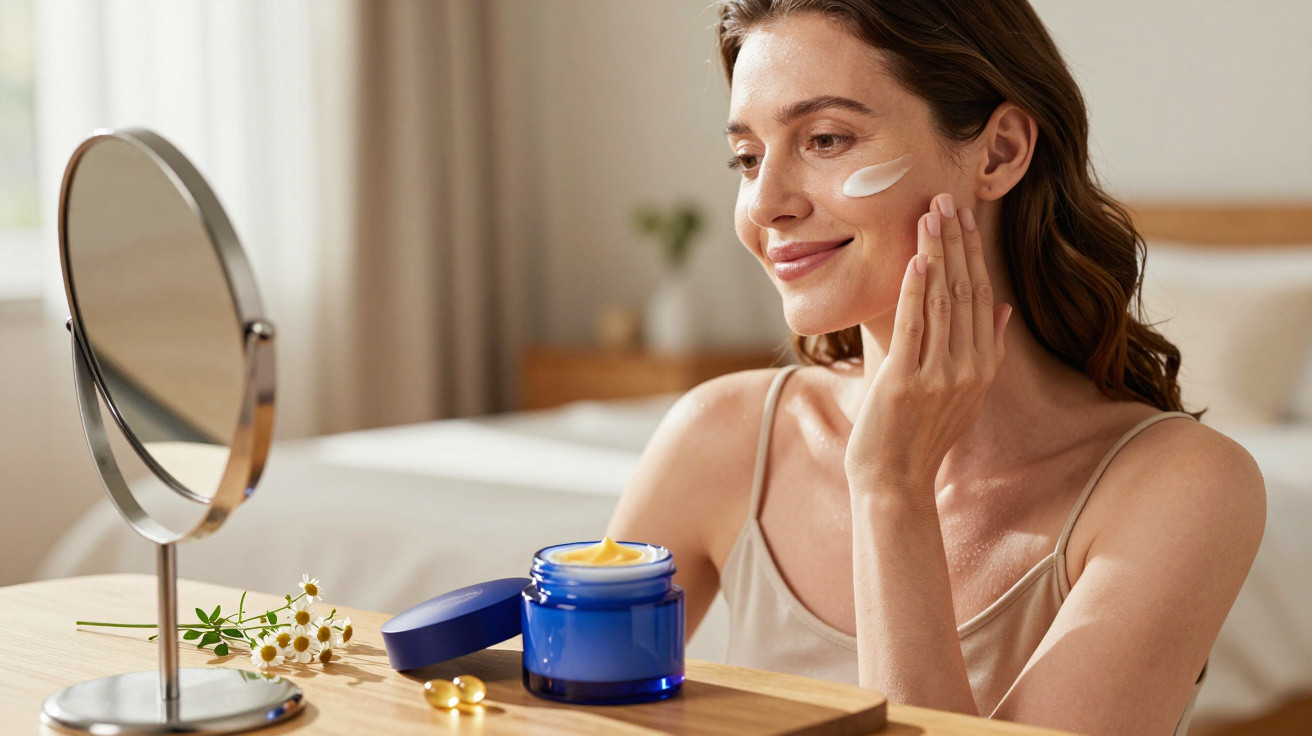
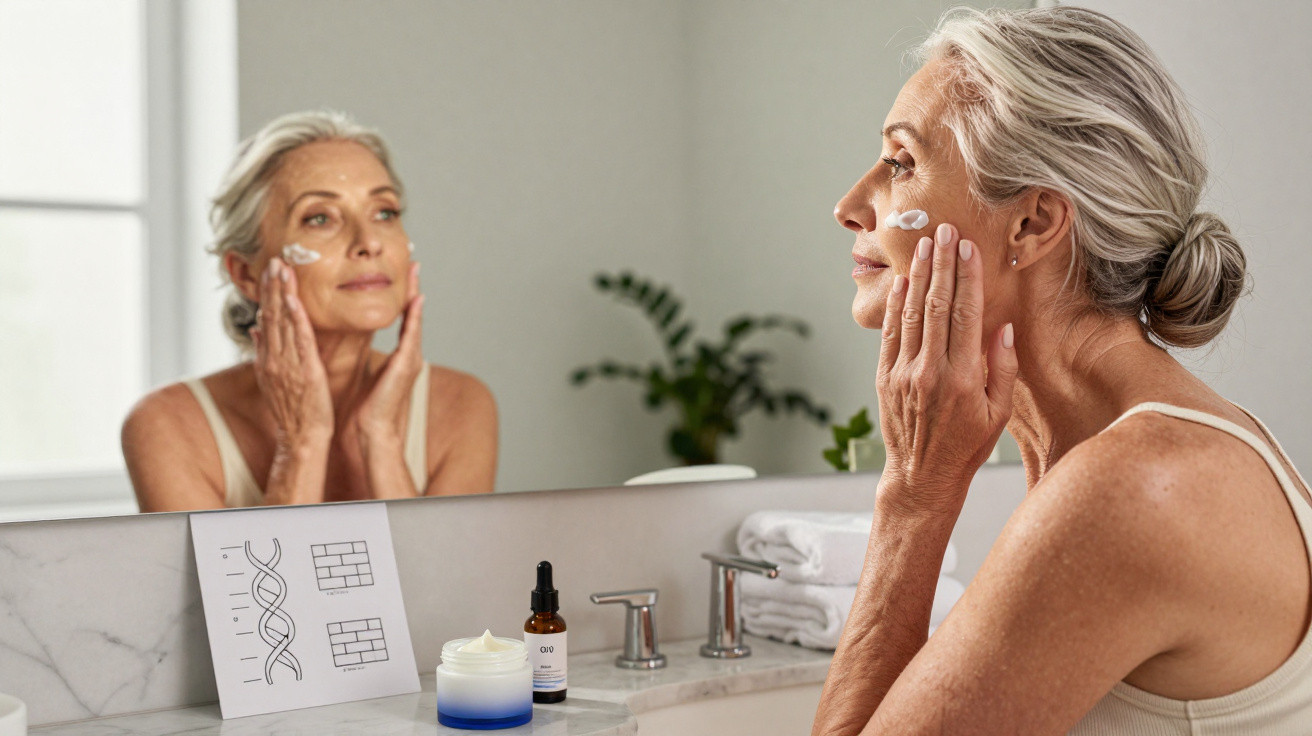
As the years pass, skin gradually loses firmness, becomes drier and can react more sensitively. A simple moisturiser that once did the job often needs to be replaced with much richer, more targeted care from the age of 50 onwards. Nivea has therefore launched a new Q10 cream designed to address deep wrinkles and severe dryness, clearly targeting mature skin.
Why the classic blue cream is no longer enough for many people over 50
The familiar cream in the blue tin is associated with straightforward skincare, a subtle fragrance and a comforting, recognisable feel on the skin. It can work very well for younger skin or skin with few concerns. However, skin's requirements change noticeably with age.
- Skin produces less oil, becoming drier and more sensitive.
- Collagen and elastin fibres break down, causing skin to lose firmness.
- Wrinkles become more pronounced, while expression lines remain visible.
- The skin barrier becomes more permeable, so moisture escapes more quickly.
A relatively basic all-purpose cream can only compensate for these complex changes to a limited extent. Many women notice this in everyday life: their skin feels tight even after moisturising, make-up settles more noticeably into fine lines, and the area beneath the eyes looks more tired than it once did.
Mature skin needs less “one-size-fits-all” care and more targeted active ingredients – and this is exactly where Nivea's new Q10 skincare comes in.
The new Nivea Q10 skincare: a rich balm for day and night
Nivea presents its new “Rich Q10 Anti-Wrinkle Collagen Expert Balm for Day and Night” as skincare for very dry, mature skin that has already begun to visibly lose firmness. In essence, the term “balm” indicates an especially rich, almost protective texture that offers more than a conventional day cream.
The balm is intended to work on three levels: providing intensive care, reinforcing the skin barrier and delivering targeted anti-ageing benefits. It is recommended for the face, neck and décolletage, and can be used both morning and evening.
What the formula contains
Three groups of active ingredients, all important in modern anti-ageing skincare, are at the heart of the formula:
- Pure Q10: Coenzyme Q10 occurs naturally within skin cells and plays a part in energy processes. The body's own level decreases with age. Applied topically, Q10 is intended to support cells and help protect against oxidative stress.
- Collagen peptides: These small protein components are used in anti-ageing products to support skin structure. They are intended to promote elasticity and positively affect the appearance of wrinkles.
- Ceramides: Ceramides are lipids found in the skin's natural protective barrier. They help retain moisture and shield the skin from external factors such as dryness and wind.
This combination of Q10, peptides and ceramides therefore addresses two key concerns of mature skin: dryness and visible signs of ageing.
How the Nivea Q10 balm feels on the skin
Compared with the lighter cream in the well-known tin, Nivea describes this new texture as “cocoon-like”. In practice, this means it is creamy and dense, while still formulated to absorb promptly. This is precisely what many users want: a deeply nourishing sensation without a heavy, greasy finish on the face.
Rich but not sticky – the balm is designed to leave particularly dry skin feeling noticeably supple throughout the day.
According to the manufacturer, the cream absorbs quickly without leaving an oily film. This also makes it suitable beneath make-up, an important consideration for many women in everyday use. In the evening, the balm can also be applied in a slightly thicker layer, almost like an intensive overnight treatment.
Promised results: expected changes after two and four weeks
Nivea refers to visible results after a relatively short period of use. Its internal tests reportedly showed the following:
- After around two weeks: Deep wrinkles and expression lines appear smoother, while the overall skin surface looks more refined.
- After approximately four weeks: Facial contours appear firmer, and the lifting effect is intended to be subtly visible.
The balm is designed for use not only on the face, but also on the neck and décolletage. This area is often overlooked, although it can reveal a great deal about age. The manufacturer recommends massaging the product generously into these areas in the morning and evening.
Who the new cream is particularly suited to
Its stated characteristics create a clear user profile. This skincare may be especially suitable for people who:
- are over 50 and experience noticeable skin dryness,
- no longer feel sufficiently cared for by the lighter texture of the classic cream,
- have already noticed deeper wrinkles and declining firmness,
- want a straightforward option that can be used during both the day and the night.
Those with combination skin or skin that becomes shiny quickly may find the balm too rich. In these cases, lighter Q10 creams or gel creams are generally more suitable.
How to add the balm effectively to a skincare routine
For an anti-ageing product to deliver its potential, the ingredients are not the only factor; correct application also matters. A simple routine could look like this:
- Cleansing: Use a gentle cleansing gel or cleansing milk, avoiding harsh foaming products that may dry the skin further.
- Optional: serum containing hyaluronic acid or antioxidants for an additional boost of moisture and protection.
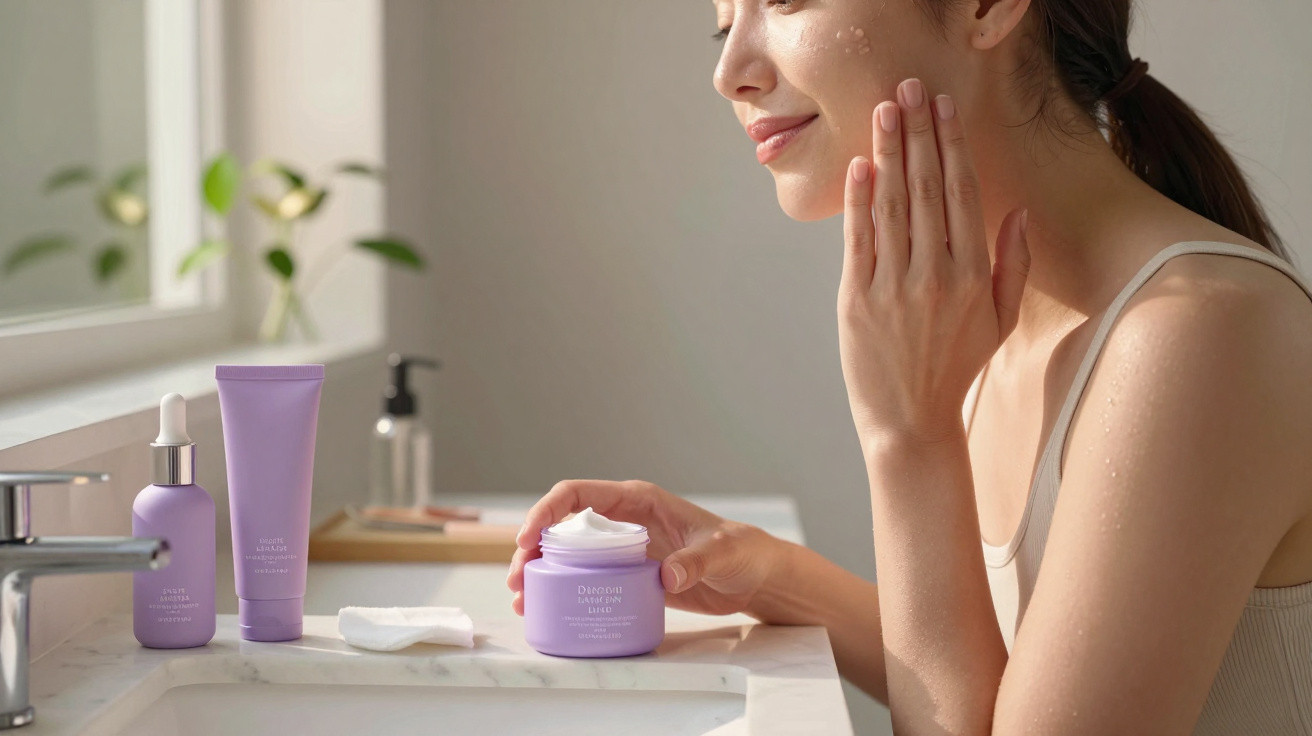
- Nivea Q10 balm: Massage a small amount into the face, neck and décolletage every morning and evening.
- During the day: Apply sunscreen with a high SPF over the skincare, particularly if skin is sensitive or fair.
Without daily UV protection, even effective anti-ageing creams can only do so much to counter wrinkles.
What Q10, ceramides and peptides can realistically do day to day
Many readers wonder how substantial the real-world effect of creams like these can be. Skincare cannot replace a surgical tightening procedure, but it can still improve several aspects:
- Q10 may help tired-looking skin appear more awake and refreshed.
- Ceramides reinforce the protective barrier, making skin look plumper because it loses less moisture.
- Peptides may positively influence the appearance of wrinkles and make skin texture look smoother.
This is often noticeable as a “cushioned” feeling: skin appears less crinkled, make-up applies more evenly, and dehydration lines on the chin or around the mouth are less obvious.
Other factors that affect wrinkles after 50
Cream alone never determines the overall appearance of skin. Lifestyle and daily habits also play an important part:
- Smoking significantly speeds up collagen breakdown.
- Intense sun exposure without protection causes wrinkles to form more quickly.
- Too little sleep and ongoing stress can make skin look dull and tired.
- A highly unbalanced diet can slow down regeneration.
People who combine skincare such as the new Q10 balm with sufficient sleep, moderate sun exposure and a reasonably balanced diet will generally gain more from the product than someone who changes only their cream.
The new Nivea skincare is particularly interesting for users who have remained loyal to the blue tin for years but are now noticing that their skin needs greater support. With Q10, collagen peptides and ceramides, the company is seeking to fill precisely that gap: the next stage in a skincare routine when a simple standard cream is no longer enough.




Comments
No comments yet. Be the first to comment!
Leave a Comment