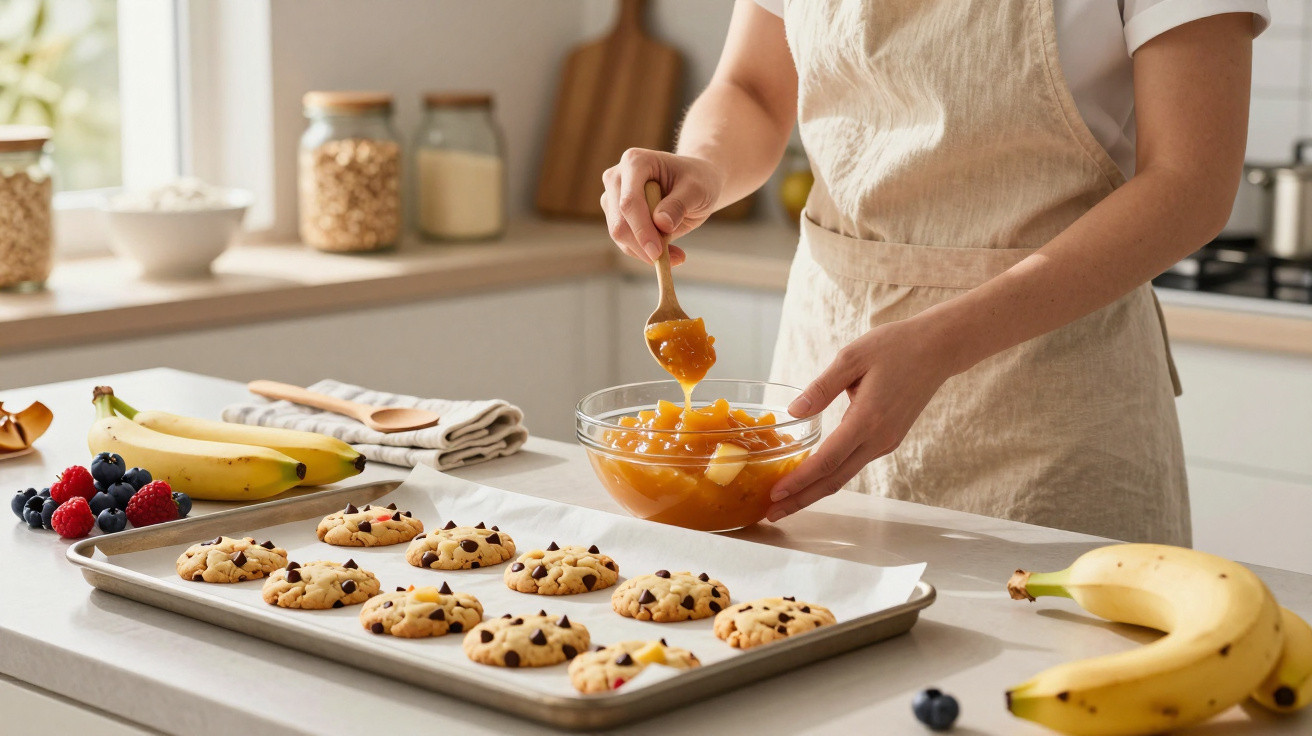
A straightforward swap can produce soft, moist cookies while using considerably less fat.
When baking, many people instinctively reach for a block of butter. Cookies in particular seem to follow a familiar formula: plenty of fat, lots of sugar and a brief spell in the oven. Yet there is a remarkably simple adjustment that can cut a substantial amount of calories and saturated fat without leaving you with trays of diet-like cardboard. The answer is sitting in a jar that is already found in many kitchen cupboards.
Why butter can be a problem in cookies
Butter gives baked goods their tender texture, rich flavour and tempting aroma. However, it also brings plenty that can become an issue over time, especially saturated fatty acids and calories. Nutrition experts advise that fats should provide roughly one third of daily energy intake, with only a small proportion coming from saturated fats. In reality, many people consume considerably more than this.
Home-baked cookies are often considered “better” than supermarket versions. That is partly true, as you know what has gone into them. Even so, traditional cookie recipes can easily contain 150 to 200 grams of butter per tray. Anyone who bakes regularly may therefore raise their weekly fat intake without noticing – including children.
“By replacing butter intelligently, you can lower your fat intake without giving up soft, freshly baked cookies.”
The aim is not to avoid butter entirely, but to make a smart substitution: retain the creaminess while cutting the fat.
Applesauce instead of butter: the unexpected star
The “secret” cupboard ingredient is surprisingly ordinary: applesauce with no added sugar. Although it may sound like an emergency substitute, it has a fairly precise role in baking.
In cookies, butter performs several functions:
- It coats the flour and starch, creating a tender bite.
- It holds water, helping to stop the dough from drying out.
- It contributes to the characteristic crust at the edges and soft centre.
Applesauce can replicate much of this surprisingly effectively. Its high water content keeps the dough moist, fruit fibres help stabilise the mixture, and its natural sweetness adds a pleasant flavour. The key advantage is that it does all this with virtually no fat.
How to make a 1:1 swap in practice
The basic rule is simple: replace each quantity of butter with the same quantity of applesauce. If you would normally use 100 grams of butter, use 100 grams of unsweetened applesauce instead. A few adjustments will help ensure the result is genuinely successful:
- Reduce the sugar: Allow for around 20 per cent less sugar, as the natural sugars in the apples also count.
- Keep an eye on the baking time: The surface will brown less deeply, so use the lightly firm edges as your guide.
- Leave them to settle: Once baked, let the cookies rest on the tray for several minutes so that they become more stable.
Following these three points produces cookies that may look slightly paler but are remarkably soft and moist inside.
How applesauce cuts calories and fat
This substitution makes such a difference because of the ingredients’ composition. Butter consists mainly of fat, whereas applesauce is largely water and fibre. The figures make this especially clear:
| Ingredient (100 g) | Calories | Fat content |
|---|---|---|
| Butter | approx. 715 kcal | around 82% fat |
| Applesauce with no added sugar | approx. 70 kcal | 0% fat |
The gap is substantial: replacing butter completely with applesauce dramatically lowers the fat proportion of the whole batch of dough. The swap is particularly effective at reducing saturated fats, which are abundant in standard household butter.
It becomes even more interesting when looking closely at the components of apples. Pectin, the fibre that also helps jams set, holds water and gives dough a stable structure. It therefore takes over part of the role that melted fat would usually perform.
“Apple pectin acts like a natural ‘builder’ in the dough: it holds the mixture together and retains moisture without providing energy itself.”
There is another benefit, too: the mild acidity of apples activates raising agents. When using bicarbonate of soda or baking powder, you can add an extra half teaspoon tip for especially fluffy cookies.
Tips for the ideal applesauce cookie texture
For this butter substitute to work properly, it is worth checking the product in the jar carefully. Not every applesauce behaves in the same way.
- Use unsweetened applesauce only: Added sugar changes the outcome and disrupts the nutritional balance.
- Choose smoothly puréed rather than chunky applesauce: Small apple pieces may work well in desserts, but they can quickly create an uneven texture in cookie dough.
- Do not overmix the dough: Once the flour is added, mix only until everything is just combined – otherwise the cookies can become tough.
Another advantage is that the remaining moisture in applesauce keeps cookies fresh for longer. Stored in an airtight tin, they stay soft for four to five days. For families or offices where a larger batch is baked at once, this means far fewer dry leftovers.
Other butter alternatives worth considering
Applesauce is not the only possibility, but it is one of the lowest-calorie options. Other ingredients can offer flavour or nutrients, although they do not always save as much fat.
Nut butters, oils and dairy products compared
For a stronger flavour, nut butter can be used, such as almond, hazelnut or cashew butter. These purées provide unsaturated fatty acids and protein, but they still contain plenty of calories. They are useful for a more mindful diet, though less suitable when the aim is a major energy reduction.
Plant oils, including rapeseed, sunflower and coconut oil, can replace butter without difficulty from a technical baking perspective. They create a tender crumb and pleasant bite, but barely lower the overall fat content. Their health benefit is more likely to lie in a more favourable fatty-acid profile.
Yoghurt or quark reduce fat more noticeably while also adding protein. In practice, however, the result tends to resemble small cakes rather than classic cookies: taller, airier and less chewy. Those who enjoy precisely that texture can experiment successfully with them.
Vegetables and other fruits in cookie dough
Applesauce is only a starting point. Other fruit or vegetable purées can also be worked into dough:
- Ripe banana: Very sweet and ideal for replacing part of the sugar as well. It makes soft, dense cookies with a pronounced banana flavour.
- Pumpkin or sweet potato purée: Adds a little colour and gentle sweetness, pairing well with spices such as cinnamon or nutmeg.
- Finely grated courgette: Mainly adds moisture with almost no distinct flavour, and is better suited to dark, cocoa-based doughs.
One point remains important with every variation: the liquid content must match the amount of flour. If the dough becomes too soft, extra oats, ground almonds or a little more flour can help.
What apple cookies offer for everyday life and health
Anyone who bakes regularly will notice the difference not only on the scales, but also in their routine. A household that puts one tray of cookies in the oven each week and consistently swaps butter for applesauce can noticeably reduce its fat intake. At the same time, the snack appeal remains: these are still “real” cookies, not hard diet biscuits.
This approach can be a useful compromise for children in particular. They can still have their favourite chocolate-chip cookies, but with less fat and a little more fibre from the fruit. If desired, the sugar quantity can also be reduced gradually until a new, less sweet standard recipe becomes familiar.
The potential for combining ingredients is equally appealing: applesauce as a butter substitute can be paired with wholemeal flour, ground nuts or oats. This increases satiety, stops blood sugar rising as quickly, and often means one or two cookies are enough to create a satisfying break.
For anyone who enjoys experimenting while baking, applesauce is an uncomplicated partner: it is inexpensive, often already in the cupboard and forgiving of small inaccuracies. What remains is the aroma of freshly baked cookies – and a much better feeling when reaching into the biscuit tin.

















Comments
No comments yet. Be the first to comment!
Leave a Comment