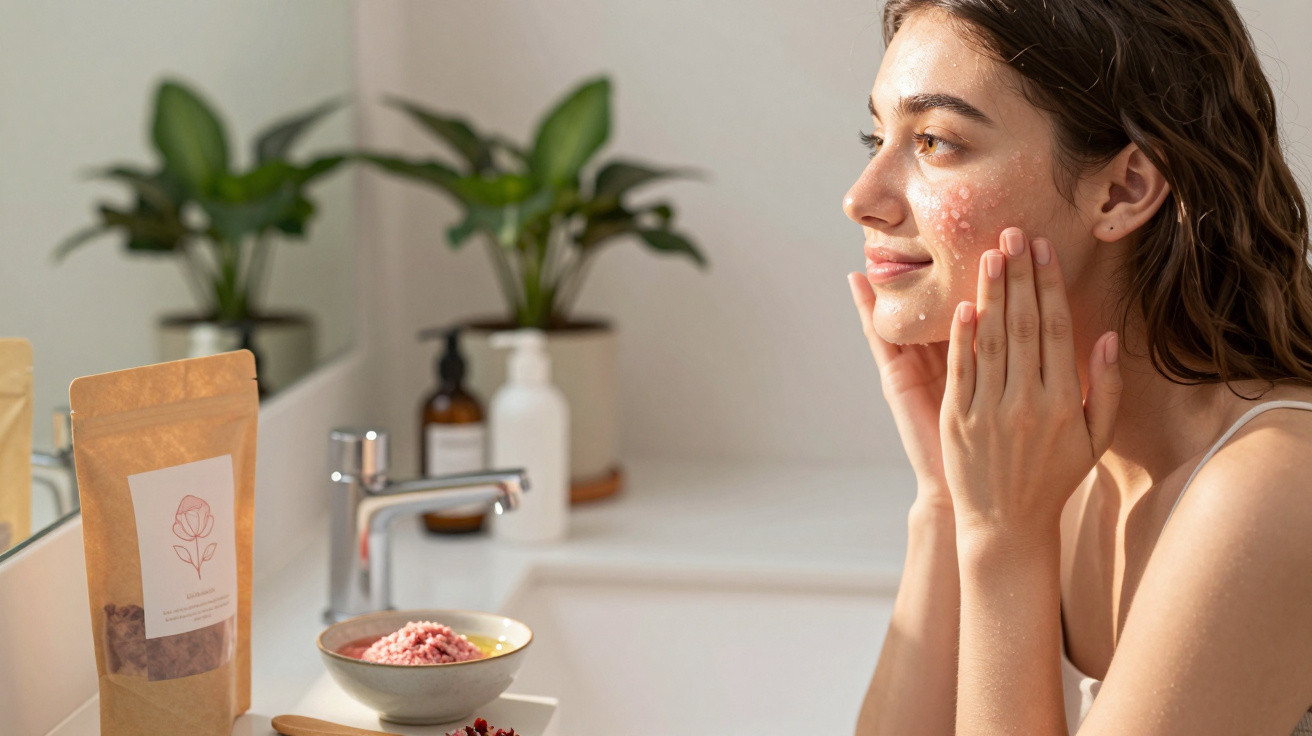
Rather than buying costly luxury exfoliants, many beauty enthusiasts are now choosing an understated powder that can be blended with water, oil or shower gel. A natural product from Aroma-Zone is said to leave skin remarkably smooth, refine the appearance of pores and create a visibly more radiant complexion – and its results are widely praised on review platforms.
Why skin needs exfoliation in the first place
Skin is continuously renewing itself. Old cells naturally shed, but this process does not always work equally well. When they remain on the surface like a grey film, pores can become clogged and the complexion starts to look dull.
“A good exfoliant removes this grey veil from the skin without irritating it – and it needs neither microplastics nor a cocktail of fragrance.”
This is precisely the thinking behind a minimalist exfoliant: one plant-based powder mixed with a neutral base. Its strength can therefore be adjusted, while unnecessary additives are eliminated entirely.
The plant powder beauty fans love
The focus is on a powder made from the seeds of the wild rose fruit, or rosehip. Once ground, the seeds act as extremely fine abrasive particles: they lift away dead skin flakes while stimulating the skin’s surface at the same time.
The idea is simple: a pouch of pure powder and nothing else. There are no fragrances, silicones or preservatives. Anyone using the powder prepares their exfoliant fresh for every use, either in the palm of their hand or in a small bowl.
- 100% plant-based: only ground seeds, with no fillers
- Customisable mixing: suitable for face or body, depending on the chosen base
- Mechanical exfoliation: dead cells are gently buffed away
- Toning effect: the complexion looks more awake and refreshed
For anyone who values short INCI lists, this offers exactly that: a raw ingredient rather than a ready-made product. It requires one extra step, but gives complete control in return.
How to add the exfoliant to your skincare routine
A quick facial exfoliant in 10 seconds
Only a tiny amount is needed for the face – many users refer to it as a “pinch”:
- Put facial cleanser or a few drops of plant oil, such as jojoba or almond oil, into your hand.
- Sprinkle over a very small amount of powder.
- Briefly combine it in your hands until it forms a lightly grainy paste.
- Spread it over damp skin using very gentle circular movements.
- Rinse thoroughly, then moisturise the skin well.
Many users say they use it once or twice a week and notice a visibly smoother skin texture after only a few weeks.
Body exfoliation in the shower
For the body, the mixture can be slightly more intensive. Three options are particularly popular:
- With shower gel: Stir the powder into a neutral shower gel, leave it briefly, then apply it across wet skin.
- With plant oil: Coconut or almond oil, for example, also conditions dry shins, elbows and upper arms.
- As a bath exfoliant: Blend the powder with bath salt, such as Epsom salt, and essential oils, then massage it in gently while bathing.
Those who enjoy experimenting can take it further: some stir the powder into a melt-and-pour soap base to make their own exfoliating soaps. Others mix it with clay and floral water for a combined mask and exfoliant.
What users praise most about Aroma-Zone rosehip powder
On a major German cosmetics review platform, the powder receives a very high overall rating. The comments paint a fairly consistent picture.
“Three benefits come up most often: softer skin, finer-looking pores and a visibly fresher complexion.”
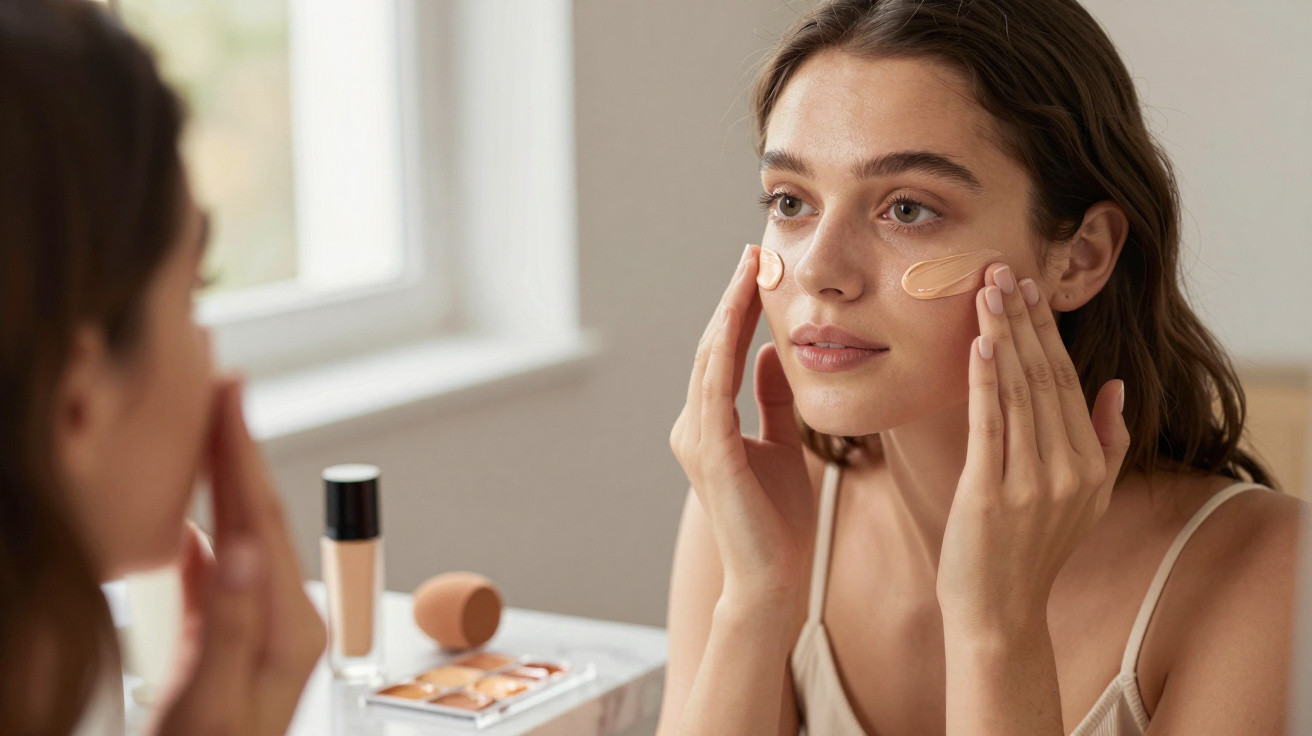
Several users write that their skin looks “smoother” and “more even”, and that make-up applies more easily. Many also report that small blackheads and dark dots on the nose or chin gradually become less noticeable when they use the exfoliant regularly, though not every day.
Price is another advantage. The pouch seems to last almost indefinitely because so little is needed for each application. Compared with premium-brand exfoliants from the perfumery, the powder appears almost suspiciously inexpensive.
Where users see room for improvement
The product is not entirely free from criticism. Several concerns crop up repeatedly:
- Packaging: A pouch or screw-top tub does not suit everyone, and many would prefer a shaker insert.
- Dosage: Without a spoon or spatula, it is easy to tip too much powder into the hand.
- Time factor: Ready-made exfoliants are more convenient for anyone in a hurry.
Some users with very fine or sensitive skin say they need to use the powder sparingly and dilute it well. They recommend first testing it on a small area of the face, such as the chin, before using it over the entire face.
How often does exfoliation make sense?
The temptation is understandable: when skin feels so wonderfully smooth after exfoliating, it can be tempting to do it every day. However, that may lead to redness, tightness and minor irritation.
| Skin type | Recommended frequency |
|---|---|
| Sensitive, dry skin | every 10–14 days, very gently |
| Normal or combination skin | once a week |
| Oily, resilient skin | 1–2 times a week |
Anyone who notices redness, stinging or increased dryness should leave longer intervals between uses and reduce the amount of powder. For severely inflamed or damaged skin, it is better to avoid exfoliation altogether until the skin has settled.
Why stress, laptops and central-heating air make the complexion look dull
A lacklustre complexion is rarely caused by skincare alone. Specialists point to several factors that can make skin look dull more quickly.
Chronic stress slows the skin down
When stress levels remain high, the body releases more cortisol. This hormone slows the natural cell-renewal process and impairs microcirculation. Skin receives less blood flow, looks grey and tired, and fine lines become more pronounced.
Too little fluid in the body
When you do not drink enough, the skin’s surface can become uneven. The outermost layer is then drier and less regular, while dead cells cling on for longer. Light is reflected less effectively, making the complexion appear duller. A simple jug of water on the desk often helps more than a third layer of highlighter.
Diet as a radiance boost or barrier
Sugary snacks and heavily processed foods can encourage low-grade inflammatory processes, which may also show up as redness, under-the-skin bumps and uneven texture. By contrast, brightly coloured fruit and vegetables rich in antioxidants have a protective effect. Omega-3 fatty acids from fish, linseed oil or walnuts strengthen the skin barrier, helping skin look plumper and fresher.
Blue light and dry heated air
According to studies, long periods of screen time can create oxidative stress in skin cells that resembles the effect of UV radiation. Combined with dry office air from central heating or air conditioning, skin loses further moisture. It feels tighter, fine flakes become more visible and the conditions are ideal for a dull complexion.
How to combine the exfoliant sensibly with other skincare
One product will not solve every skin concern, but it can be an important component. Anyone using wild rose powder benefits most when the rest of their routine supports it.
- After exfoliating, apply a mild, hydrating serum, for example one containing hyaluronic acid.
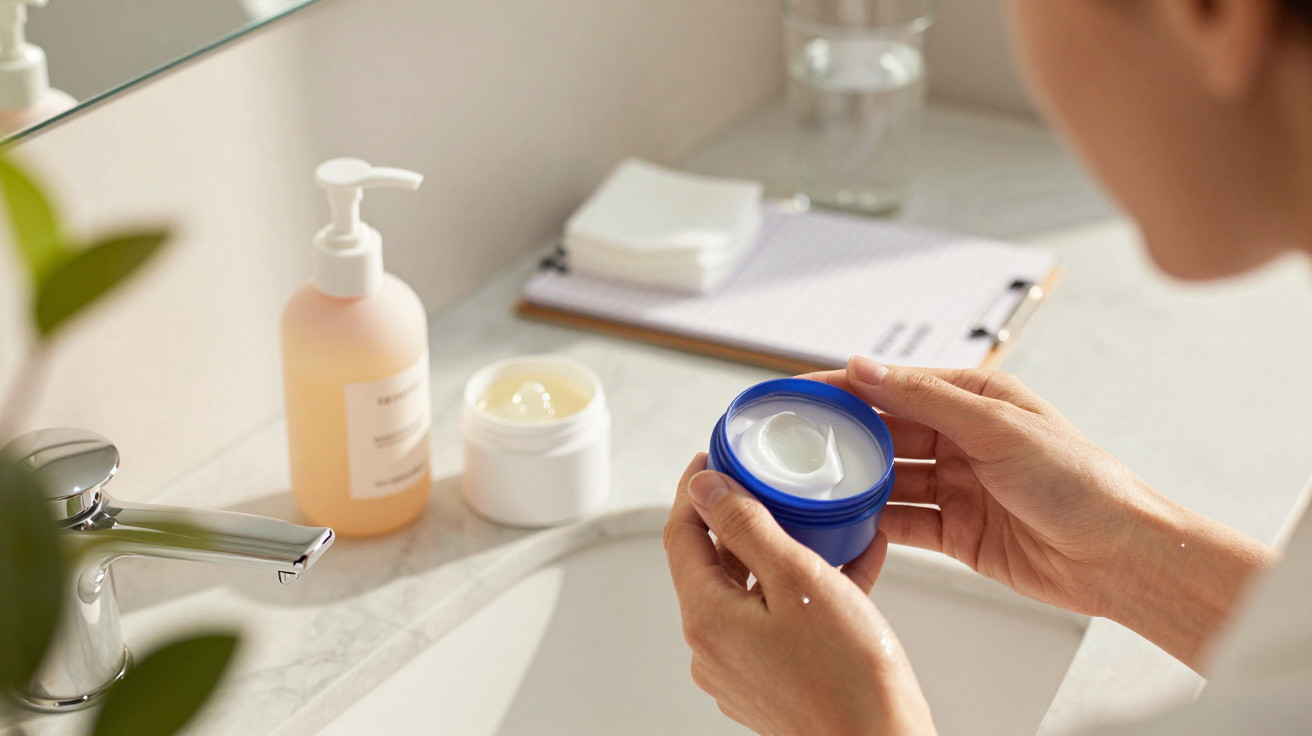
- Follow with a cream featuring soothing ingredients such as panthenol or niacinamide.
- Always remember sunscreen during the day, particularly after exfoliation.
Those prone to blemishes can occasionally combine the powder with clay and a hydrosol-style floral water, using it as a short-contact mask. This combines deep-cleansing and mechanical effects, which can benefit many combination-skin types.
The key point is this: the coarseness of the grains cannot be changed, but the intensity can. If your skin reacts sensitively, use less powder, blend it into a richer base and massage for only a very short time. The same product can therefore become either a robust body exfoliant or a gentle complexion refresher, depending on how your skin feels that day and its current condition.







Comments
No comments yet. Be the first to comment!
Leave a Comment