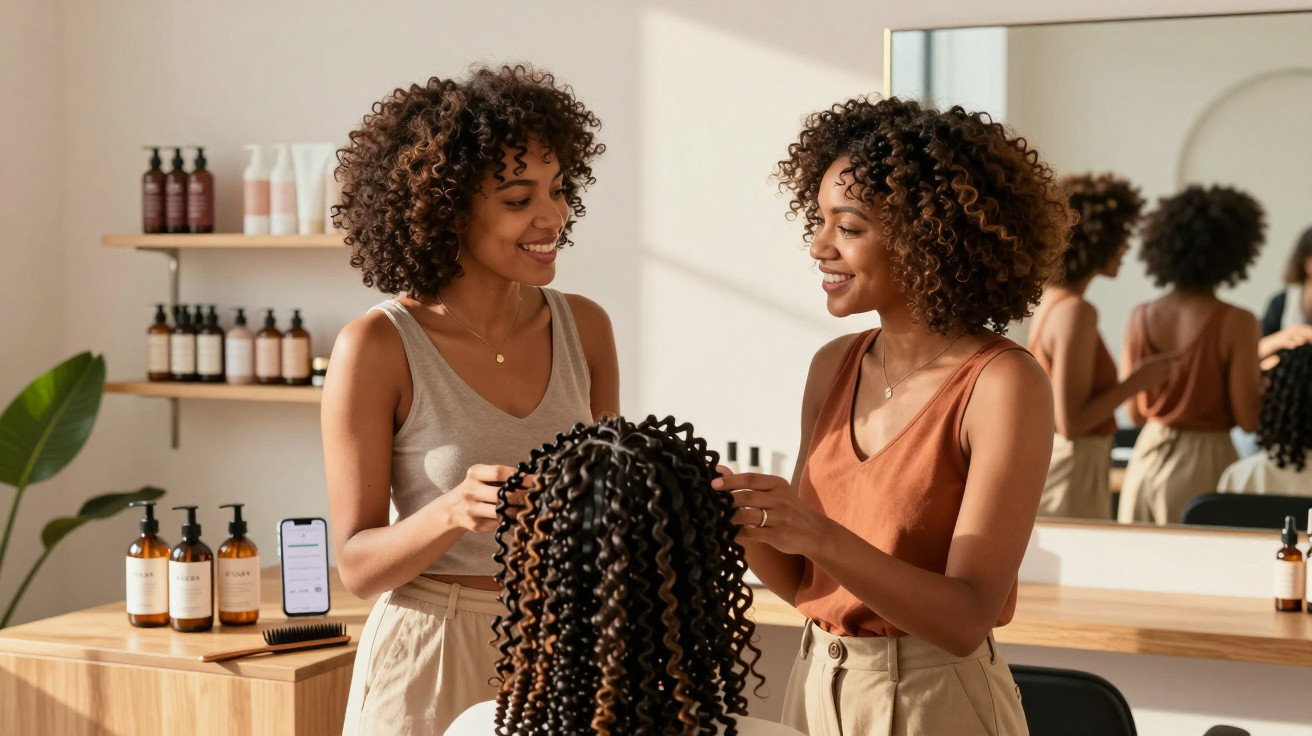
For years, chemists’ shelves catered almost exclusively for straight hair, leaving a huge group of consumers without products that suited them. Two entrepreneurs from France decided this could not continue, turning a very personal need into a rapidly expanding brand for textured hair.
How a blind spot on beauty shelves became a business idea
Around one fifth of the French population has Afro hair or tightly textured curls. This includes hair that is coily, curly, heavily wavy or very dense. Yet in 2015, people with these hair types could find very few suitable care products in mainstream retail that genuinely matched their texture.
Rebecca Cathline, who grew up with roots in Guadeloupe and Côte d’Ivoire, knew this issue from everyday experience. While searching for professional hairdressers who understood her natural texture, she realised that thousands of other people faced precisely the same difficulty. She and her business partner, Didier Derozin, therefore began with a digital solution.
From a hairdresser booking tool to an independent beauty brand
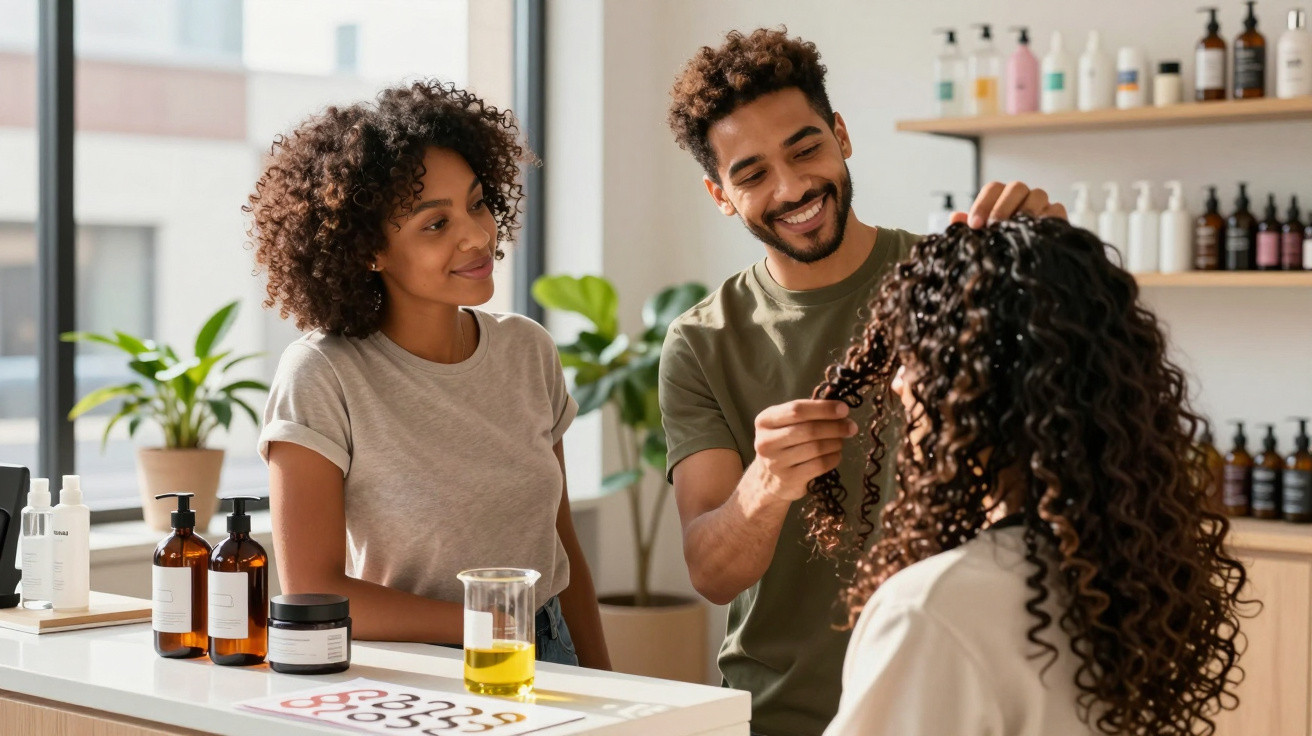
The brand’s first step was an app. Called “Ma Coiffeuse Afro”, it enabled users to book hairdressers with genuine expertise in coily, curly or heavily wavy hair, including home appointments on request. Demand was considerable, and the community expanded quickly.
Each appointment made one point clearer: many customers wanted to understand how to care for their own hair, rather than relying permanently on salon bookings. That insight led to the next stage: a dedicated product line designed for use at home, not solely by professionals.
“A simple gap in the market became an entire ecosystem for textured hair – from a service to its own product.”
In HairCare: launching products during lockdown
In 2020, when the first major lockdown brought much of Europe to a standstill, Rebecca and Didier moved forward decisively. As hair salons shut and people spent more time in their bathrooms, they launched In HairCare with a clear promise: natural, highly effective products intended to reduce breakage and support stronger new growth.
Although the timing appeared risky, it proved fortunate. People paid greater attention to their self-care routines, tried unfamiliar products and sought information online. That was exactly where In HairCare had visibility, steadily building a loyal following.
Laboratory development, long-term testing and “clean” formulas
To ensure the concept became more than an attractive label, the founders partnered with a specialist cosmetics laboratory in France. Following months of research and testing, the first formulas were developed there.
- 100% natural ingredients
- Vegan and cruelty-free
- Made in France
- Focused on hair growth and reducing hair breakage
From the outset, Rebecca wanted to offer more than topical hair care and to address needs from within as well. In HairCare therefore includes a range of food supplements intended to support hair growth and strengthen the hair root. For many customers dealing with thinning hair, the effects of stress or hair loss after childbirth, this is an emotional subject.
“The brand promises not only more beautiful hair, but also a measure of confidence for people experiencing hair loss.”
Confidence rather than pressure to straighten
People who grow up with Afro hair often know only two choices: chemical straightening or continual styling to fit conventional beauty ideals. In HairCare deliberately takes a different approach, aiming to strengthen natural texture rather than alter it.
According to the company, many users report fuller, more resilient hair and less breakage. For Rebecca, the goal extends beyond measurable centimetres of growth. She repeatedly says that the brand should support people who have lost hair for different reasons, including stress, illness or postpartum hair loss.
When people enjoy looking in the mirror again, they remain loyal to the brand. That connection continues to underpin In HairCare’s success.
From a niche to the shelf: how In HairCare is entering retail
What began as an offer for an assumed “niche” has now entered the mainstream. In HairCare has secured space with recognised retail chains and specialist shops. In France, the brand is now stocked by, among others, Nocibé, Mademoiselle Bio and Blissim, as well as numerous pharmacies and hair salons.
This retail presence sends a clear signal: hair care for textured hair no longer belongs in the furthest corner of the shelf, but at its centre. At the same time, the community focus remains strong. The founders work closely with users, content creators and professional hairdressers to refine their products.
| Element | Role in In HairCare’s success |
|---|---|
| Community | Genuine feedback on results, needs and everyday usability |
| Digital roots | Direct customer access through the app, social media and e-commerce |
| Focus on textured hair | Clear positioning rather than a “one fits all” approach |
| Laboratory partnership | Credibility through tested formulas and visible results |
Awards, visibility and an ambitious plan
The brand’s progress has not gone unnoticed. Rebecca received Marie Claire magazine’s “Prix d’Excellence de la Beauté Connectée” and appeared in rankings of France’s most influential digital female entrepreneurs. Such recognition gives the brand additional exposure well beyond its original community.
Together with Didier, she is now pursuing the aim of establishing In HairCare nationally and internationally. The products are intended to support people wherever coily, curly or heavily wavy hair remains undervalued. The message is simple: with suitable care, people can wear their natural texture with pride.
“The founders address everyone who no longer wants to hide or straighten their hair simply to fit an outdated beauty ideal.”
Why the issue matters beyond France
Anyone in Germany, Austria or Switzerland living with Afro hair, mixed hair or tight curls will be familiar with the problems described. Specialist hairdressers are scarce, while suitable care products are often expensive or available only online. The In HairCare example demonstrates the scale of potential within this segment.
Similar concepts could also be relevant for these markets, including:
- Apps that make hairdressers specialising in textured hair easier to find
- Own-brand chemist ranges genuinely developed for curls and Afro hair
- Coaching formats through which people can learn to care for their natural texture
Younger generations in major cities in particular are demanding representative products and no longer want straight hair to be the benchmark. Brands that take this need seriously can not only benefit commercially, but also help drive social change.
What terms such as “textured hair” actually mean
Many marketing texts now refer to “textured” or “structured” hair. These terms generally cover hair types that are not straight. Specialists often distinguish several categories, ranging from loose waves to very tight spiral curls or densely coiled textures.
Different hair types require different approaches: more moisture, less heat, alternative combs and brushes, and different washing intervals. Products such as those from In HairCare aim to account for these specific needs. People caring for their curls “according to the guidance” for the first time often experience a moment of realisation: their texture looks more defined, hair breaks less and feels softer.
For people experiencing hair loss or thinning hair, there is another consideration. Food supplements and strengthening serums cannot promise miracles, but they can often create better conditions for the hair root. Anyone exploring these options should look for transparent labelling and credible studies; this is exactly where modern, community-led brands position themselves.




Comments
No comments yet. Be the first to comment!
Leave a Comment