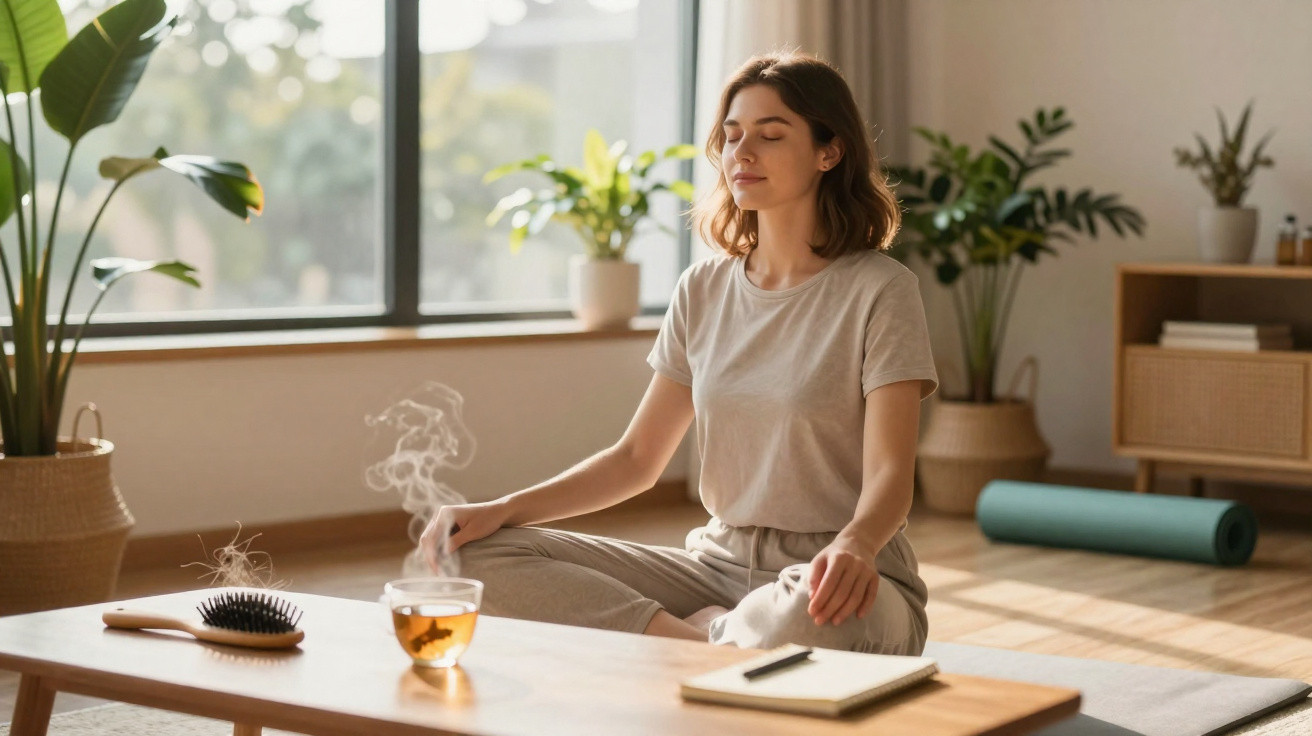
Stress-related hair loss is becoming increasingly common, but approaches such as yoga and meditation can help lessen the effects of stress and support healthier hair.
How can stress really cause hair loss?
When the body is exposed to intense stress for a prolonged period, hormonal balance can be disrupted. This can push hair follicles into the shedding phase earlier than usual, leading to increased hair loss weeks - or even months - after the most stressful period.
This pattern, known as telogen effluvium, is often temporary. Even so, recovery typically depends on reducing the triggers and adopting habits that promote physical and emotional wellbeing.
Which everyday habits help strengthen hair?
Alongside relaxation practices, a few straightforward routine changes can support the scalp and hair. Combining several healthy habits usually delivers steadier, longer-term results.
Key recommendations include:
- Sleeping between seven and nine hours each night.
- Keeping a balanced diet, rich in vitamins and protein.
- Doing regular physical activity.
- Avoiding excessive chemical treatments on the hair.
- Setting aside a few minutes each day for meditation or breathing exercises.
How do yoga and meditation support hair health?
Regular yoga and meditation can help lower cortisol levels, a hormone closely linked to stress. With the body in better balance, overall functioning tends to improve - which can also support the natural hair growth cycle.
Beyond their calming effect, these practices can improve sleep quality, ease anxiety, and encourage a healthier routine. Although they are not a direct treatment for hair loss, they can be valuable allies during recovery.
When should you seek medical help for hair loss?
Not all hair loss is caused solely by stress. Hormonal changes, nutrient deficiencies, autoimmune conditions and genetic factors can also play a role.
If shedding continues for several weeks, increases rapidly, or is accompanied by visible thinning patches on the scalp, an assessment with a dermatologist is essential to identify the cause and recommend the right treatment.
Managing stress also protects overall health
The benefits of keeping stress under control extend well beyond hair appearance. Emotional balance influences immune function, cardiovascular health, and even your ability to concentrate on day-to-day tasks.
Making space for regular relaxation can be an investment in quality of life. When combined with medical support where needed, yoga and meditation can form part of an effective strategy to protect hair health.
















Comments
No comments yet. Be the first to comment!
Leave a Comment