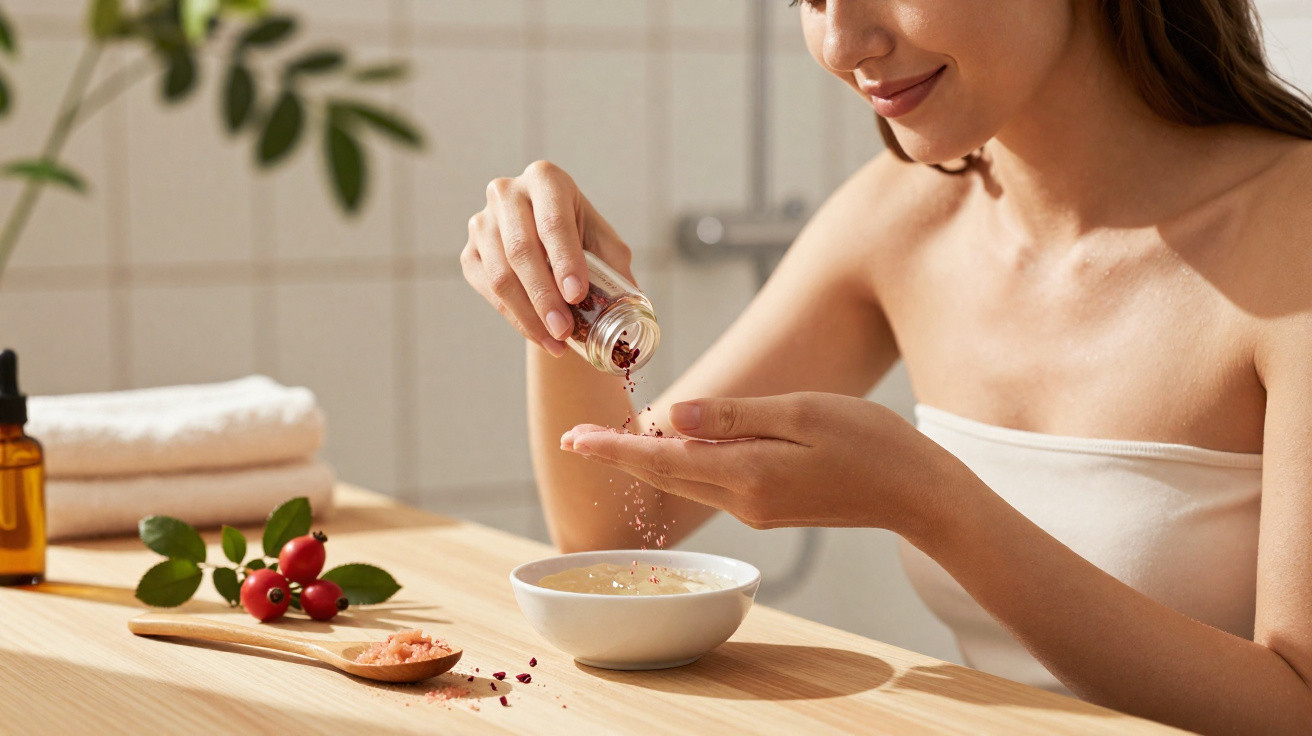
A bio exfoliant made from rosehip seed powder is currently attracting plenty of attention on beauty forums and at Aroma-Zone. Users report smoother skin, less noticeable pores and a visibly more radiant complexion – all from a single pure ingredient that can be blended at home as needed.
Why skin looks dull – and what exfoliation can actually achieve
Skin can soon appear grey and tired, particularly during winter or stressful periods. The explanation is usually straightforward: dead skin cells, sebum and dirt build up on the surface. This reduces how well the skin reflects light, makes pores look blocked and causes small blemishes to stand out more.
“Anyone who regularly, yet gently, removes dead cells from their skin can bring out more radiance from their natural complexion – with no filter required.”
This is precisely where an exfoliant comes in: it removes the uppermost layer of dead cells and stimulates the renewal process. Mechanical exfoliants – products containing fine grains – work like very gentle sandpaper to smooth uneven texture. The key is finding an option that is effective enough to work while remaining mild enough not to put the skin barrier under strain.
The trending product: Aroma-Zone rosehip seed plant exfoliant
At the centre of the trend is a plant-based organic exfoliant made from ground rosehip seeds, sold by Aroma-Zone as a pure powder. Rather than a ready-made formula containing fragrance, emulsifiers and preservatives, it is a “raw material” that can be combined with other basic products in any way you choose.
The grains perform two functions at once:
- Mechanical exfoliation: Finely milled particles lift away dead skin flakes and help clear congested pores.
- Toning effect: Rosehip is known for its revitalising properties, which can leave the complexion looking fresher.
It is this combination that makes the powder so appealing to many people: it is intended not only to smooth the skin, but also to make it look more radiant, without a long INCI list.
Creating a personalised exfoliant: mix it rather than buy it ready-made
The powder’s biggest appeal is the level of control it offers. How intense should the exfoliation be? Would you prefer a creamy or gel-like consistency? Is it for the face or body? It all depends on the base you blend with the powder – as well as the amount you use.
Simple face recipes with rosehip seed powder
For facial use, users recommend choosing a very small quantity and a gentle base. Common combinations include:
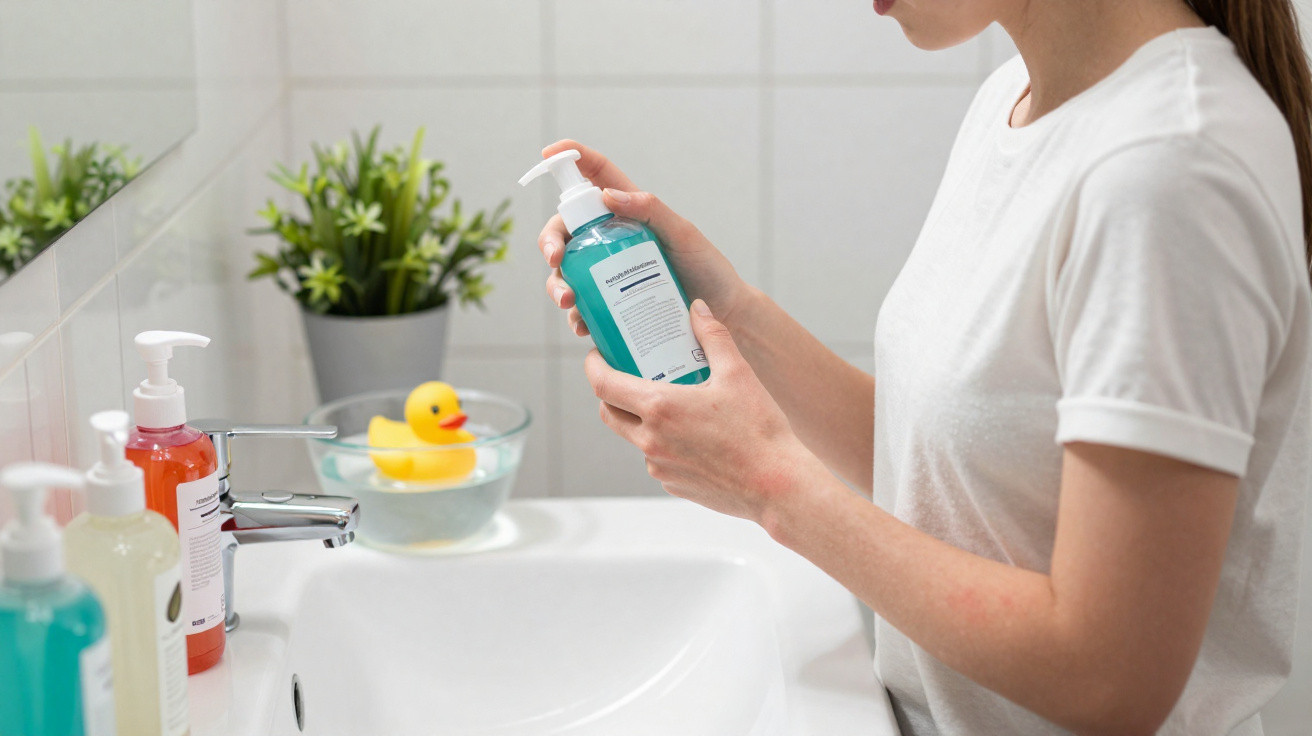
- With cleansing gel: Add a pinch of powder directly to the facial cleanser already dispensed into your hand, massage it briefly over the face, then rinse.
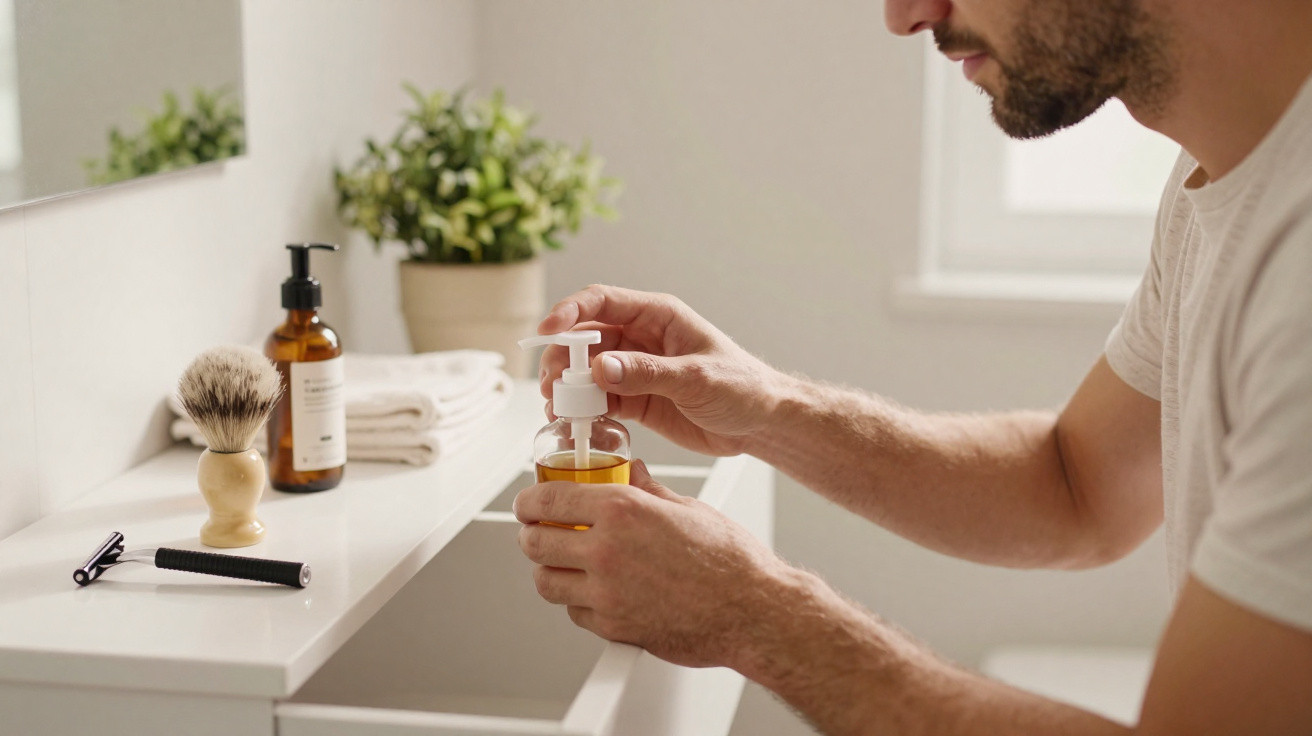
- With facial oil: Mix a little powder with a few drops of jojoba or almond oil in the palm of your hand, massage onto slightly damp skin, then remove with lukewarm water and a flannel.
- With aloe vera gel: Those who enjoy a fresh, cooling texture can combine the powder with aloe gel – ideal for combination skin and skin stressed by sun exposure.
The benefit of this DIY approach is that the intensity can be increased gradually until you find your own “sweet spot” – from barely noticeable to a clearly scrub-like feel.
A more intensive body exfoliant
Body skin generally copes with more friction than facial skin. The powder is therefore typically used a little more generously here. Popular options include:
- With neutral shower gel: Blend it into shower gel in your hand and use it as you would a standard shower foam.
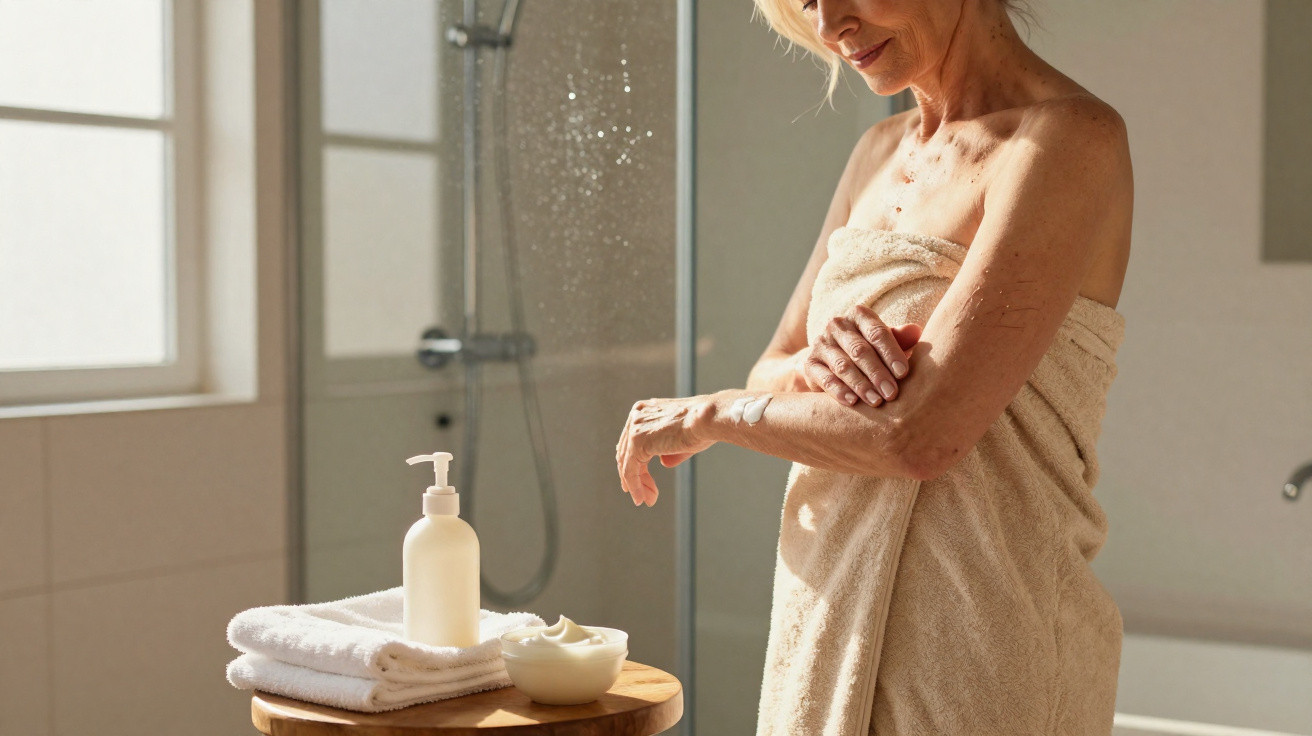
- With coconut or plant oil: Oil and powder create a rich exfoliant that also conditions the skin – particularly suitable for dry legs and arms.
- In a bath exfoliant: Combine it with Epsom salt and essential oils for a spa-like ritual in the shower.
Those who enjoy making their own products can go one step further by creating soap bars with an integrated exfoliating effect, stirring the powder into so-called “melt and pour” soap bases.
How satisfied are users really? A look at the reviews
On the French platform Beauté Test, the rosehip exfoliant averages 4 out of 5 stars from almost one hundred reviews. The comments present a clear picture: most users see a genuine before-and-after effect.
“Many report a ‘baby-skin feeling’, refined pores and a noticeably fresher complexion – often after just a few uses per week.”
Typical feedback includes:
- skin feeling noticeably softer after cleansing
- pores appearing tighter, especially around the nose and chin
- blackheads and small blemishes being easier to remove
- the complexion looking more even and somewhat more “awake”
Notably, many have used the powder for months or even years and highlight just how economical it is. The pack appears to last for ages, as only a very small amount is genuinely needed for each application.
Strengths and weaknesses: where the powder excels – and where it becomes irritating
Despite the enthusiasm, it is worth taking a critical view. Users especially praise three aspects:
| Advantage | What users appreciate about it |
|---|---|
| Pure formula | Just one plant-based ingredient, with no fragrance or preservatives. |
| Flexible use | Can be paired with cleansers, oils and lotions – suitable for both face and body. |
| Value for money | Considerably cheaper than luxury exfoliants while being exceptionally long-lasting. |
At the same time, certain criticisms come up repeatedly:
- Packaging: Many find sachets or screw-top pots impractical, as a small spatula or spoon is needed and it is easy to spill some of the powder.
- Handling: A ready-made exfoliant from a tube is more convenient; mixing it takes time and requires a little routine.
- Dosage: The grains are fine, but at too high a concentration they can feel overly abrasive – especially on thin, sensitive skin.
“The consistent message across all reviews: the product can do a lot, but it demands a delicate touch – quite literally.”
Risks and limitations: who is the exfoliant really suitable for?
As tempting as the glow effect may sound, mechanical exfoliants are not tolerated by every skin type. Dermatologists often advise caution for very sensitive skin, skin prone to rosacea or inflamed acne-prone skin, as friction may encourage redness and micro-injuries.
Anyone wanting to try this powder should begin with a tiny amount and exfoliate only once a week at first. Redness, stinging or intense tightness are warning signs. In that case, either reduce the frequency, dilute the grains even more or switch entirely to gentler alternatives, such as enzymatic exfoliants.
More radiance: what else affects the complexion besides exfoliation
The powder can achieve a lot, but it is not a miracle cure for ongoing stress and junk food. The original French page points to several factors that can actively hold the complexion back:
- Stress: Prolonged strain raises cortisol levels, slows cell regeneration and can leave skin looking grey and fatigued.
- Too little fluid: Dehydrated skin becomes uneven, dead flakes accumulate more quickly and light is reflected less effectively.
- Diet: Foods high in sugar and fat can promote inflammation, while vegetables, fruit and omega-3 fatty acids have a positive influence on skin appearance.
- Blue light from screens: Early studies point to oxidative stress in skin cells – similar to that associated with UV radiation.
- Dry central-heating air: Rooms with low humidity continually draw water from the skin, leaving it rough, flaky and dull-looking.
For long-term benefits, it therefore makes sense to combine a considered skincare ritual with sufficient water, a nutrient-rich diet and some degree of stress management – sometimes even a regular walk without your phone can be enough.
Practical tips for everyday DIY exfoliation
A few simple habits can help you get the most from rosehip powder:
- exfoliate only on clean, slightly damp skin
- use an extremely light touch, particularly on the face
- avoid the eye area and any broken skin
- always apply hydrating skincare after exfoliating
- do not use it more than once or twice a week
For many, this combination of gentle exfoliation and consistent hydration acts like a reset for the complexion. Anyone keen to create a small “beauty laboratory” in the bathroom will find the Aroma-Zone exfoliant an affordable starting point – with the potential for noticeably greater radiance, smoother skin texture and more control over their own skincare routine.






Comments
No comments yet. Be the first to comment!
Leave a Comment