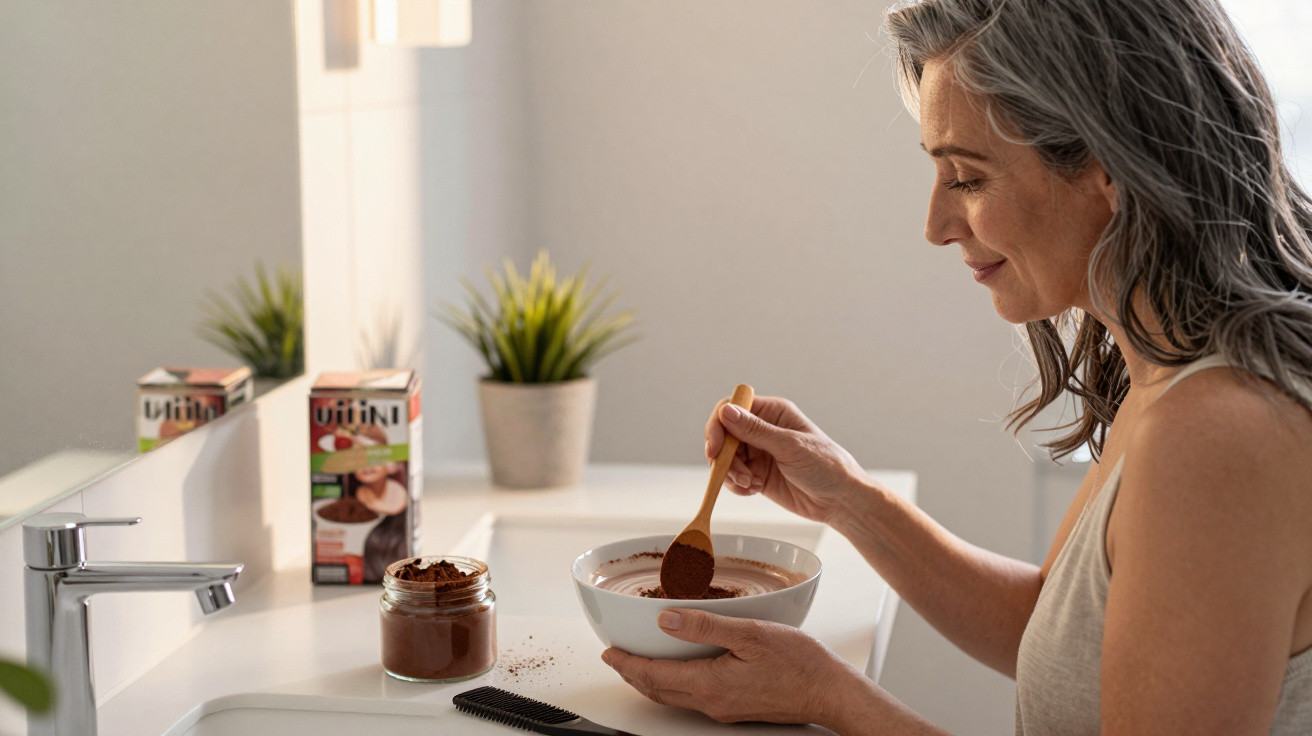
Grey strands can appear gradually, until one day they seem to be the only thing visible in the mirror.
Many people quickly turn to hair dye, only to regret the decision later.
An increasing number of women and men are thinking twice before arranging a colour appointment. Chemical dyes demand money and time, and can sometimes affect hair health. Yet going entirely silver does not appeal to everyone. A kitchen-cupboard technique using cocoa powder has become part of the growing “soft tinting” trend, offering the prospect of darker, shinier hair without the familiar drawbacks of salon colouring.
The growing resistance to conventional grey hair dyes
For years, the response to a first grey hair was almost instinctive: pull it out and arrange a dye appointment. That habit is now beginning to change. Dermatologists are seeing more patients reporting irritation, breakage or allergic reactions associated with frequent colouring treatments.
Grey hair has different characteristics from hair that still contains pigment. When melanin production decreases, hair fibres can become drier, rougher and more porous. Traditional dyes need to penetrate this more delicate structure. They do so with ammonia or comparable ingredients that lift the cuticle, alongside oxidising compounds that set the colour.
On ageing, fragile hair, the same chemicals that give an even colour can speed up breakage, dullness and thinning.
Some people choose “natural” boxed dyes instead, but may discover uneven coverage or colour that fades after only a few washes. Henna and other plant-derived colours can be useful in some situations, although the shade range is restricted and results commonly vary according to the original colour and previous hair treatments.
The space between strong salon chemicals and disappointing “gentle” alternatives has opened the door to hybrid options. The cocoa-and-conditioner approach belongs in this space: it is not a substitute for professional colouring, but it can provide a milder way to shift grey hair towards a richer shade.
Cocoa for grey hair as a gentle colour enhancer
Cocoa powder has uses beyond flavouring desserts. Raw or lightly processed cocoa contains natural pigments and polyphenols that lightly adhere to the surface of hair. Combined with a creamy base, such as conditioner, it creates a temporary tint that may soften the contrast between grey and deeper-coloured strands.
Cocoa behaves less like a permanent dye and more like a tinted treatment: it slightly deepens colour while feeding dry, wiry greys.
Cocoa also contains fatty acids and antioxidant compounds that may help make coarse hair fibres feel softer. Grey hair can be rigid and difficult to manage, so this added suppleness may be beneficial. After several applications, many users say their hair looks shinier and is easier to style.
There is a practical benefit too, particularly for those watching their spending. Cocoa powder is found in many kitchen cupboards, is inexpensive for each application and needs no gloves, specialist bowls or precise processing times of the sort required by conventional dyes. This ease fits with the wider DIY beauty trend, driven by social-media tutorials and financial pressure.
What cocoa can realistically do for grey hair
Cocoa cannot change white hair to jet black, nor can it create the crisp, even finish of salon colour. Its effect is closer to a tinted gloss. Results depend heavily on the starting hair colour and on how regularly the treatment is repeated.
- On pale grey or salt-and-pepper hair, it may create a gentle brown cast and make the contrast less striking.
- On medium-brown hair with scattered grey strands, it can help the lighter hairs blend more effectively.
- On very dark hair, the change in colour can be slight, although shine and depth often improve.
As the tint largely remains on the outer layer of the hair, it diminishes with every wash. Many people use it weekly or fortnightly as a treatment, rather than following a rigid colouring routine.
How to combine cocoa with conditioner
The method circulating on beauty forums is relatively straightforward. Your usual conditioner acts as the base that carries the cocoa pigments.
Step-by-step guide
Begin with freshly washed, towel-dried hair. Shampoo normally, then press out excess water so that the mixture can adhere properly.
- Use a small bowl or a clean container.
- Add several tablespoons of your normal conditioner.
- Gradually stir in pure, unsweetened cocoa powder until the mixture becomes a smooth, thick, chocolate-brown cream.
- Mix thoroughly to remove any lumps, as these may cling unevenly to individual strands.
The precise quantities vary with hair length and density, but a typical starting guide is:
| Hair length | Conditioner | Cocoa powder |
|---|---|---|
| Short | 2–3 tbsp | 1–2 tbsp |
| Medium | 4–5 tbsp | 2–3 tbsp |
| Long | 6–8 tbsp | 3–4 tbsp |
Gloves are not essential, although cocoa may lightly stain beneath the nails, which is why some people choose to wear them.
Application and timing
Divide your hair into sections to keep grey areas accessible. Apply the cocoa-conditioner blend from roots to ends with your fingers or a colour brush, concentrating on the most noticeable silver areas around the face and along the parting.
Leave the mixture on for around 20 minutes to give the pigments time to settle on the cuticle, then rinse with lukewarm water.
Very hot water may remove more product, whereas cold water might not rinse away all residue. A gentle lukewarm rinse provides a balance between comfort and how long the result lasts.
After rinsing, style your hair as normal. Some people find that their greys feel softer straight away and appear gently darker. For others, the effect becomes more noticeable after two or three treatments, carried out a few days apart.
Potential benefits and limitations of this “magic” trick
The appeal of this technique comes from several factors: reduced risk, low cost and conditioning properties. It avoids peroxide and ammonia, both common causes of scalp reactions. It also relies on conditioner, a product already used on hair and generally milder than dedicated dye developers.
Cocoa’s moisturising qualities offer an additional benefit for ageing hair. Grey fibres frequently experience frizz, flyaways and a dull appearance. A coloured mask that also hydrates may tackle two issues at once: strand colour and hair texture.
- Works more like a gloss than an intensive dye.
- Can be reapplied regularly without a substantial build-up of damage.
- Slots easily into a weekly haircare routine.
There are also drawbacks. Particularly resistant grey hair may take on only a very slight change, especially at the roots. People with very oily scalps could find this conditioner-based treatment too rich, potentially leaving roots flat when used too frequently. Anyone with light blonde or highlighted hair should test it with care, since excessive use can create a beige or slightly muddy cast.
Patch testing, allergies and who should take care
Natural is not automatically risk-free. Cocoa is plant-derived, and certain people react to plant proteins. A patch test is sensible for anyone with a history of food allergies, eczema or scalp sensitivity.
Place a small amount of the cocoa-conditioner blend behind the ear or on the inner arm. Keep it there for 20 minutes before rinsing, then monitor the area for 24 hours. Redness, itching or swelling indicates that the method should be avoided, or that advice should first be sought from a dermatologist.
Those who have psoriasis or active scalp conditions should proceed carefully too. Rich, occlusive products can sometimes worsen flare-ups. A trichologist or dermatologist can help determine whether a tinted mask of this kind is suitable within a treatment plan.
How the cocoa trend fits the wider grey hair discussion
The cocoa technique has emerged while views on grey hair are changing quickly. Public figures who confidently show their silver hair have helped normalise something once considered taboo. Still, many people do not want to make an extreme choice between complete coverage and fully embracing grey hair.
Soft tinting methods such as cocoa masks offer a middle ground: you keep your natural pattern but turn down the contrast that bothers you the most.
This reflects a wider beauty shift towards “tweakments” rather than transformations. Rather than renewing colour every four weeks with an all-over dye, more people are trying semi-permanent glazes, root-touch pens, tinted masks and carefully placed highlights that work with their natural greys.
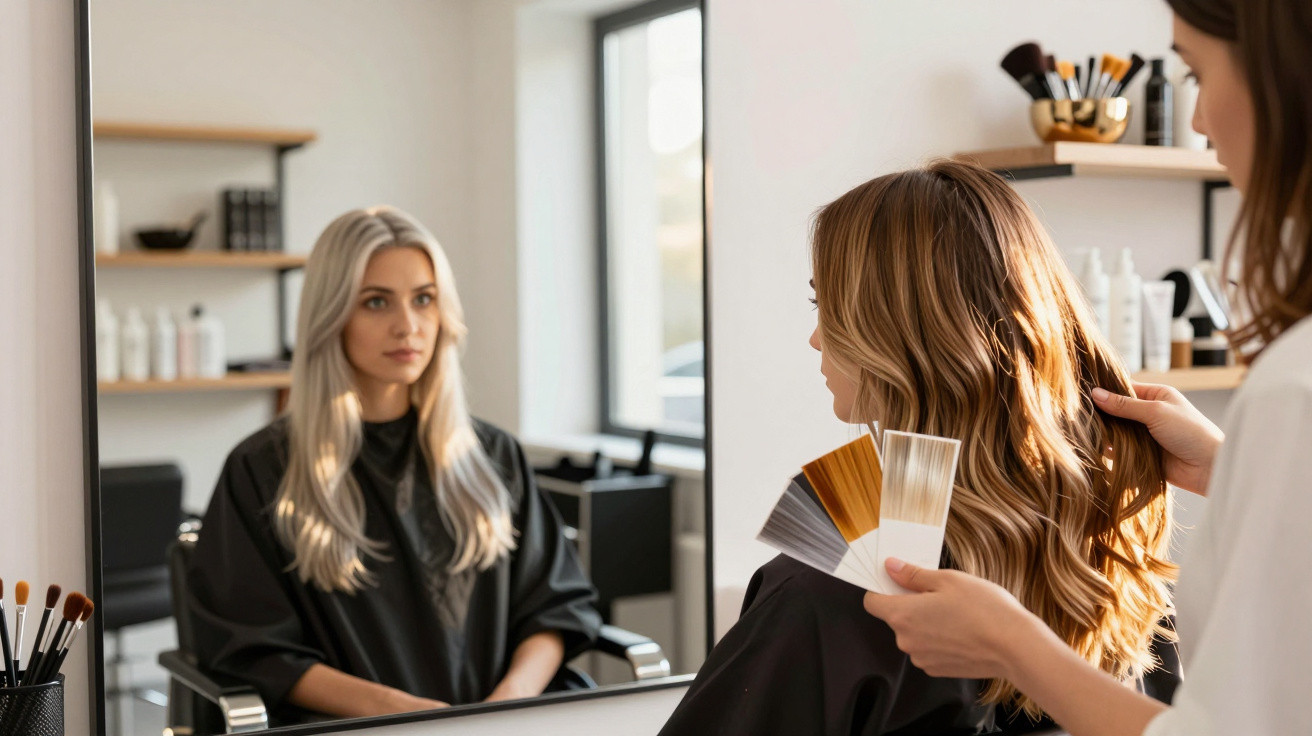
For anyone interested in altering their routine, hair professionals often suggest a straightforward experiment: live with natural regrowth for several weeks while using only lower-risk options, including cocoa masks or coloured conditioners. This pause makes it possible to judge how much coverage is genuinely wanted, how hair behaves without intensive chemicals and which parts of the head really require attention.
People who return to salon colour after this break often ask for gentler approaches, including lowlights, reverse balayage or partial glosses, instead of permanent all-over dye. Simple though it is, the cocoa-and-conditioner method sits comfortably within this more adaptable and less rigid approach to managing grey hair.








Comments
No comments yet. Be the first to comment!
Leave a Comment