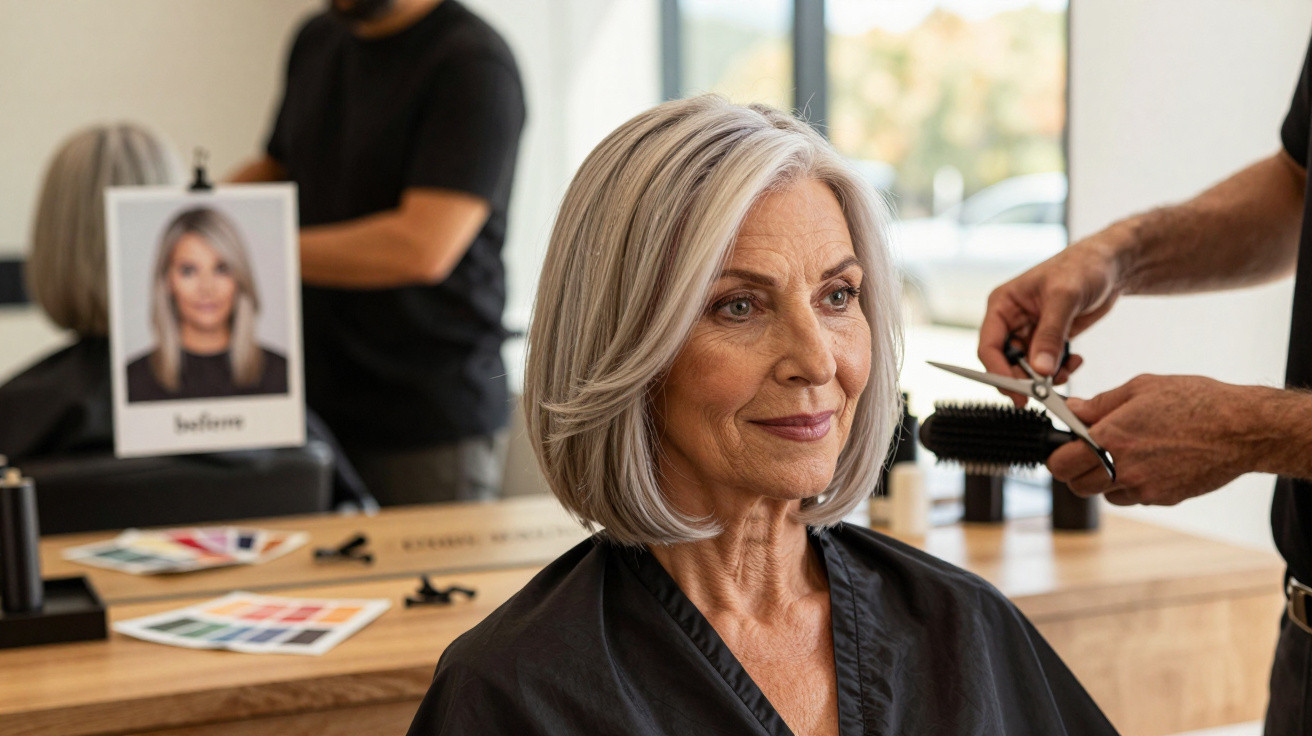
For years, stylists have quietly championed a particular cut for women over 50, even as plenty of clients dismissed the suggestion with an eye-roll.
Now this once “old-fashioned” style is making a major return to salons. Women are surprised - and often privately thrilled - by how effectively it softens their features and can take a decade off their appearance.
The hairstyle everyone mocked… until they saw the photos
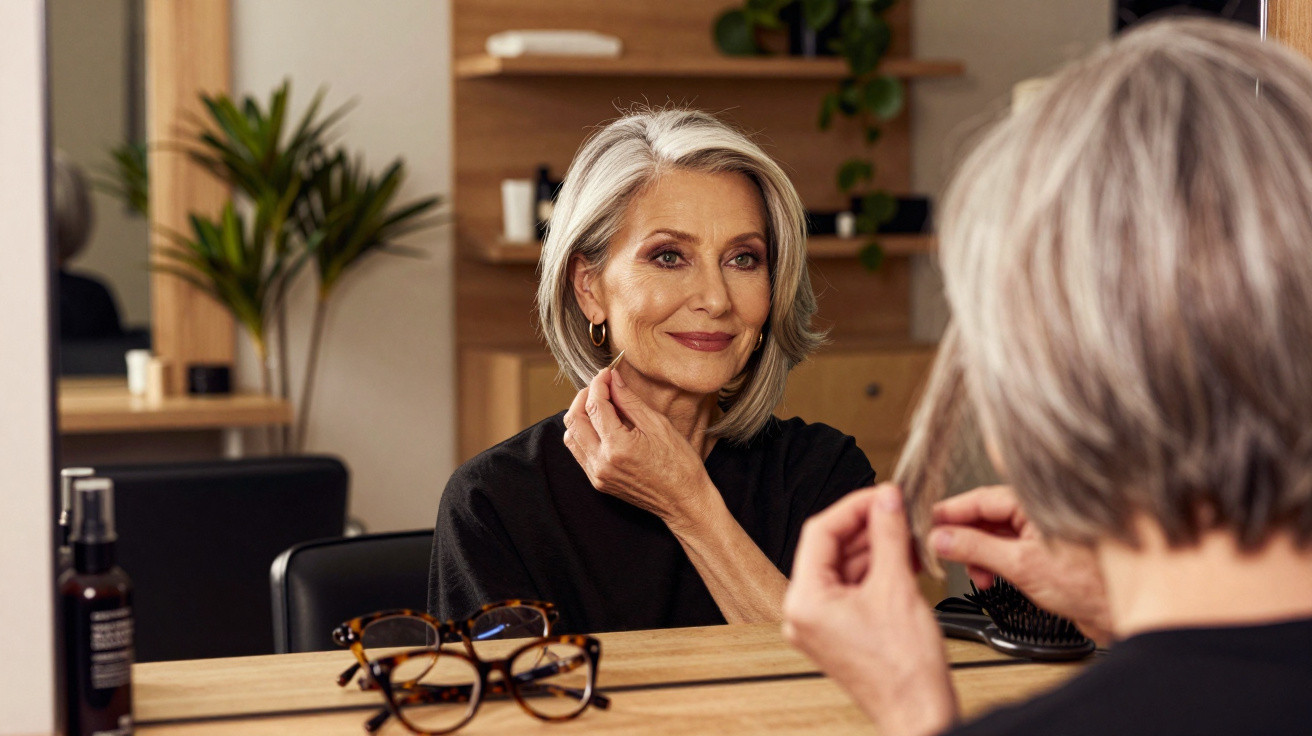
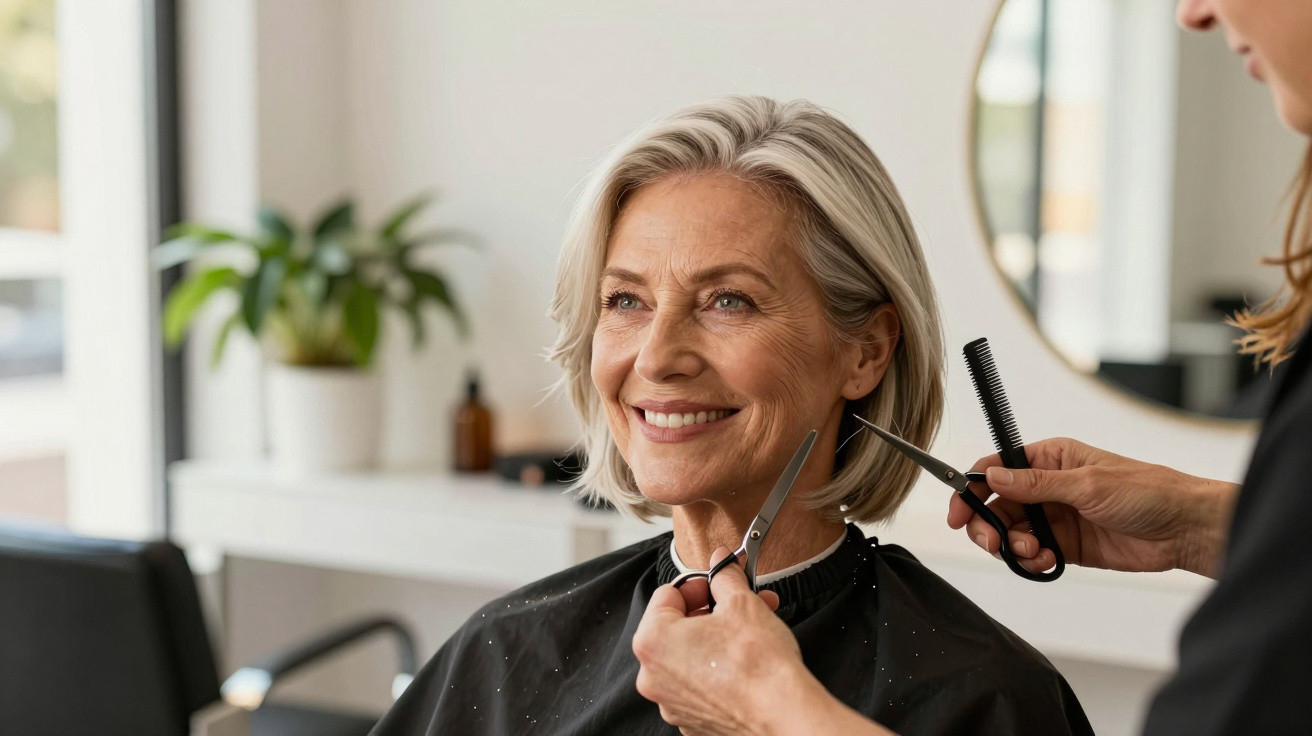
The style is the classic layered bob: sometimes a little longer, sometimes cut to skim the jaw, and frequently finished with soft bangs. For years, it was written off as the standard “mum haircut”, or the inevitable look adopted at a certain age.
Many women saw it as a sign of abandoning long, flowing hair in favour of something practical and, perhaps, dull. But social media and salon before-and-after images have gradually changed that perception.
Stylists report that once women over 50 actually try a modern layered bob, a common reaction is: “Why did I wait so long?”
During consultations, hairdressers still regularly hear: “I don’t want anything that looks like a bob.” However, once they demonstrate how a textured, slightly tousled bob that skims the shoulders can lift the face and define the jawline, attitudes often shift.
Why hairdressers recommend the layered bob after 50
A layered bob meets many of the needs of hair that changes with age. From the mid-40s, hair often becomes finer, drier and occasionally more prone to breakage. Hormonal changes may also reduce fullness at the temples and crown. A style that looked brilliant at 30 can unexpectedly start to appear limp or lacking in shape.
Rather than fighting these changes, the layered bob is designed to work with them. It creates volume and movement, particularly around the cheeks and at the crown. Lifting weight away from the ends allows hairdressers to minimise the appearance of thinning and give hair a fuller-looking finish.
The secret is in the soft, strategic layers that create lift without leaving gaps, giving the illusion of thicker, healthier hair.
A shorter cut also removes weight that can pull facial features downwards. Long, heavy hair may draw attention to sagging around the jaw and neck. A bob sitting anywhere from the jaw to the collarbone flatters the neckline, can make posture seem straighter and gives the skin a more luminous appearance.
How this “outdated” cut shaves ten years off the face
Hairdressers often refer to the visual balance created by a cut. After 50, the aim is generally not to recreate the appearance of being 20, but to refresh the frame around the face. This is precisely where the layered bob performs well.
- It adds movement and light around the cheekbones.
- It reduces the effect of long, tired-looking facial proportions.
- It directs focus towards the eyes and away from fine lines on the lower face.
- It may soften a pronounced jaw or give a softer jaw more lift.
Combined with a soft, wispy fringe or side bangs, the cut can make forehead wrinkles and frown lines appear less noticeable. The fringe works like a gentle filter, while the layers flow naturally into the remainder of the style.
Modern layered bob styles that don’t feel “mumsy”
The bob’s unfavourable reputation often stems from older, more rigid interpretations: chunky blunt ends, severe angles or tightly blow-dried styles with hardly any movement. Today’s youth-enhancing version is considerably softer.
Stylists often mention the “French bob”, “shaggy bob” and “lob” - the long bob that reaches the collarbone. Each has a relaxed, slightly undone finish in common.
| Bob style | Length | Best for |
|---|---|---|
| Classic layered bob | Jaw to mid-neck | Fine to medium hair, oval or heart-shaped faces |
| Shaggy bob | Chin to collarbone | Thicker or wavy hair, women wanting a relaxed, rocker feel |
| Lob (long bob) | Collarbone to just above shoulders | Those nervous about going shorter, round faces needing length |
| Curly bob | Depends on curl spring | Natural curls needing shape and definition without bulk |
The overall finish is lighter, with textured ends and styling that lets the hair move naturally. Consider air-dried waves, a fast blow-dry using a round brush, or a few passes with straighteners simply to smooth the top layer. The effect looks current rather than dated.
Why women resist it – and why they change their minds
Haircuts can carry an emotional weight, particularly after 50. For many women, long hair is connected with femininity or with continuity from their younger years. Cutting it may feel like acknowledging that something has changed.
Stylists commonly encounter three key concerns:
- Fear of appearing older or “sensible”.
- Unpleasant memories of a harsh bob worn years earlier.
- Concern that shorter hair will take more effort to style.
In practice, though, the experience frequently reverses those worries. Shorter hair with layers usually dries more quickly and reacts better to lightweight styling products. Many clients say they spend less time at the mirror, yet receive more compliments.
Plenty of women say friends assume they have had “something done” to their face, when the only change is a modern bob and a lighter colour.
How to ask for the right cut in the salon
Entering a salon and asking simply for a “bob” can result in confusion. Hairdressers recommend arriving with two or three reference photographs that illustrate your preferred length, layers and texture.
At your consultation, explain:
- How much time you genuinely want to devote to styling each morning.
- Whether you regularly use heated tools or would rather let your hair air dry.
- Any thinning areas or cowlicks that are difficult to manage.
- How at ease you feel about having bangs or a fringe.
A skilled stylist will tailor the bob to suit your face shape. Rounder faces often suit a marginally longer lob, with delicate layers that create length. Square faces tend to benefit from softer edges and movement around the jaw. Heart-shaped faces can look more balanced with volume at the chin and a side parting.
Colour tricks that boost the rejuvenating effect
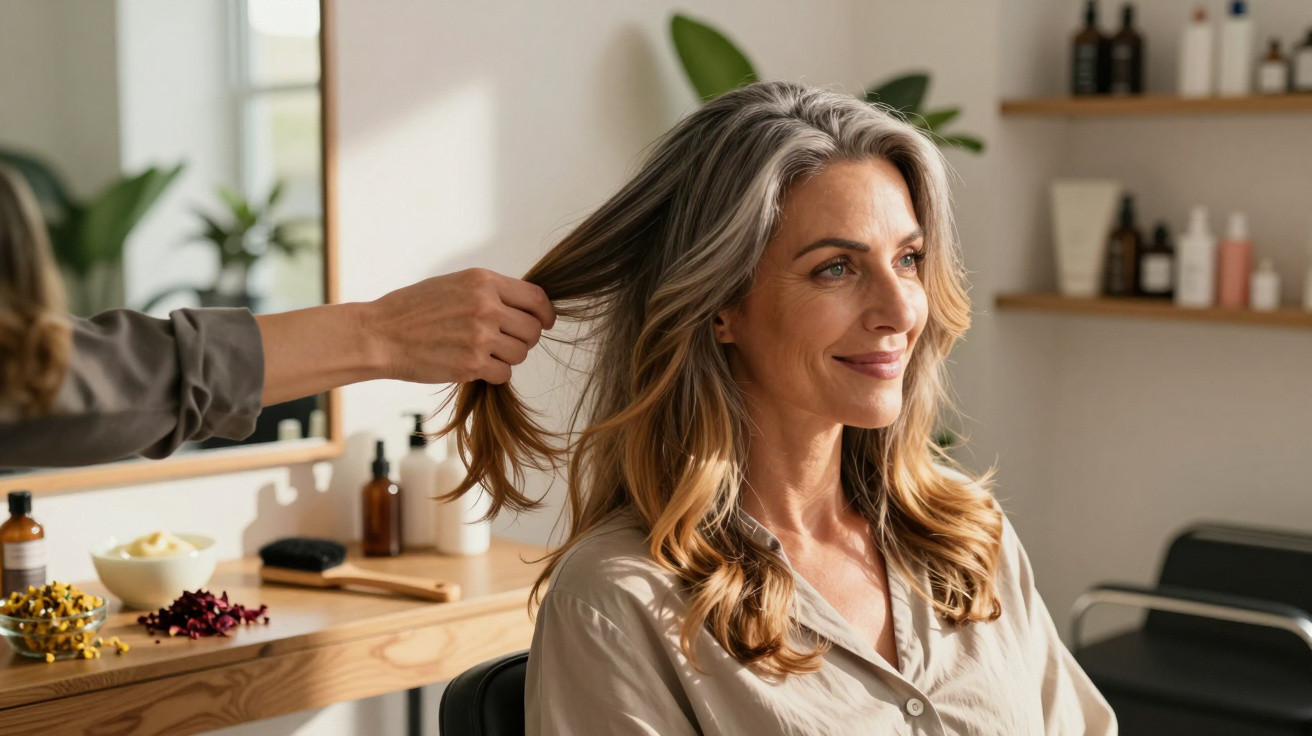
The cut itself can achieve a great deal, though colour can enhance the youthful result even further. Flat, harsh all-over shades can make the style look less dimensional. Soft highlights or lowlights add depth, allowing the layers to stand out.
Hairdressers often recommend:
- Gentle caramel or honey shades for brunettes.
- Creamy, warm blondes instead of icy tones for fair skin.
- Subtle copper or rose shades for anyone willing to make a bolder change.
Dimensional colour combined with a layered bob can mimic the way light naturally hits younger, thicker hair.
Care, maintenance and realistic expectations
A bob intended to remain fresh and youthful requires regular reshaping. Most stylists suggest a trim every six to eight weeks to preserve its line. Allowing it to grow too long can weigh the style down and lessen root volume.
A few habits at home can make a noticeable difference:
- Apply a lightweight volumising spray at the roots rather than heavy mousses.
- Keep high heat to a minimum and always use heat protection.
- Sleep on a silk or satin pillowcase to limit frizz and breakage.
- Massage your scalp regularly to encourage circulation.
Women with curly or coily hair will often require a slightly different method. A curly bob needs to account for “shrinkage” - hair that appears long while wet may spring up significantly once dry. Cutting curls while dry, or at least reviewing the shape during drying, helps prevent unexpected results.
Common hair terms you might hear in the chair
Salon terminology can feel confusing, especially when your last significant haircut was years ago. Several terms are frequently used when discussing this style:
- Layering: Hair sections are cut at varying lengths to create movement and shape.
- Texturising: Techniques applied within the hair or at the ends to remove bulk and produce a softer result.
- Face-framing pieces: Shorter front sections that contour the face and draw attention to the cheekbones.
- Blunt line: A very straight, solid edge with no graduation; modern rejuvenating bobs usually avoid this along the whole perimeter.
Asking your stylist to describe every stage can help you understand what works and why, allowing the cut to be adapted at your next appointment if necessary.
Imagining the change before you pick up the scissors
For anyone who remains uncertain, a simple simulation can make the choice feel less intimidating. Many salons now use apps and phone photographs to provide a rough idea of how different lengths and fringes may look. Although they are not perfect, these images can help establish whether a chin-length or collarbone-length bob feels more appealing.
Another option is to make the change gradually: cut long hair into a lob first, wear it for a few weeks, then choose a shorter length if you enjoy the result. A fringe can be added later to refine the rejuvenating effect without changing everything in one go.
The key idea behind this “outdated” hairstyle is not rules about age, but using cut and movement to reflect how you want to feel now.
For some women, this involves embracing silver strands with a softly layered bob that highlights them. For others, it means blending colour, fringe and texture for a cleaner, more polished finish. The formerly criticised bob has evolved to suit all these possibilities - and that, rather than nostalgia, is why so many hairdressers continue to recommend it after 50.








Comments
No comments yet. Be the first to comment!
Leave a Comment