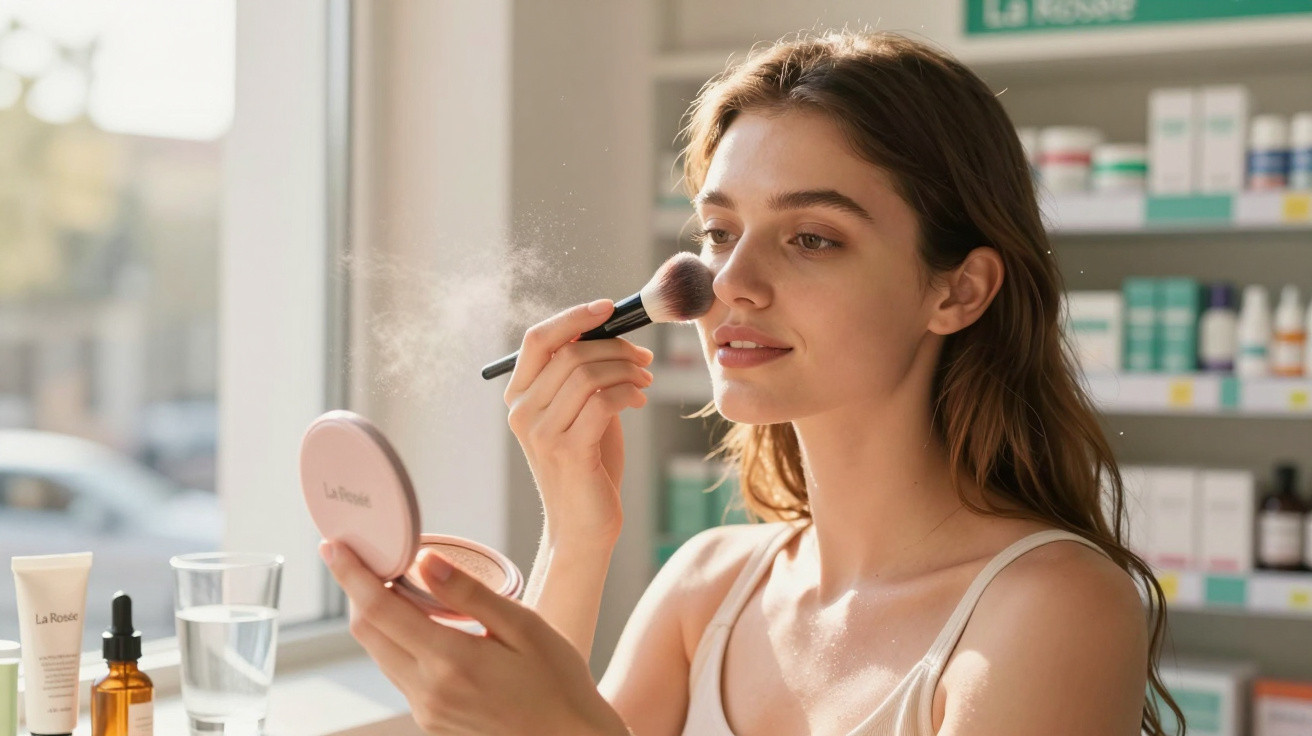
In beauty circles, people have been discussing a new powder for months, with claims that it has even displaced many users’ favourite foundation. The brand promises a product that combines skincare with make-up, relies entirely on natural pigments and is in such demand that one compact is reportedly sold over pharmacy counters every 20 seconds.
Skincare rather than layers of make-up: the trend powder explained
La Rosée, a brand previously known chiefly for facial skincare, has achieved an unexpected hit with its compact powder formula. Rather than being a conventional, heavy powder, it is designed as a complexion product that works like skincare while instantly enhancing the appearance of the skin.
According to the manufacturer, the texture delivers several benefits in one step: it is intended to even out the complexion, mattify shiny areas, make pores appear smaller and blur minor imperfections. Despite these effects, the product promises a comfortable, non-mask-like finish for up to eight hours.
“A powder that covers like make-up, cares like a cream and feels like almost nothing on the skin – with natural pigments and a pharmacy image.”
Its particular appeal lies in its explicit positioning as skincare make-up. It is meant to do more than provide coverage: it should also support the skin barrier, retain moisture and keep shine under control. This combination plays directly into one of beauty’s biggest trends: fewer layers and greater multifunctionality.
How the La Rosée powder formula is composed
Its ingredient list contains several components intended to work together in a targeted way:
- Mica: A mineral ingredient designed to bring out the skin’s natural glow without creating coarse sparkle.
- Zinc PCA: An ingredient with sebum-regulating properties, popular for combination and oily skin.
- Upcycled rice starch: Provides a soft-focus, mattifying result and absorbs excess sebum.
- Hyaluronic acid: Helps the skin retain moisture so that the powder does not feel drying.
- Organic plant oils: Intended to support skin suppleness and prevent feelings of tightness.
The brand states that its colour pigments are 100 per cent naturally derived. The product is described as non-comedogenic, meaning that, according to the manufacturer, it does not clog pores. Its price is also notably competitive for a pharmacy product: around €18.90 for the refillable compact. The case can be opened and fitted with a refill, which is intended to reduce both costs and packaging waste.
What the clinical tests are said to show
La Rosée refers to its own clinical testing involving participants. After the first application, the reduction in skin shine was reportedly clearly measurable, with around 47 per cent fewer visible shiny areas recorded. According to the brand, every participant reported a mattified complexion, a more even-looking skin tone and a visibly smoother-looking surface.
“Reduced shine, a smoother pore appearance, an even complexion – the powder is designed not merely to conceal, but to remain stable-looking throughout the day.”
These figures naturally need to be viewed in context: they are brand-owned data rather than findings from an independent study. Even so, they illustrate how precisely the product targets the effects many users want from daily make-up, but in a lighter, more skin-friendly format.
How to apply powder for a truly even complexion
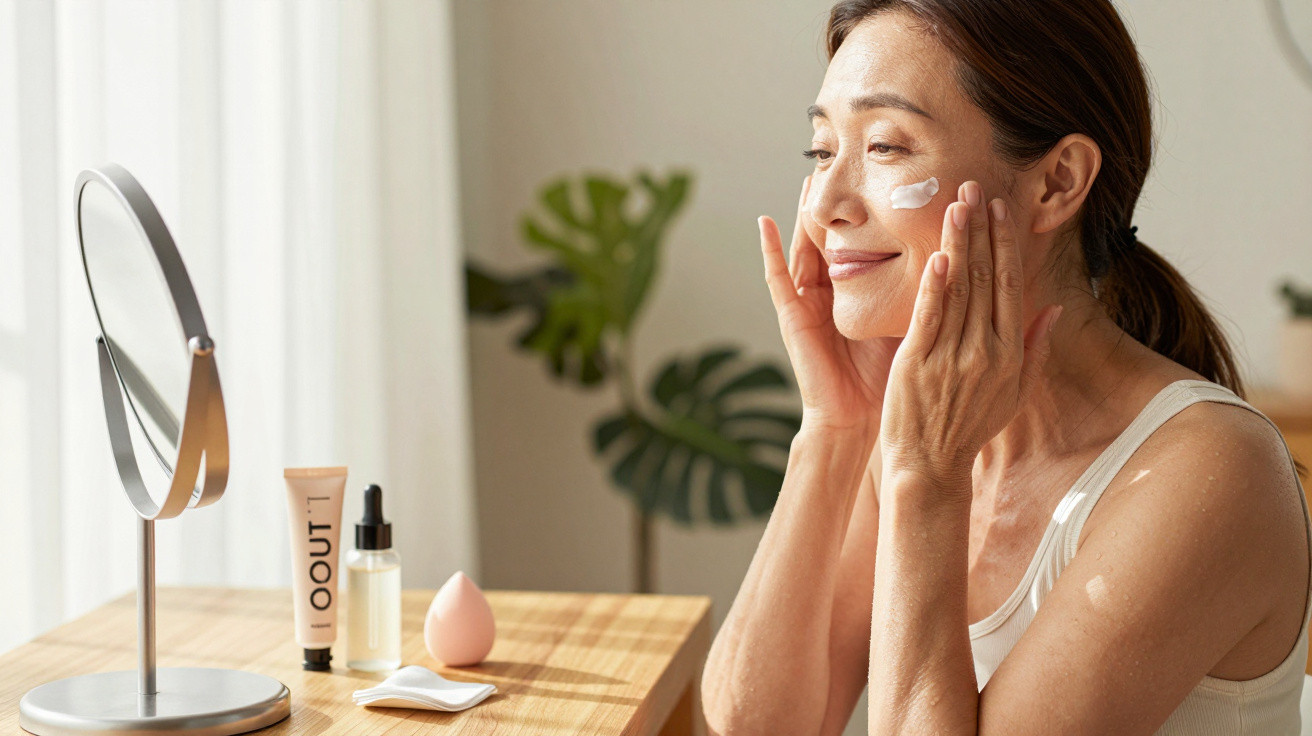
The application process is similar to that of a traditional compact powder, although a few details matter. It starts with well-prepared skin: cleanse thoroughly and apply sufficient moisturiser. If you begin with dry, flaky patches, this product will not create a perfectly smooth finish either.
Then follow these steps:
- Pick up a small amount of product with a clean brush.
- Tap the brush briefly to remove excess powder before it reaches the face.
- Blend from the centre of the face outwards using soft, circular motions.
This allows coverage to be built gradually without forming a thick powder layer. If you only want to even out particular areas, such as redness on the cheeks, shine on the forehead, nose and chin, or small blemishes, the product can be pressed on precisely where needed.
A trick for a “sun-kissed effect”
There is also an option for bronzer fans: the brand recommends choosing a warmer shade and applying it as you would a classic bronzing powder. Use it where the sun naturally hits the face first: along the hairline, over the bridge of the nose, across the cheekbones and on the chin. This creates a “summer-on-the-face” effect without using several separate products.
| Look | Application | Suitable for |
|---|---|---|
| Naturally matte | Apply a thin layer over the whole face | Combination skin, normal skin |
| Targeted correction | Apply locally to redness and blemishes | Blemish-prone skin, sensitive areas |
| Sun-kissed look | Use a warmer shade as bronzer | Pale complexions, summer make-up |
Why so many people are replacing foundation with powder
The increasing popularity of products like this is closely linked to changing beauty ideals. Many people now want skin texture to remain visible rather than filtering away every pore. At the same time, they still want the complexion to look calm, less red and free from greasy-looking shine. For many, heavy, high-coverage formulas no longer fit that approach particularly well.
A lightweight powder that softens irregularities without appearing like a thick layer meets that need. The promise of “natural pigments”, combined with pharmacy positioning, can also inspire confidence among those with sensitive or blemish-prone skin.
“Its success shows how strong the demand is for products that not only apply make-up to skin, but treat it with respect at the same time.”
People who already have an effective skincare routine often use the powder as their final step: day cream or serum, sun protection, then a light veil of this product, in place of liquid foundation followed by an additional powder. This saves time and reduces layers, while for some people it also means avoiding potentially irritating ingredients across several different products.
Who is it suited to, and where are its limits?
The formula is best suited to mild to moderate imperfections: slightly reddened cheeks, fine visible veins, enlarged pores and combination skin with shine in the T-zone. Those wanting to conceal severe acne, very pronounced pigmentation marks or obvious scarring will often find powder alone insufficient. In such cases, it may work better as a setting and refining final step over a light concealer.
There is another consideration: natural pigments and skincare ingredients can also irritate sensitive skin. Anyone prone to reactions should first test the product on a small area or seek advice at a pharmacy. Some people are particularly sensitive to zinc and fragrance, so it is worth checking the full INCI list carefully.
Practical everyday tips for complexion powder
For a powder like this to live up to its promise, the rest of the routine plays an important role. Several strategies can help achieve the best possible result:
- Gentle cleansing: Mild cleansers help stop the skin from becoming dry, which can cause powder to settle on flaky patches.
- A boost of moisture: Lightweight gel creams or fluids underneath powder help the skin look plump rather than dull.
- Do not forget sun protection: Powder is not a substitute for UV protection. Ideally, apply SPF first, allow it to absorb briefly, then use powder.
- Clean tools: Wash brushes regularly, otherwise bacteria can build up and potentially encourage blemishes.
If shine develops during the day, apply more product only to the T-zone rather than repeatedly powdering the entire face. That way, the skin retains a lively appearance without looking greasy. The compact format is practical for a handbag, making touch-ups at the office or after exercise quick and straightforward.
It remains interesting to see how widely this trend for hybrid products will continue to take hold. Many skincare brands are already launching complexion products with a skincare focus: tinted fluids with niacinamide, BB creams with ceramides and powders with hyaluronic acid. For users, this means more choice and an opportunity to combine make-up and skincare in a way that leaves skin not only looking better, but feeling better over the longer term too.






Comments
No comments yet. Be the first to comment!
Leave a Comment