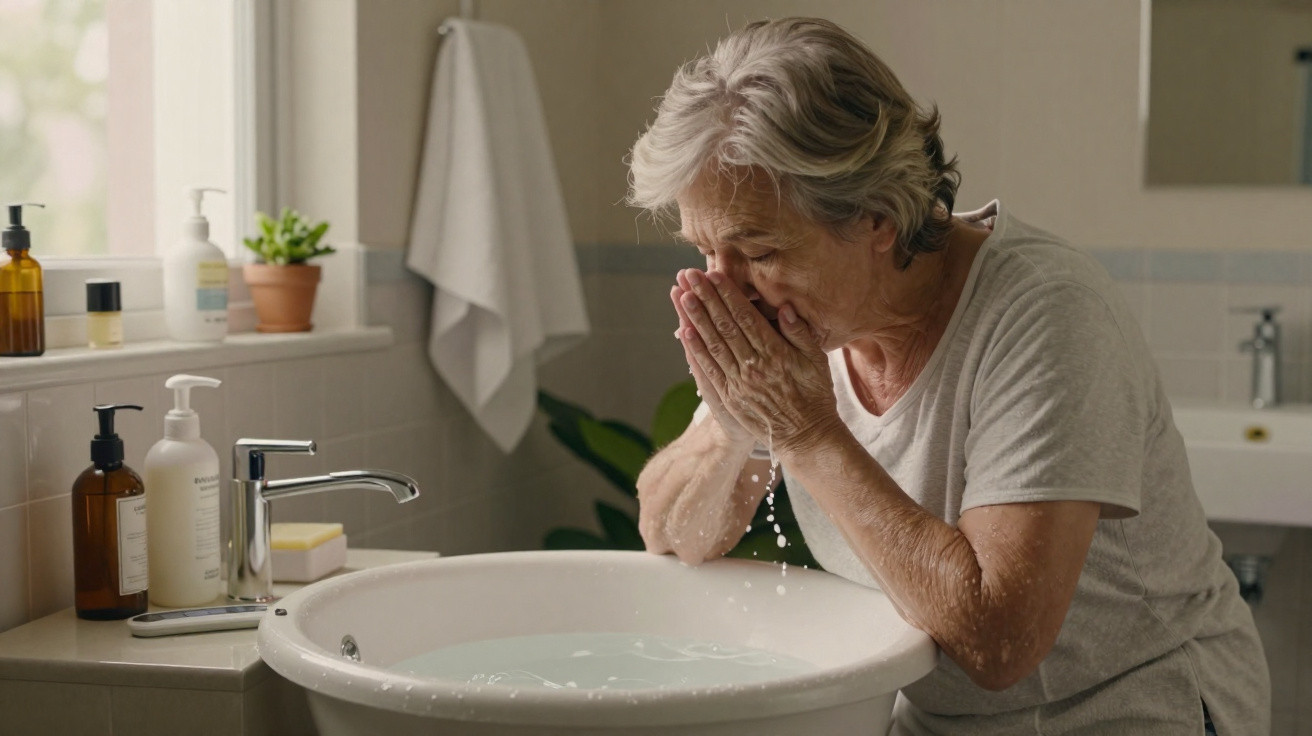
The bathroom is dazzlingly bright, perhaps overly so for 8 a.m., while the shower’s running water reverberates along the hall. Marie, 72, studies the tiled floor and silently adds up the risks: damp feet, a sliding bath mat, and a hip replacement last winter. Fifteen years earlier, she would have climbed in without a second thought, perhaps humming with the radio. Now she chooses a warm flannel, a bottle of mild cleanser and an unhurried wash at the basin. As her daughter walks past, she lifts an eyebrow. “You’re not showering?” she asks, sounding equally concerned and critical, as though missing a daily shower means abandoning yourself. Marie merely shrugs. It is her body and her choice.
Some routines only become understandable once you reach this stage of life.
When hygiene no longer means “daily shower or nothing”
After 65, people’s relationship with water, soap and the morning bathroom routine often shifts without much fuss. Movement becomes slower, skin becomes thinner and balance may be less secure. What was once a quick shower can turn into a minor undertaking. You can see it in an older person’s careful progress: a hand against the wall, then one measured step after another. Yet the social expectation has not changed.
We still murmur that “Grandma doesn’t wash enough” rather than asking how she truly copes with her mornings.
At routine appointments, doctors frequently give the same familiar advice: “Keep good hygiene, stay active, drink water.” It is sensible advice and seems self-evident. Less often said is that showering every day may dehydrate ageing skin, intensify itching or cause tiny splits that can later become infected. Older adults therefore find their own solutions. They clean themselves in stages, have a bath once or twice weekly, or freshen up at the sink. Research across several European countries has indicated that many older people discreetly adapt their washing routine in this way, without making a point of it.
They simply no longer discuss how regularly they shower.
An unspoken compromise is at work. Society celebrates the picture of a “clean, well-groomed” retired person attending the gym and living like a 40‑year‑old with extra spare time. Meanwhile, the body issues different instructions: drier skin, reduced perspiration, increased tiredness and a greater fear of falling. This is physiology, not laziness. Sweating less can mean less odour, reduced skin oil can lead to more irritation, and prolonged hot showers remove the skin’s protective oils. The old idea of “once a day or you’re dirty” is not especially suited to this changed reality.
Hygiene past 65 is less about how often you wash than about having the right strategy.
Small gestures that count more than long showers
For many people over 65, a practical routine starts at the sink rather than beneath the shower. Ten peaceful minutes with a warm flannel and gentle cleanser can be remarkably effective. The face, armpits, intimate area and feet are the priority. Many geriatric nurses suggest this as a daily pattern, combined with a complete shower or bath once or twice weekly according to health, perspiration and lifestyle. Keep it brief and use lukewarm rather than very hot water.
The aim is to remain clean without damaging the skin or creating a serious slipping hazard.
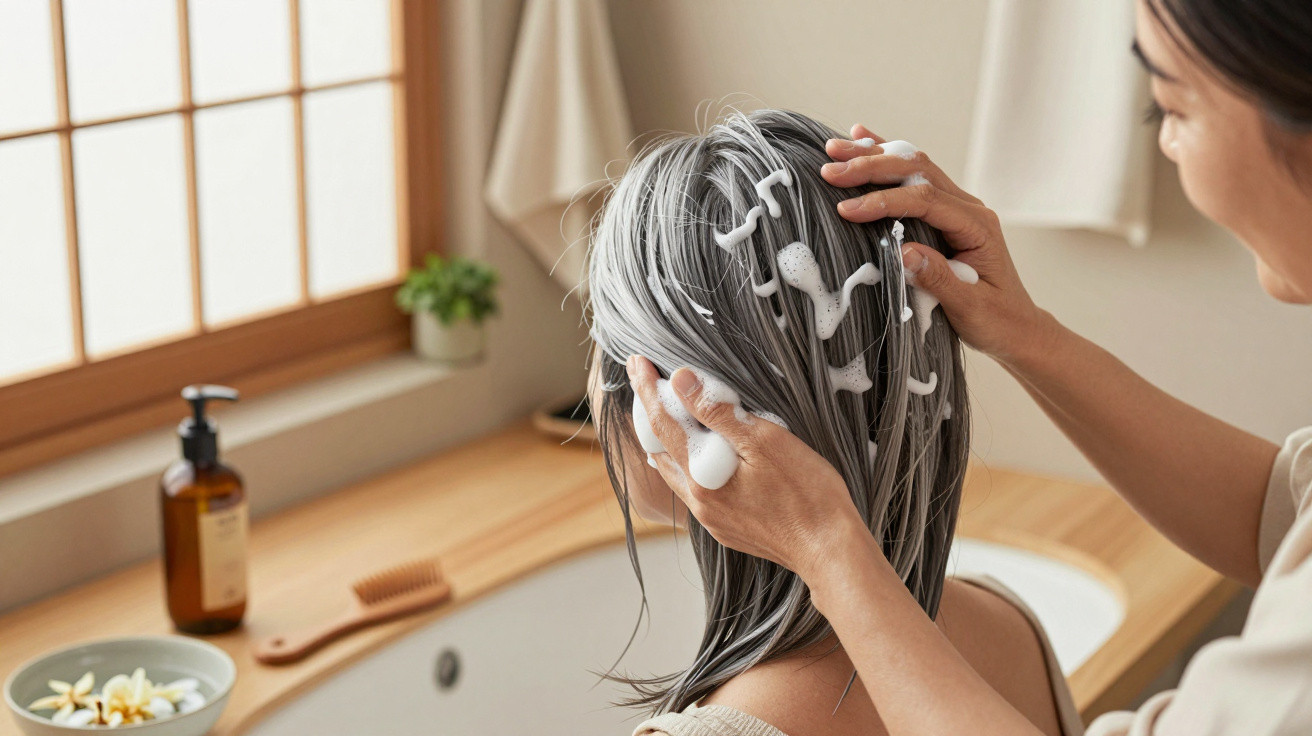
There is also the subject few people wish to mention over a family meal: body odour. Many fear becoming “the one who smells old”. This anxiety can drive older people into routines that leave them drained. You may see an older man insisting on a daily shower, gripping the grab rail through sheer pride. Or a woman with arthritis attempting to wash her hair over the bath and almost losing her footing. The physical cost can be high.
Proper hygiene past 65 also means honouring your own limitations without shame.
“Most of my patients think good hygiene means a daily shower,” admits Dr. L., a geriatrician. “I tell them: your skin has changed, your risk of falling has changed. Your routine can change too, and you’re not ‘letting yourself go’ for that.”
He talks instead about clean clothes, fresh underwear, gentle soap, and targeted washing. “It’s about staying comfortable in your body, not ticking a box on some invisible chart.”
- Clean the essential areas at the sink every day: armpits, intimate area, feet and face.
- If your skin is delicate, limit showers to once or twice a week, keeping them short and lukewarm.
- Choose a mild soap, then gently pat skin dry rather than rubbing it vigorously.
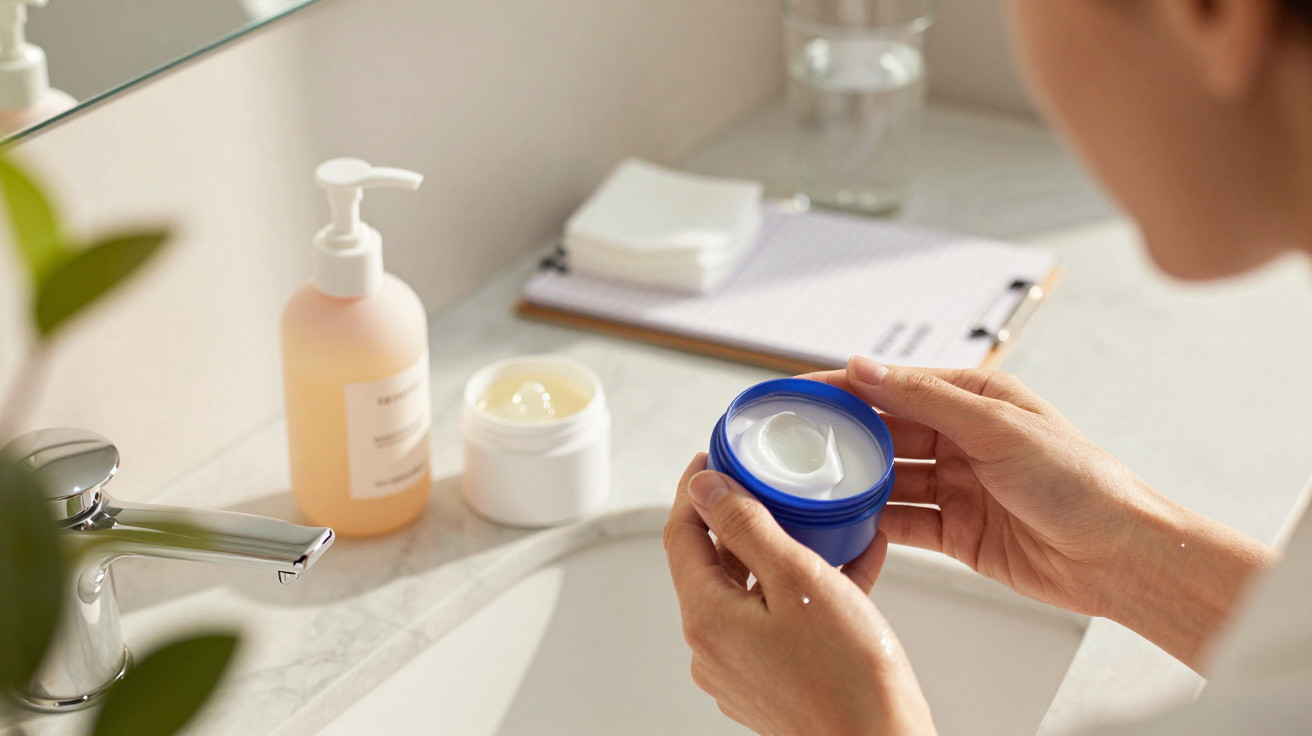
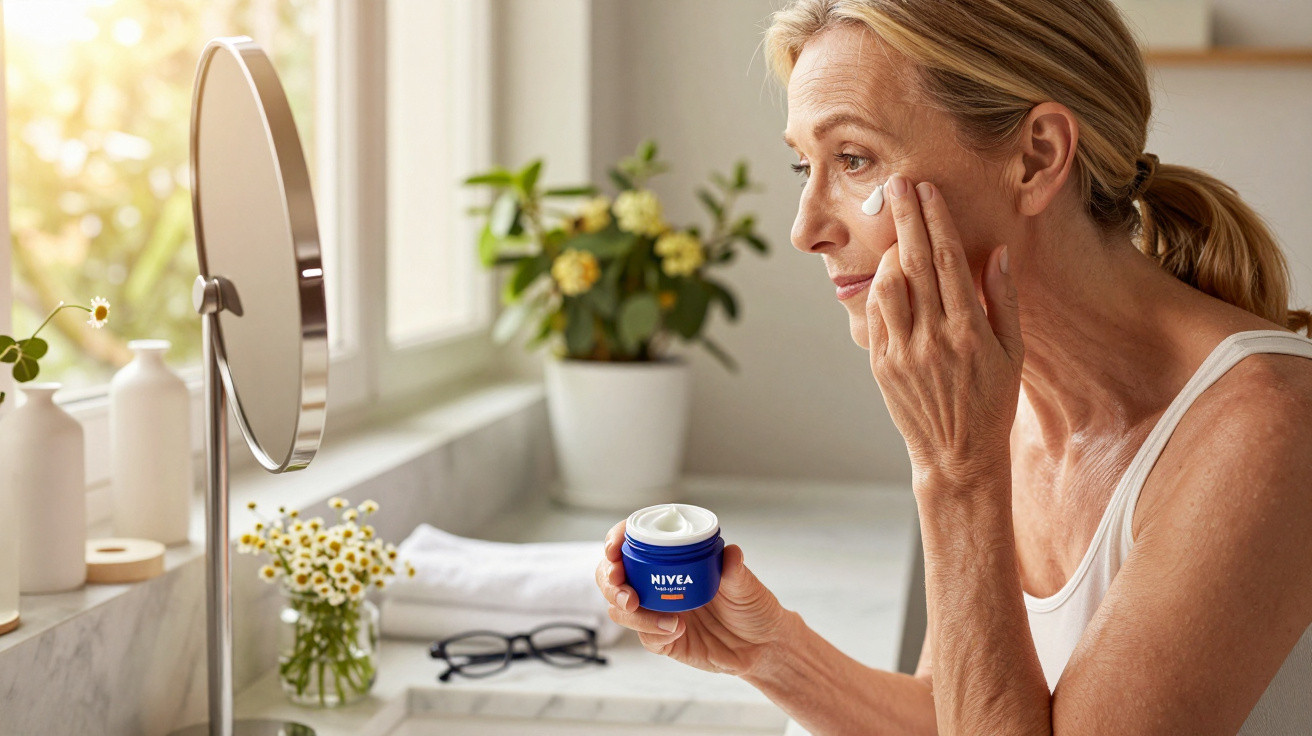
- Apply moisturiser to the legs, arms and back, particularly when white, flaky areas appear.
- Put on fresh underwear and socks daily; change clothing regularly and replace bed linen on a consistent schedule.
A new rhythm that asks for honesty, not perfection
Most people over 65 arrive at this understanding gradually and often privately. They alter their hygiene schedule in much the same way as they adjust their walking pace or evening plans. There is less rushing and more attention to what their body tells them. One neighbour may begin showering every three days and feel healthier. A widower may return to shaving each morning because it helps him feel settled, even though he showers less frequently. Such small personal adjustments are absent from medical checklists, but they shape day-to-day comfort.
Let’s be honest: nobody really does this every single day exactly as the pamphlets say.
| Key point | Detail | Value for the reader |
|---|---|---|
| Adapting frequency | Moving from “every day” towards daily targeted washing combined with weekly showers | Reduces tiredness and skin concerns without compromising cleanliness |
| Protecting the skin | Choosing mild products, lukewarm water and moisturiser | Helps prevent itching, cracks and infections that can develop into more serious problems |
| Preventing accidents | Favouring safe, shorter routines and bathroom aids | Lowers the risk of falls while preserving independence and dignity |














Comments
No comments yet. Be the first to comment!
Leave a Comment