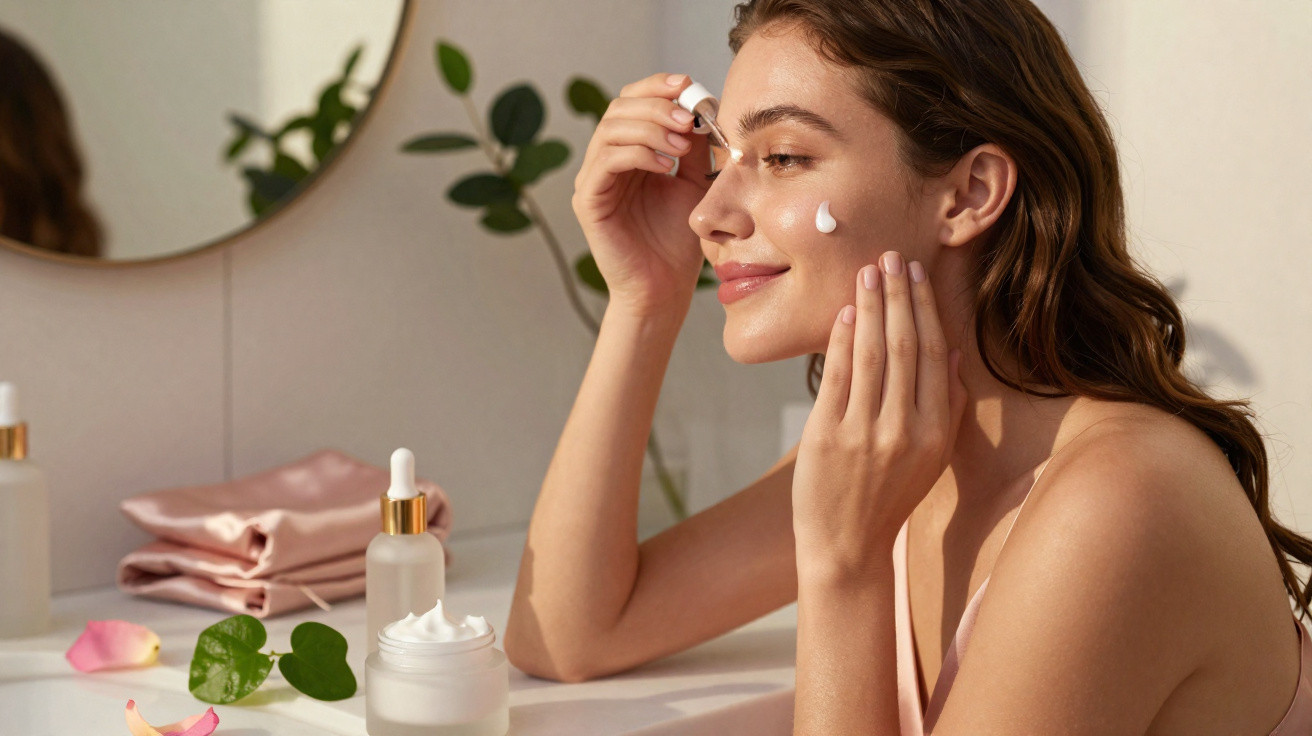
A satin sheen instead of grey winter skin: a new bodycare range promises soft-to-the-touch, radiant skin – from the face right down to the toes.
Many people talk about “glow”, but what is really behind this skincare trend – and can a high-street beauty range genuinely deliver it? With “Satin Glow”, Polish brand Ziaja has launched a complete face and body collection designed to create precisely this effect: healthy-looking skin with a soft sheen that appears cared for rather than made up. A large-scale consumer test was intended to reveal whether the concept works.
What is behind the Satin Glow hype?
Glow has long since moved beyond the Instagram filter to become a genuine beauty ideal. It does not mean an oily T-zone, but rather the delicate, light-reflecting finish associated with well-rested, holiday skin. Instead of relying on highlighter and heavy layers of make-up, the emphasis is increasingly on skincare routines that improve skin texture.
This is exactly where Ziaja Satin Glow comes in. The range is intended to:
- provide intensive hydration,
- smooth and soften the skin,
- create a satin, non-greasy sheen,
- make the entire skincare experience more sensorial through fragrance and texture.
Satin Glow promises more than a visible shimmer; it focuses on hydrated, strengthened skin as the foundation for this on-trend look.
The principle is simple: only when the skin barrier is stable and well nourished can it reflect light evenly, look plumper and appear more refined. Rather than creating a short-lived effect with glitter particles, the glow is meant to come from within.
The active ingredients: rose, CICA and hyaluronic acid together
At the heart of the collection is a trio of ingredients now regarded by many skincare communities as a “safety net” for stressed skin: rose extract, CICA and hyaluronic acid. Together, they are intended to soothe, hydrate and create a smoother-looking skin surface.
Rose extract: gentle care for sensitive skin
Rose extract offers more than a romantic fragrance. In skincare, it is mainly used for its ability to:
- provide light antioxidant support against everyday stressors,
- soothe redness and feelings of tightness,
- help leave skin feeling more supple.
Anyone prone to dry cheeks, fine dehydration lines or irritation will recognise the issue: traditional anti-ageing ingredients can often be too harsh. Rose extract stands out here for its gentler, caring effect.
CICA: a lifeline for stressed skin
CICA, meaning extracts from the Asian plant Centella asiatica, appears in many “repair” products. It is primarily used to:
- calm stressed or irritated skin,
- support the natural protective barrier,
- help the complexion look more even.
This is particularly useful for people whose body skin tends to become cracked, slightly red or affected after shaving, as these formulas are designed not merely to care for the surface but to support regeneration.
Hyaluronic acid: a moisture magnet for plumper skin
Hyaluronic acid has become a standard ingredient in hydrating formulas. It holds water like a sponge, helping skin to look plumper and smoother. Combined with emollient ingredients, it produces the characteristic “plumping effect” that makes a glow look convincing in the first place.
The blend of rose extract, CICA and hyaluronic acid clearly targets comfort: less tightness, greater elasticity and a finer sheen.
The two key Satin Glow products under the spotlight
The consumer test focused on two products intended to form the basis of the routine: an ultra-hydrating facial serum and a body mousse with a satin finish.
Hydrating facial serum
The serum comes in a practical 50 ml size. Alongside hyaluronic acid, it contains galactomannans – plant-derived sugar compounds intended to retain moisture and make the texture of the skin surface appear softer.
The product is designed for every skin type, particularly dry, dehydrated or younger skin from around the age of 12 that already feels tight. According to the manufacturer, daily use may leave skin:
- looking softer and smoother,
- feeling more supple,
- appearing fresher and more awake.
The glow effect here is not intended to come from shimmer pigments, but from plumped, well-cared-for skin. This can be particularly beneficial for make-up wearers: foundation is less likely to settle into fine lines, while highlighter applies more evenly.
Body mousse with a satin finish
The second centrepiece of the range is a body mousse in a generous 350 ml jar. Its deliberately light texture is almost like whipped cream. It is intended to absorb quickly without feeling sticky, while still leaving a subtle film with a soft shine.
The aim is skin that looks not greasy, but as though it has been covered with a silky veil – ideal for short sleeves, skirts and open backs.
Fragrance also plays a major part alongside the caring ingredients. The composition features:
- fresh citrus notes,
- warmer woody-musky accords,
- white flowers for a feminine finish.
The intention is to make daily moisturising feel less like an obligation and more like a small evening ritual. Those who apply it after showering will often still notice the fragrance hours later – a feature that matters especially to bodycare fans.
From trend to routine: making glow work every day
One issue with many trends is that they do not last because they take too much effort. Creating glow with elaborate strobing make-up is time-consuming and not practical every day. Skincare routines, by contrast, are easier to incorporate into daily life.
A typical routine using a Satin Glow range could look like this:
- Cleanse with a mild gel or milk that does not dry out the skin.
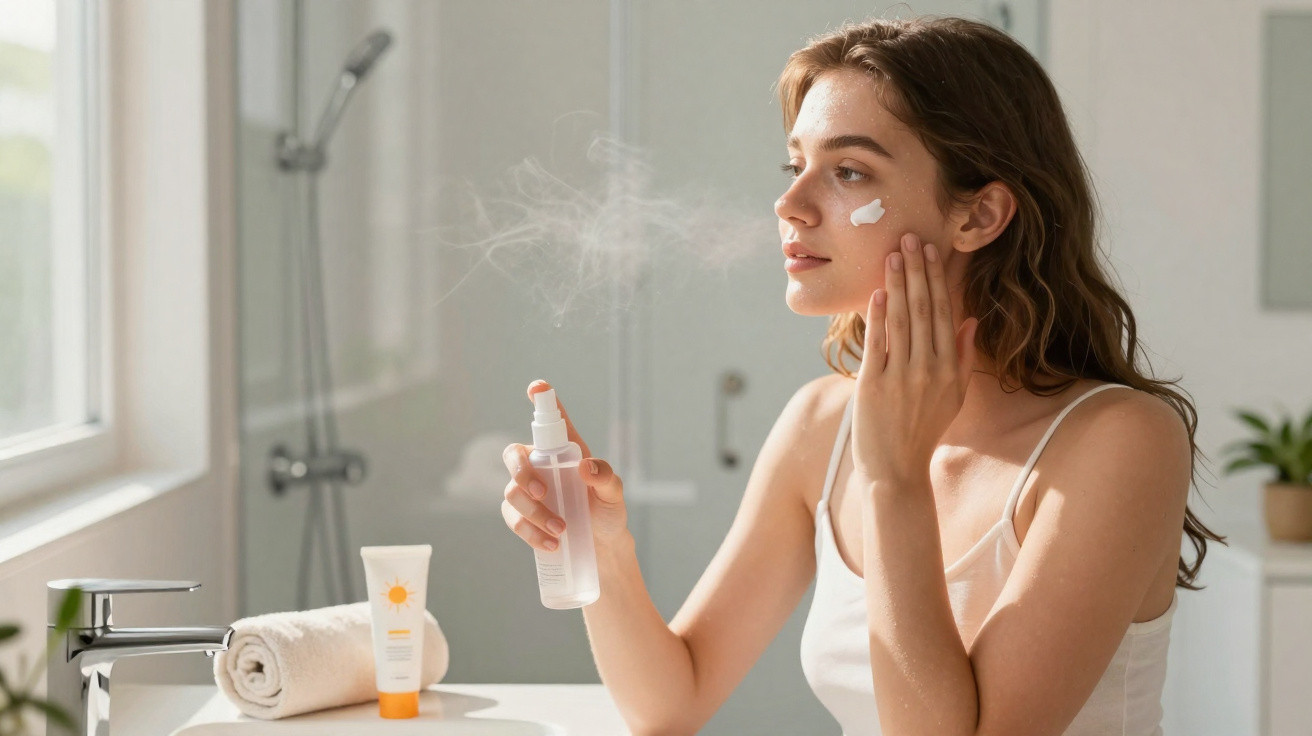
- Apply a toner or mist for an initial boost of moisture.
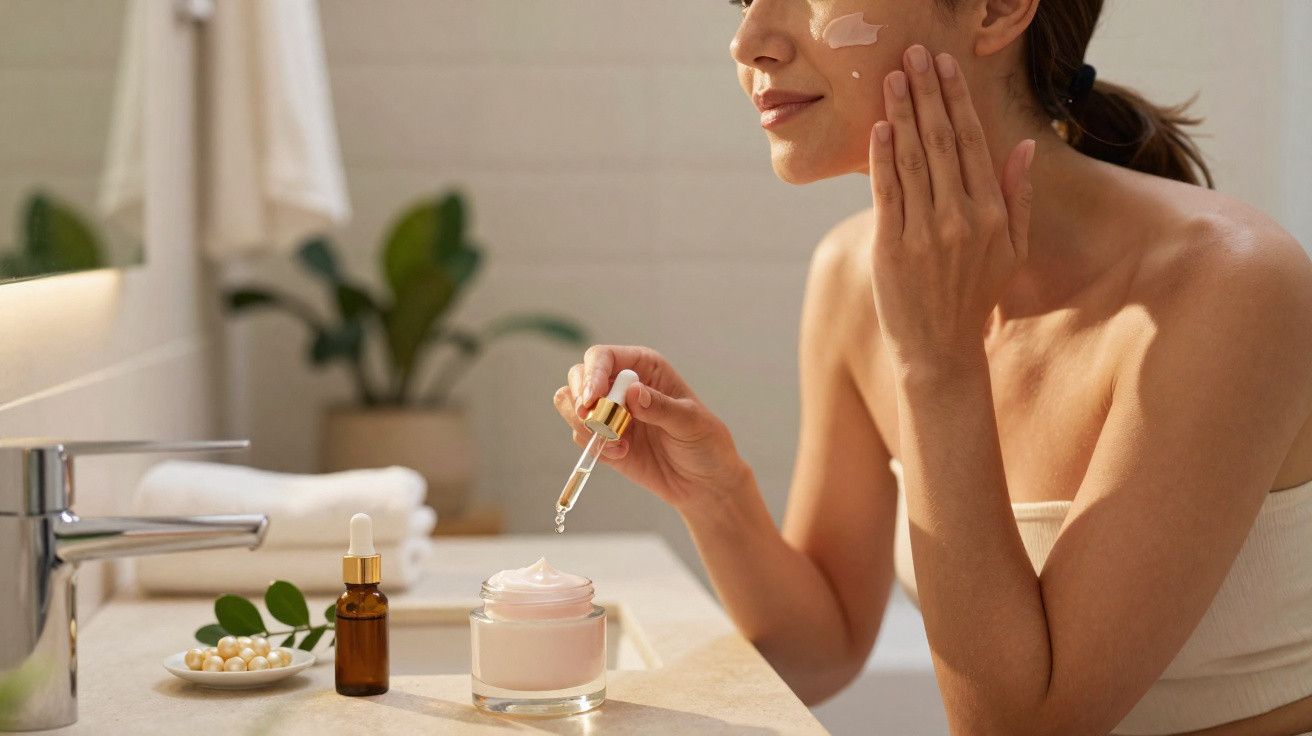
- Gently pat hydrating serum onto the face and neck.
- Follow with a light day cream containing SPF.
- In the evening, apply body mousse to the arms, legs, décolletage and back.
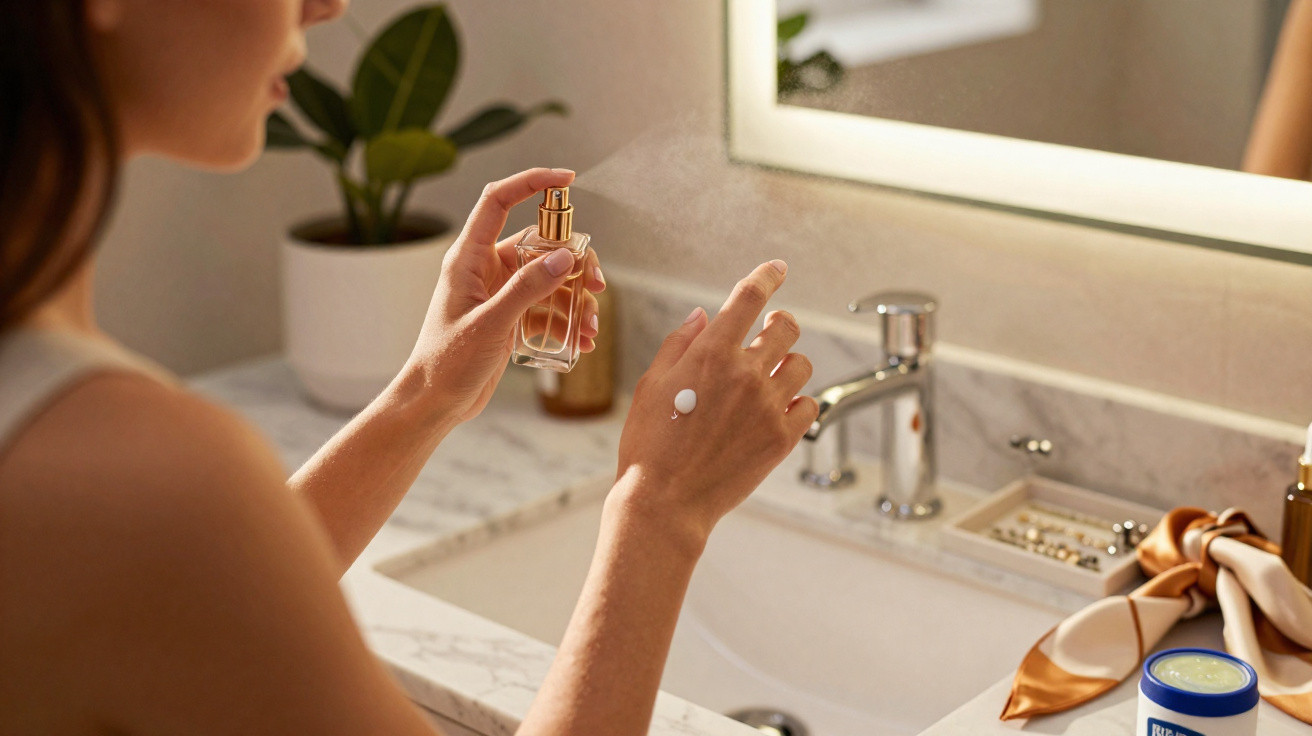
Anyone spending much of the day in dry indoor environments can also use body and hair mists. They refresh fragrance and the feel of the skin between applications without seeming too heavy.
Why glow is about more than appearance
Many dermatologists stress that this trend is moving in a positive direction. Rather than focusing purely on coverage, more people are paying closer attention to what their skin needs. Those who engage with ingredients are more likely to consider factors such as:
- intensive hydration without irritation,
- support for the skin barrier,
- avoiding unnecessary irritants,
- overnight regeneration.
The glow effect therefore becomes almost an indicator: when skin is radiant, looks more even and appears relaxed, this usually suggests a suitable routine, adequate sleep and less stress. Dry, dull areas can often point to central heating, nicotine, not drinking enough water or unsuitable skincare products.
When a satin finish is not the best choice
As appealing as radiant skin may sound, it does not suit every skin condition. People with very oily or acne-prone skin on their back, décolletage or face should take particular care. Richer textures or film-forming substances may cause heat build-up or increase the risk of clogged pores.
In this case, it is advisable to:
- first bring blemishes under control with light, non-comedogenic products,
- then choose moderately rich satin products, especially for the arms and legs,
- care for the face with lighter fluids and add shine selectively with highlighter.
Those prone to fragrance allergies should generally be cautious with heavily perfumed body products and test them on a small area first. Satin Glow places considerable emphasis on the fragrance experience, which may be too much for sensitive noses or reactive skin.
Glow as self-care – not just for social media
What is interesting about concepts such as Satin Glow is the way they connect physical skincare with a mental element. Taking time to moisturise consciously automatically creates a few minutes just for yourself. It can help bring the day to a close, feel calming after a shower or make the start of the morning routine more pleasant.
During stressful periods, a regular skincare moment can feel almost like an anchor. Rather than quickly applying body lotion while standing up, it becomes a small ritual: noticing the fragrance, feeling the texture and slowing the breath. The satin shimmer on the skin then becomes less of a showy effect and more the visible result of these brief moments of respite.
Glow therefore becomes a side effect of consistent care and mindful breaks – not an end in itself for photographs.
Anyone wishing to use products such as the Satin Glow range should therefore view them not simply as a quick fix for a party, but as one part of a long-term routine. Combined with enough water, some movement, sleep and sun protection, a considered skincare regime achieves far more than any individual “miracle cream”.










Comments
No comments yet. Be the first to comment!
Leave a Comment