
Colour professionals describe it as a gentle pivot: blend instead of conceal, give care the same priority as colour, and make the time between appointments straightforward. The aim is not to remove silver. It is to soften contrast, increase shine and make texture appear deliberate.
Why grey hair changes the face
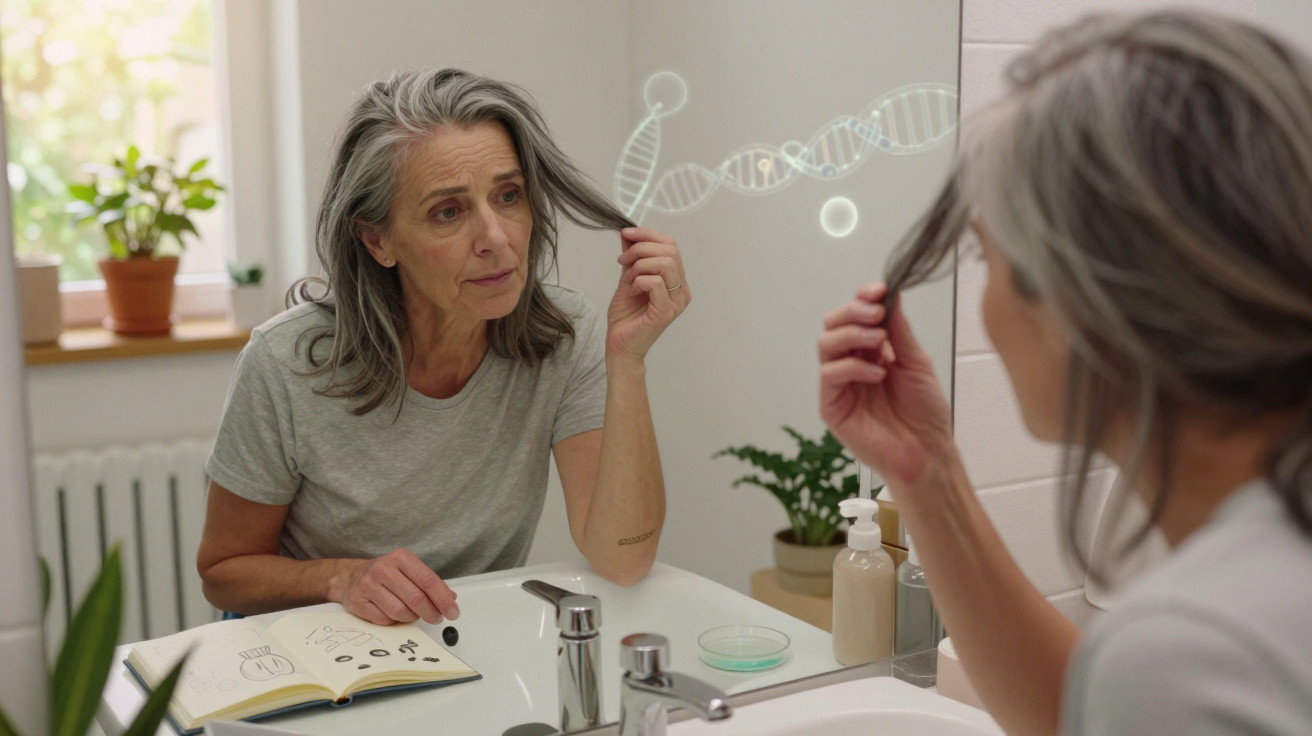
Greying starts when melanocytes within the hair follicle slow or disappear. Genetics, hormones and oxidative stress all contribute to this change. As pigment diminishes, the hair fibre changes as well. Individual hairs can become drier, coarser and more porous. They catch and reflect light, making pale streaks appear brighter than the surrounding hair.
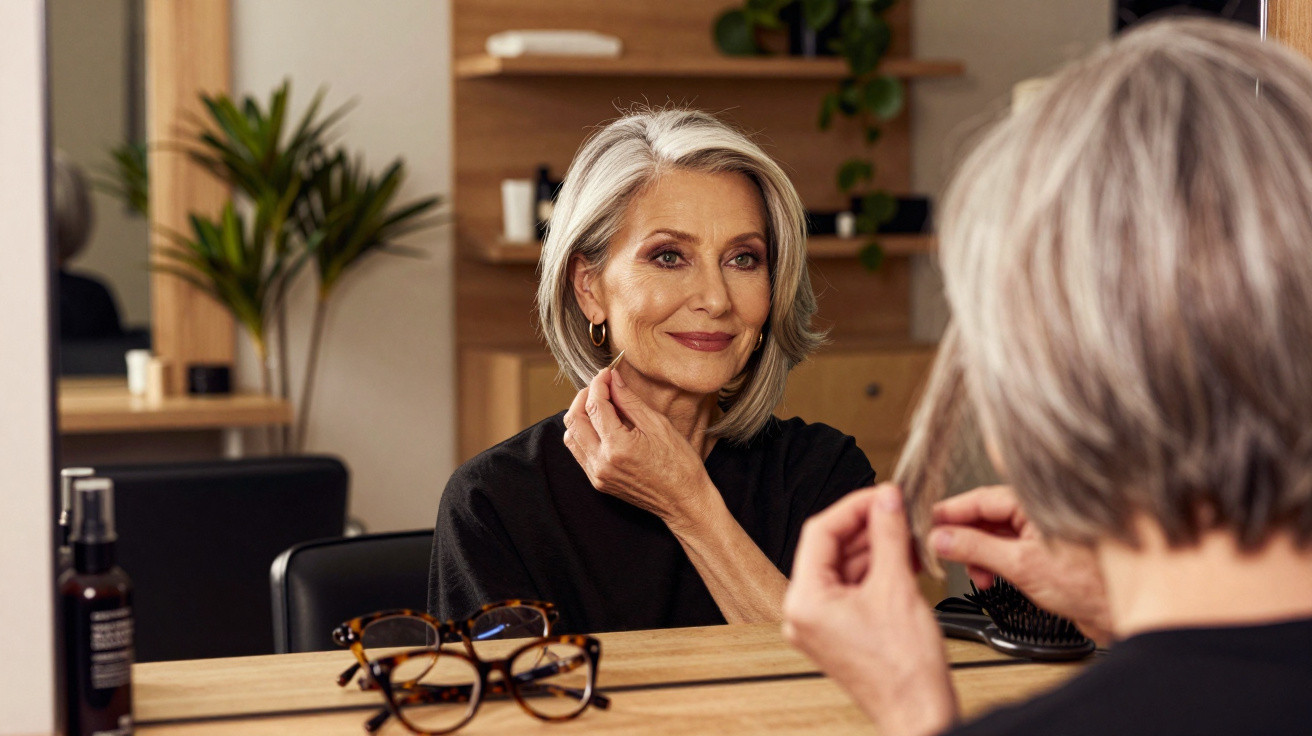
That bright silver contrast may make facial features seem more defined. Lines can appear deeper, while shadows may look cooler. Some people value the authority of salt-and-pepper hair. Others feel it creates a tougher look on camera or in professional settings. This is where softer colour care works well: it lowers contrast, retains dimension and avoids the intensive maintenance of full-coverage colour.
The real trick isn’t repainting every strand. It’s managing contrast, reflection and texture so light glides rather than catches.
The soft colour-care wave
Grey blending at the salon
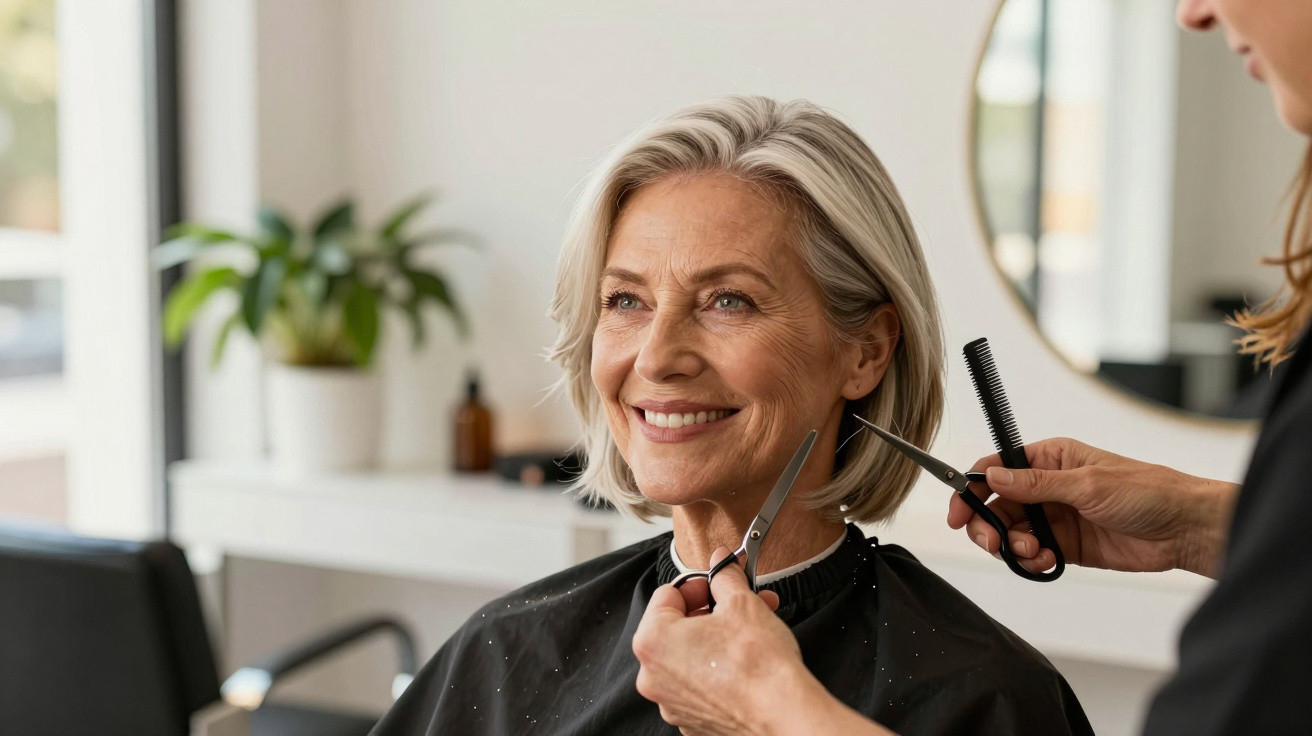
Hairdressers place micro-lowlights and reverse balayage through silver areas, blending them into the base shade. A root smudge softens the visible line at the scalp. A translucent gloss enhances reflection and helps seal the cuticle. The silver remains, but becomes part of a gradient. Regrowth is gentler, salon visits can be further apart, and the face appears less severe in daylight or under flash photography.
Gray blending softens demarcation, keeps nuance, and buys time between color sessions.
At-home tints and glosses
Deposit-only masks, tinted conditioners and glosses coat the surface of the hair. They neither lighten it nor open the cuticle. Instead, they neutralise unwanted tones and improve slip. Silver hair with a yellow cast responds well to violet or blue-violet. Brunettes trying to counter coppery tones can use blue. Because these pigments wash out after a few shampoos, regular use matters more than intensity.
- Brunettes: ash-brown or cocoa shades soften white flashes without creating a harsh line.
- Blondes: beige or pearl glazes reduce contrast while keeping the brightness fresh.
- Natural silver: purple shampoo used once or twice monthly cools yellowing caused by sun and heat.
Plant pigments making a return
Cocoa powder contains soft brown pigments that create a delicate veil over the hair. Combine one tablespoon with a scoop of silicone-free conditioner. Work it through clean, towel-dried hair for 15–20 minutes, then rinse until the water runs clear. Reapply regularly to build depth gradually. Expect a tint rather than complete coverage. Coffee, black tea, sage and rosemary offer a similarly subtle wash of tone and an appealing gloss.
Henna and indigo offer a different approach. Henna tends warm and adheres strongly, whereas indigo pulls blue and adds depth. Alone or layered together, they cover grey effectively but cannot lighten the hair. Their colour can remain for months and may make a later switch back to oxidative colour more difficult. Always carry out both a strand test and a patch test. Keep towels protected, because wet hair may release pigment.
Plant pigments suit patience: subtle on day one, better after week two, convincing by week three.
What professionals and studies agree on
No dependable method exists for reversing greying across the entire head. Repigmentation occasionally occurs in particular medical circumstances, but it cannot be predicted. The practical advantage lies in visual effect: smooth the hair surface, improve shine, adjust the tone and reduce contrast around the face, where people and cameras look first.
Colourists caution against a flat, dark recolouring. On fair skin, it may appear severe; on deeper skin, it can make facial shape seem flatter. Sheer glazes maintain transparency, allowing light to travel through the hair. Fine face-framing foils can lighten or deepen the colour just enough to balance the undertone. A precise haircut strengthens the result: neat lines, managed volume, a soft fringe and ends that reflect the light.
Step-by-step plan for gentle camouflage
Map the silver. Identify where it is most concentrated: along the parting, at the temples, around the hairline or on the crown. Decide whether your preference is to soften the contrast or draw attention to it.
Choose the method. At the salon, request grey blending with ultra-fine lowlights, a softened root and a sheer gloss. At home, begin with a clear or lightly tinted gloss to assess the tone, then introduce a weekly pigmented mask.
Use cocoa safely. Mix cocoa powder into conditioner, apply it to the chosen sections, leave for 15–20 minutes and rinse. Use it two or three times during the first week, then once a week thereafter.
Repair and protect. Add moisture with glycerin or aloe. Restore lipids using light plant butters or esters. Apply small amounts of protein if the hair feels limp, and use heat protection before styling tools. During summer, include UV filters to guard silver hair against yellowing.
Refine the tone. Use purple shampoo sparingly on white or silver hair. Brunettes with brassiness can use blue shampoo occasionally. Too much can reduce shine, so alternate it with a mild cleanser.
Choices, limits and costs
Deposit-only treatments fade as the hair is washed, so they require a routine. Pigment may transfer to pillowcases or collars while saturated hair is wet. Plant-based colour can produce a soft, well-kept effect, but it will not fully hide a pronounced white hairline. Henna and indigo adhere firmly and direct the colour palette, making them suitable for those who prefer stronger, longer-lasting results.
Prices differ by city, although a detailed grey blend may cost more than a standard single-process colour. The interval between appointments often doubles, which can balance the cost over several months. Home toners and masks are inexpensive per application, but they depend on consistency. Fewer retouches and ammonia-free formulas improve the environmental balance, though water consumption and packaging still count. Refill options and concentrated formulas can help.
| Option | Coverage on grey | Longevity | Maintenance | Notes |
|---|---|---|---|---|
| Salon grey blending | Medium, natural | 8–12 weeks | Quarterly | Soft regrowth, high finesse |
| At-home gloss/toner | Low to medium | 3–6 washes | Weekly | Shine and tone without lift |
| Plant pigments (cocoa, tea) | Sheer veil | 2–4 washes | 2–3 times weekly, then weekly | Builds subtly, low risk |
| Henna/indigo | High | 6–12+ weeks | Every 1–2 months | Strong direction, hard to lighten |
Style beyond colour
Grey hair can look fresher with a more defined outline. Ask for edges that are blunt but softened, movement around the cheekbones and a fringe that breaks up the light. Shape the brows to frame the eyes. Adjust make-up undertones accordingly: warmer cheeks enliven cool silver, while cooler lip colours balance warm brunettes. Rinse away chlorine and hard-water minerals promptly to avoid yellowing. If your water is high in minerals, use a chelating wash once a month. Keep brushing tension low to prevent breakage in hair that has become stiffer.
Extra tips to use this week
Carry out a quick porosity check. Spray a strand with water and observe it: rapid absorption suggests high porosity, meaning richer conditioners and sealing oils may be needed. Slow absorption indicates that lighter care and more frequent glosses may better support shine.
Whenever you change product, follow the colour-safety trio: patch-test on the skin, perform a strand test to check the shade, and test on a towel to see whether wet pigments transfer. This can save both inconvenience and clothing.
Consider this budget schedule. In month 1, have a professional grey blend with a blurred root. From weeks 3–8, apply an at-home gloss weekly and use purple or blue shampoo once when required. In month 3, book a small salon refresh focused only around the face. This routine reduces the monthly cost while keeping photographs looking up to date.
Considering henna or indigo? Think ahead before committing. Oxidative dyes may react unpredictably over plant colour. Keep a record of dates, brands and shades, and take it to your colourist before changing direction.
Make a seasonal adjustment: summer UV can increase yellow in silver hair and red tones in brunettes. Use hats, UV sprays and fewer passes with heated tools. Indoor heating in winter dries the fibre, so increase humectants and seal the ends on wash days. These small changes help the blend remain even throughout the year.
Youthful hair isn’t a single shade. It’s smart contrast control, steady care and light that moves across the cut.








Comments
No comments yet. Be the first to comment!
Leave a Comment