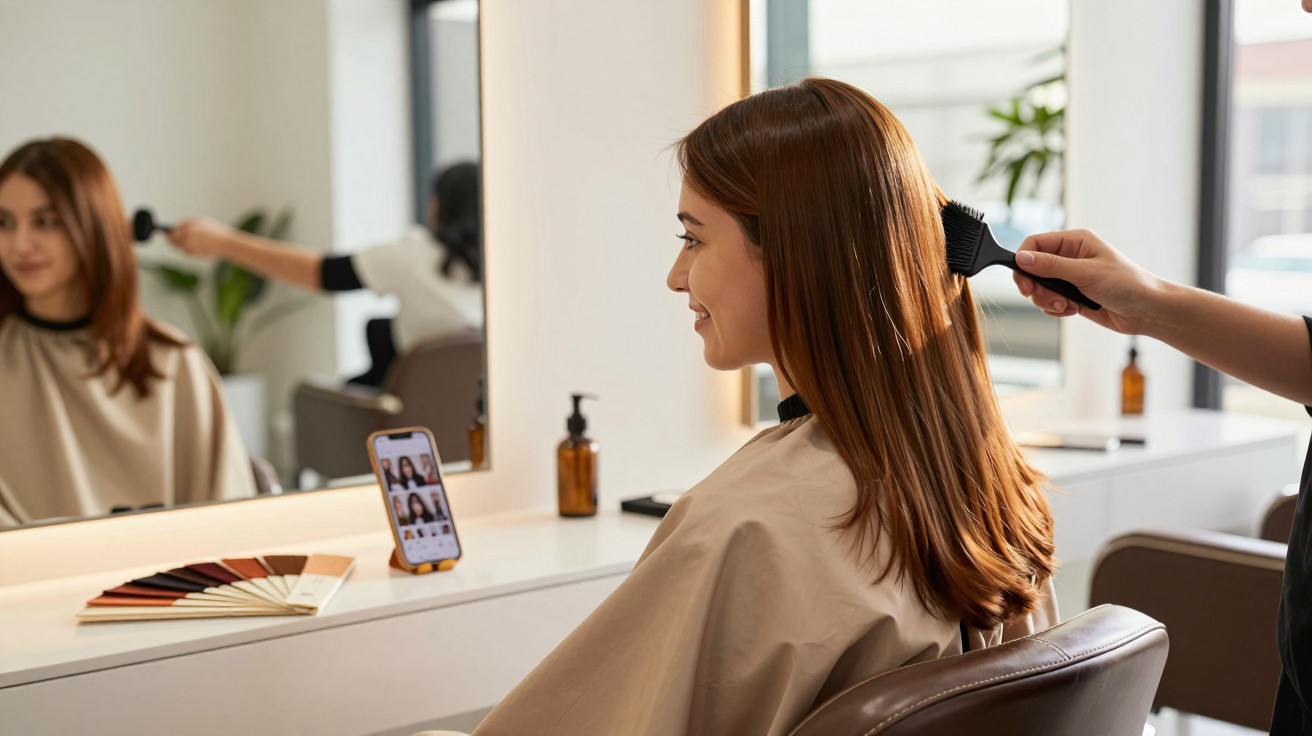
In recent years, hair salons seemed to have just one subject of conversation: balayage, ombré, face-framing and countless highlights. Now the mood is shifting. A particularly simple, clearly defined colouring technique is becoming the new favourite among professionals, influencers and anyone tired of constant touch-ups.
What the new single-colour colouring trend involves
The trend everyone is currently discussing is known in professional terminology as “monochromatic colouring”. Behind the rather unwieldy name lies a surprisingly straightforward idea: one hair colour from roots to ends, with no highlights, no gradient and no lighter lengths.
While balayage and similar techniques rely on contrast, this approach is all about complete consistency. The aim is an uninterrupted field of colour that looks calm and sophisticated while reflecting light evenly.
“One shade, one look, maximum impact – single-colour colouring is the answer to the trend for pared-back beauty with a well-groomed appearance.”
The key factor is therefore not an intricate pattern, but the shade selected. Typical options include:
- clean, subtly creamy blonde
- rich, cool chocolate brown
- deep, almost lacquer-black hair
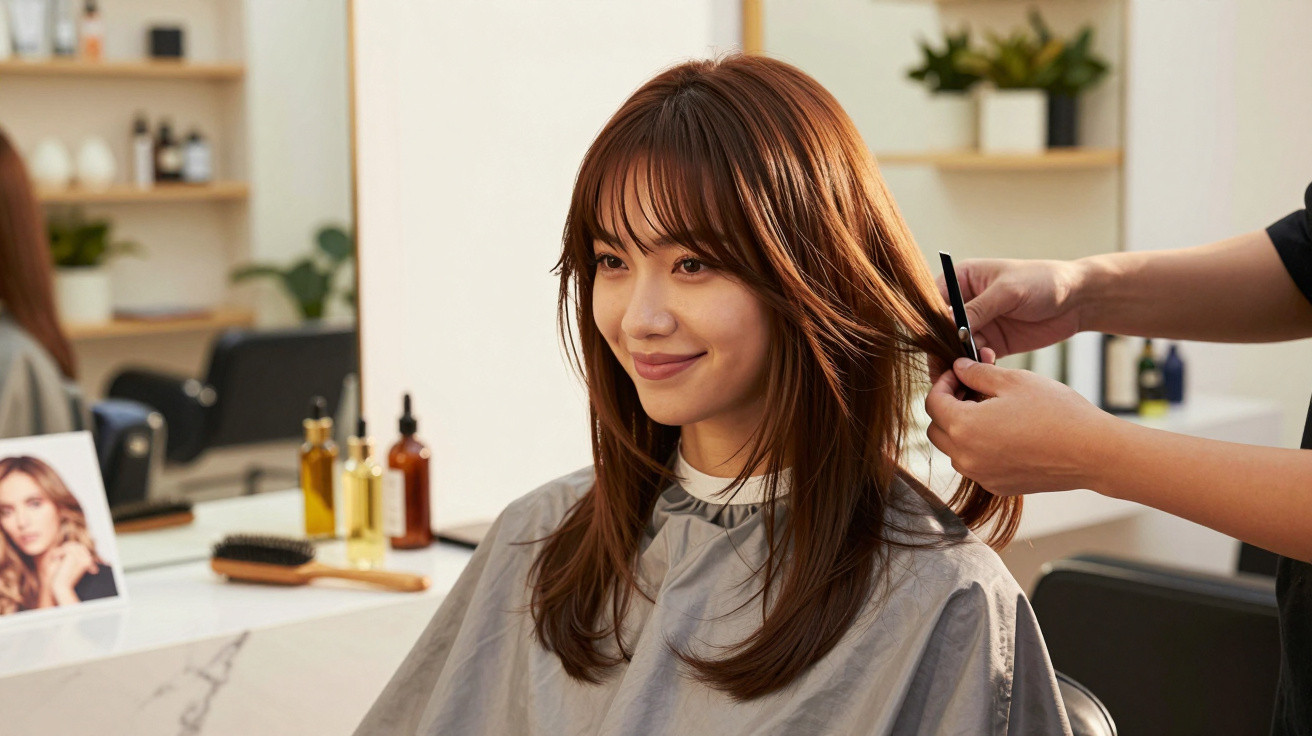
- warm copper or intense rust red
The closer the colour suits the skin tone, and the greater the shine, the more contemporary the outcome appears. Many professionals describe it as a deliberately understated “field of colour”, much like minimalist fashion.
Why monochromatic colouring makes hair look thicker and healthier
One major reason for the hype is its visual effect. Evenly coloured hair reflects light like a mirror, without lighter strands interrupting the eye.
This creates a sleek, continuous sheen that is quickly associated with healthy hair. Even finer hair can therefore appear denser and stronger.
“Anyone wanting more fullness in the mirror can often achieve more with an even colour than with extra layers or extensions.”
Visually, this is what happens:
- The colour covers the whole head like one continuous surface.
- The lengths appear fuller because lighter sections do not create the illusion of “gaps”.
- Shine runs evenly through the hair instead of flickering across many small highlights.
At the same time, the trend fits perfectly with the current focus on “Healthy Hair”: bold effects are no longer the priority; instead, the emphasis is on hair that looks cared for, glossy and intentionally styled in a restrained way.
Less hassle: how low-maintenance the new trend is
Another benefit of single-colour colouring is the effort involved – or, more precisely, the lack of it. Balayage long seemed so appealing because the root area grew out more softly. In practice, however, it often means hours in the salon, follow-up work, glossing and toner.
With an all-over colour, roots are certainly more visible, but they look less like a break in the style as long as the shade does not differ too dramatically from the natural colour. Many people can extend the time between appointments considerably.
- Time between colouring appointments: often 8–12 weeks rather than 4–6 weeks
- At home, glossy care products are enough to boost shine
- Tints or colour masks can refresh the tone without an immediate visit to a professional
This is particularly appealing in spring and summer, when holidays, festivals and weekend breaks are on the agenda: the hairstyle remains uncomplicated, the look does not appear “grown out”, and morning styling takes less time.
How strong the trend is on social media
Instagram and TikTok are filling with videos in which hairdressers literally colour over elaborate balayage looks, transforming them into one uniform shade. Under hashtags such as “monochromatic blonde”, users are showing cool, even blonde tones that look highly polished, almost luxurious, while still carrying the “low maintenance” label.
“Glossy, full fields of colour are gradually replacing the once-ubiquitous graduated highlights.”
Many salons report that clients arrive with screenshots of influencers whose hair initially looks “simply brown” or “simply black”. Only on closer inspection does it become clear how precisely matched and glossy those shades are.
Who single-colour colouring is especially suited to
The trend can work with virtually all hair textures, although some people benefit particularly strongly:
| Hair type | Benefit of single-colour colouring |
|---|---|
| Fine hair | Appears denser and more even, with less of a “streaky” effect |
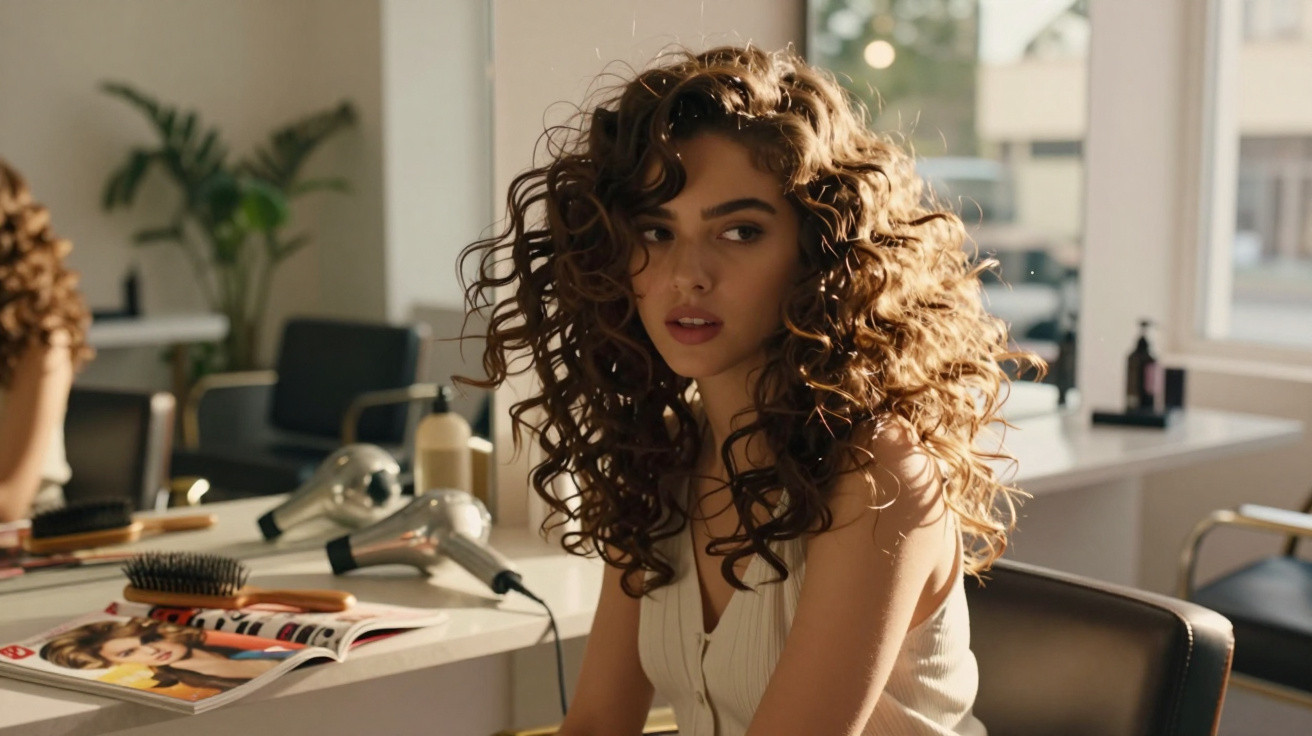
| Frizzy or curly hair | Curls stand out more clearly, with fewer “busy” effects |
| Heavily lightened hair | Can be calmed down and visually “repaired” |
| Very dark natural hair colour | Clear, rich shades look more sophisticated than numerous light highlights |
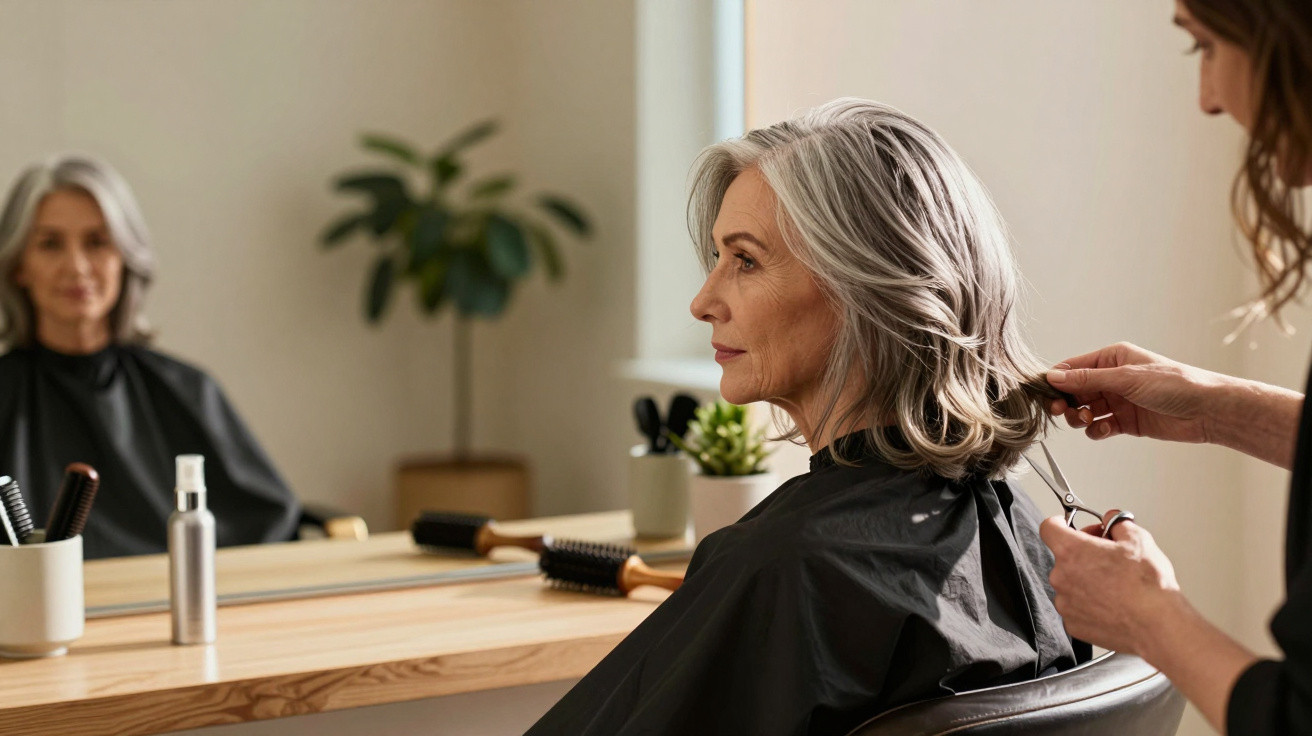
Anyone looking to disguise a lot of grey hair will also achieve a calmer overall effect with a full colour than with scattered highlights. The important thing is to choose a shade with a professional that looks neither too harsh nor artificial.
How to find the right shade at the hairdresser
The heart of this trend is not the technique but matching the colour correctly. Good hairdressers consider skin undertone, eye colour, everyday life and styling habits.
Typical questions during the consultation include:
- How often do you style your hair with straighteners or curling tongs?
- Do you tend to wear gold jewellery or silver jewellery? (An indication of a warm or cool undertone)
- How much difference from your natural hair colour are you comfortable with?
- How often are you prepared to recolour your hair?
For example, people prone to redness can quickly look washed out with very cool, ashy shades. Those with olive skin, on the other hand, can glow in warm copper or cognac tones. Single-colour colouring is less forgiving than balayage – the shade has to be right because nothing distracts from it.
Risks, care and useful combinations
Although the trend looks simple, colouring the entire head can put stress on the hair structure, especially when it involves repeated lightening. Without an accompanying care routine, dry ends and dull shine can follow – precisely the opposite of what the look promises.
Useful additions therefore include:
- bond-building treatments in the salon during colouring
- shampoos and conditioners designed specifically for coloured hair
- heat protection before blow-drying, straightening or using curling tongs
- a glossing service every few weeks for renewed shine
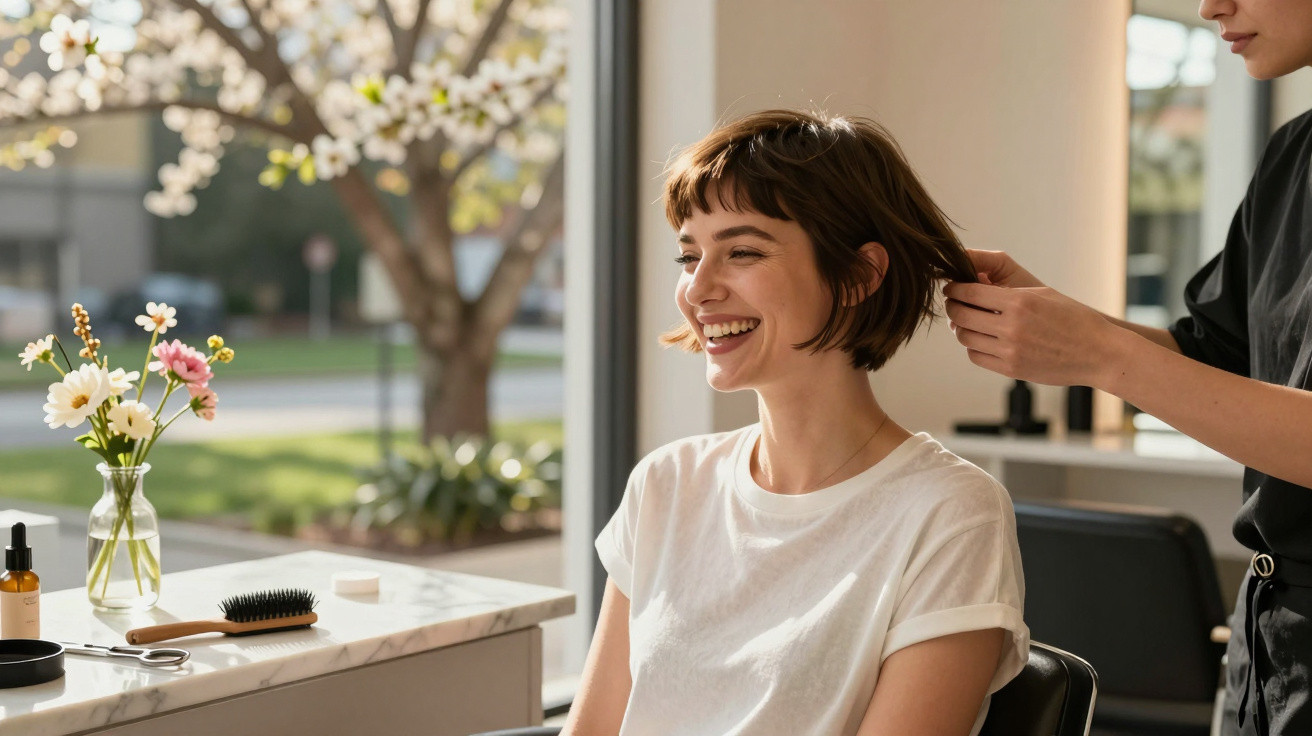
Those feeling bold can pair an even colour with a sharply defined haircut: a blunt cut, crisp bob lines or a blunt fringe look far more modern with one uniform colour than with lots of fine highlights. The result is deliberately minimalist while still looking very considered.
The development in blonde shades is also interesting. Rather than increasingly lighter, “sun-kissed” balayage blonde, medium, more muted blonde tones that still shine are appearing more often. They suit the wish many people have to be blonde – but no longer at the cost of extremely heavy lightening.
Anyone currently considering changing an old balayage look does not need to take a radical step overnight. Many professionals suggest transitional solutions: first applying an even tone through the lengths, then gradually matching the remaining highlights later on. This allows the new trend to be adopted gradually, without feeling as though one’s hair identity is being abandoned.






Comments
No comments yet. Be the first to comment!
Leave a Comment