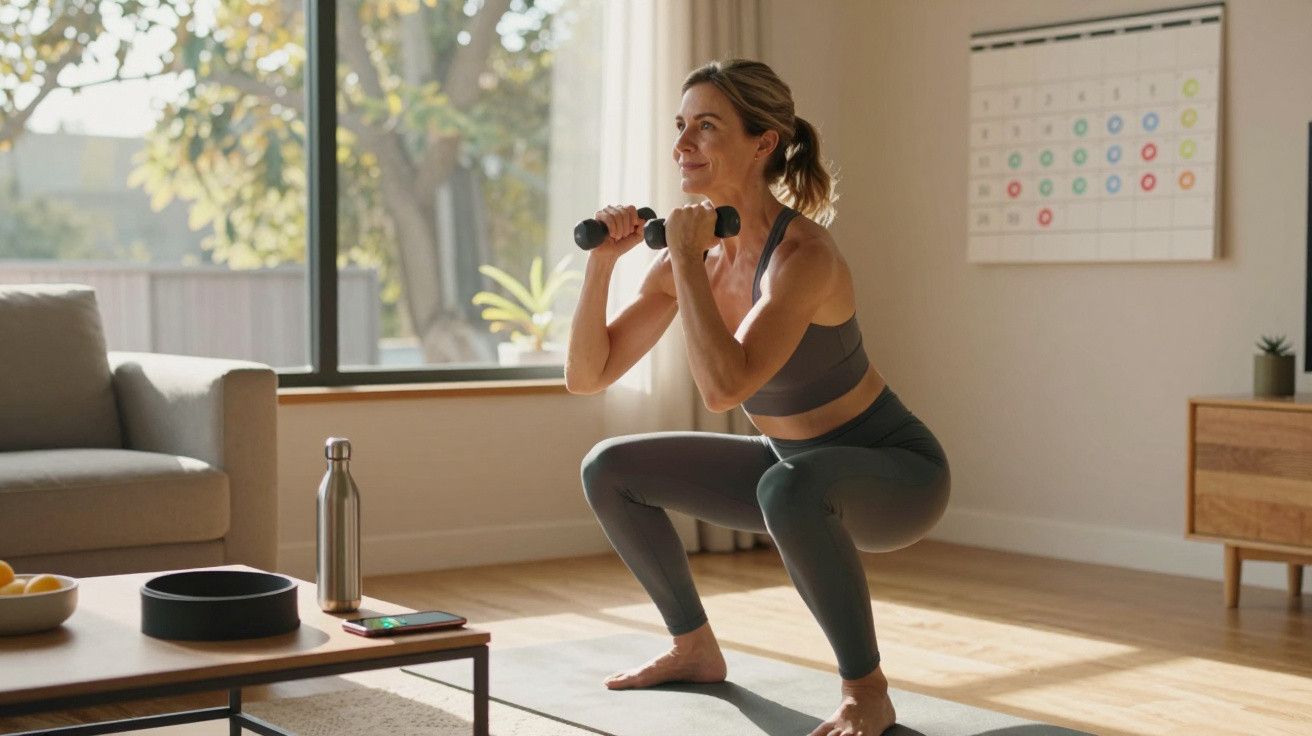
For years, the internet has been filled with countless supposedly “perfect” fitness programmes: strict rules, technical jargon and complicated training splits. The result is often that anyone who is not already sporty feels discouraged rather than inspired. A major review of recent studies now makes one point very clear: for most people, straightforward, practical strength training - repeated consistently - is entirely sufficient to become noticeably fitter, stronger and healthier.
New evidence, clear message: train simply, but consistently
The latest guidance comes from a position paper by the American College of Sports Medicine. It is based on an analysis of 137 systematic studies involving more than 30,000 participants. Its core message could hardly be more straightforward: do something - and keep doing it.
“Strength training is effective even when people regularly perform simple exercises that challenge all major muscle groups. Perfection is secondary; sticking with it is what matters.”
Compared with 2009, considerably more research is now available on strength training, ageing and long-term health. The findings are now fairly clear: the exact programme, the “magic” exercise order and the ideal weight matter far less than previously assumed.
What matters is:
- training every major muscle group at least twice a week
- working with focus and noticeable effort
- choosing a routine that fits sustainably into everyday life
According to the evidence, it is less important whether this involves dumbbells at the gym, resistance bands in the living room or your own body weight. Consistency is the deciding factor.
Why even small steps make a major difference
One of the strongest findings in the review is that moving from “nothing at all” to “a little” delivers substantial benefits. People who have previously done little or no strength training tend to respond particularly quickly.
The body adapts in clearly noticeable ways:
- muscles become stronger
- everyday movements become easier
- day-to-day capacity improves
- stairs, shopping bags and gardening require less effort
Neither lengthy sessions nor punishing programmes are needed to achieve these effects. Just two short training sessions a week using simple exercises can lead to measurable improvements, particularly for beginners and older people.
How important are weight and number of sets really?
Many online guides focus on percentages of maximum weight, complex set and repetition schemes, or specific periodisation methods. The new review puts these detailed questions into much clearer perspective.
“In everyday practice, it matters far less whether someone does three or four sets - what counts is performing the exercises regularly and with effort.”
In practical terms, someone training at home with water bottles and working up a genuine sweat will gain more than somebody with a perfectly planned gym routine who stops after two weeks. Rather than getting lost in the detail, it is worth keeping the focus simple:
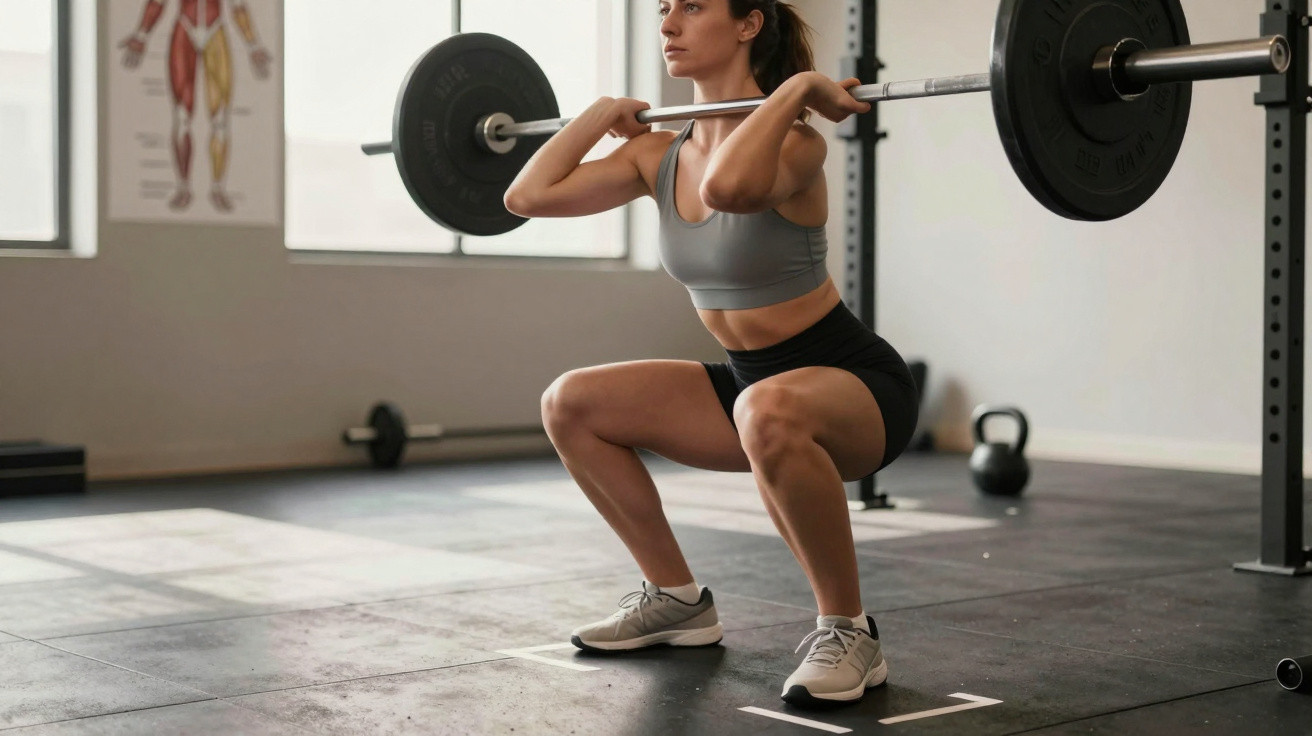
- Choose one exercise for each major muscle group, such as legs, back, chest, shoulders and core.
- Complete two to three sets of 8–15 repetitions for each exercise.
- Select a weight or level of difficulty that makes the final repetitions challenging but still possible with good form.
For most people, this already places them within the range in which the studies show clear effects.
More than muscles: a health boost for the heart, metabolism and brain
Strength training has long ceased to be solely about appearance or “the weights room”. Above all, the review highlights its health effects, which extend far beyond stronger arms.
Regular strength training can:
- help stabilise blood sugar and lower the risk of type 2 diabetes
- have a positive effect on blood pressure and blood lipid levels
- significantly reduce the risk of falls in later life
- strengthen bones and help counter osteoporosis
- improve sleep quality and mood
Many of these benefits initially occur out of sight, for example in laboratory readings or medical assessments. At first, people often simply notice that they feel more alert, more mobile and steadier on their feet.
No gym? Your own body is entirely enough
Another point in the position paper is likely to appeal especially to people who feel uncomfortable in a gym or do not want to pay for membership. Strength training works perfectly well without high-tech equipment.
Suitable options include:
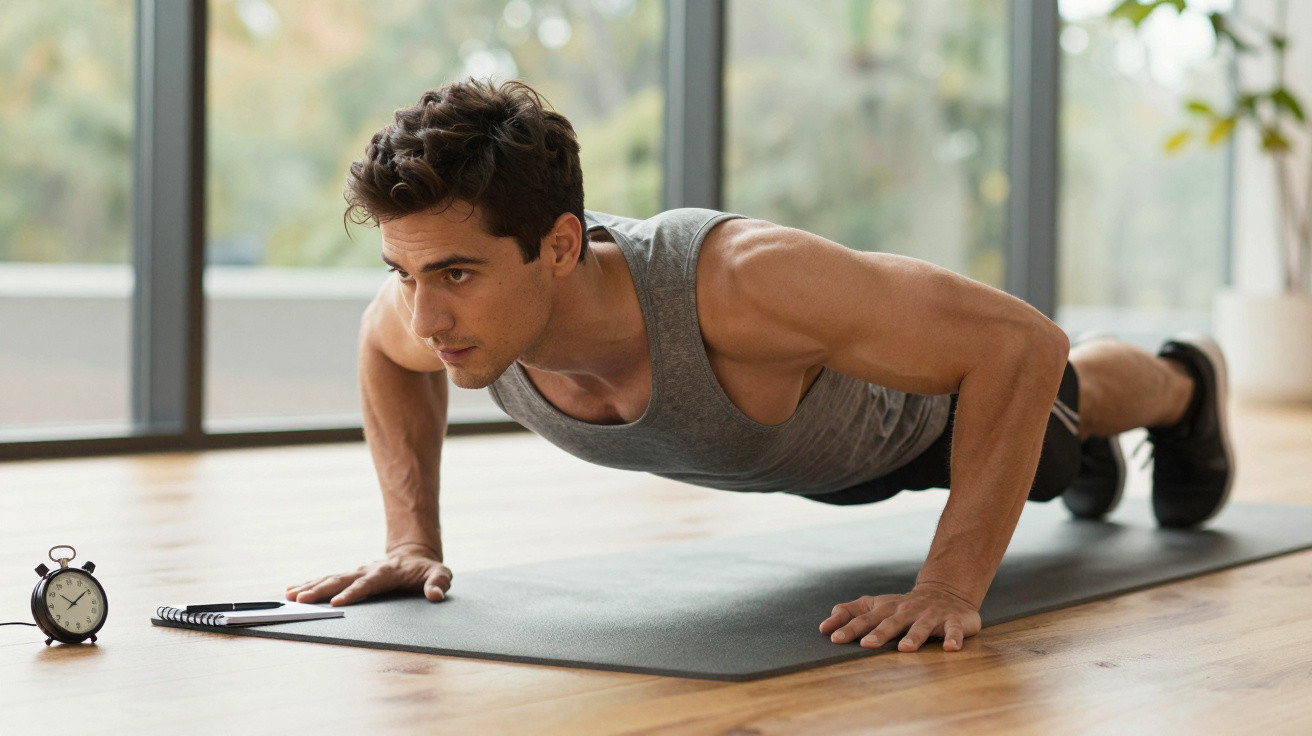
- classic bodyweight exercises such as squats, press-ups - including against a wall - lunges and planks
- resistance bands that fit into any drawer
- water bottles or rucksacks as simple weights
- deliberately making everyday movements, such as climbing stairs, more demanding
“People who regularly set aside ten to twenty minutes for simple strength exercises at home can achieve health benefits similar to those of people following elaborate gym programmes.”
This makes starting much easier: there is no journey to make, no contract commitment and no intimidation between the weights bench and mirrored walls. For many people, that is precisely what determines whether they actually begin - and continue.
Why sticking with strength training matters more than the “perfect” plan
Many people abandon fitness intentions because they try to take on too much at once: five sessions a week, strict dietary rules and highly detailed plans. As soon as everyday life gets in the way, the whole structure collapses. The new recommendations shift the emphasis: the winner is not the most ambitious plan, but the one that remains realistic over the long term.
The crucial question is therefore this: can this training still be done next week? And in three months? Anyone who can honestly answer yes has a good plan - even if it seems simple.
| Approach | Likelihood of sticking with it |
|---|---|
| Complex gym programme, 5 days a week | highly motivating at first, but often abandoned after a few weeks |
| 20 minutes of simple exercises at home twice a week | realistic in everyday life, with a good chance of being sustained long term |
Strength training in everyday life: what a simple weekly plan can look like
Anyone looking to get started can begin with very little structure. One possible basic framework is:
- Day 1: squats, wall press-ups, rowing movement with a band, forearm plank
- Day 2: rest or a walk
- Day 3: lunges, shoulder presses with bottles, glute bridge, side plank
- Days 4–7: light movement as desired, such as walking or cycling, then start again at Day 1
For each exercise, two sets of ten to twelve repetitions are enough at the beginning. Once this becomes easy, increase the difficulty - for example, by moving more slowly, doing more repetitions or using a little more weight.
Particularly substantial benefits in later life
Strength training can act almost like an “ageing brake” for older people in particular. Studies show that people who maintain their muscles remain more mobile, fall less often and manage everyday life independently for longer. Even people aged over 70 or 80 can build muscle through simple programmes.
“The evidence suggests that, for many older people, regular strength training is almost as important as medication - but with considerably fewer side effects.”
High-tech equipment is unnecessary here as well. Repeatedly standing up from a chair without using the arms, doing light squats while supported by the edge of a table, or performing rowing movements with a band all create stimuli that encourage the body to adapt.
Risks, limitations and useful additions
Exercise is never entirely without risk. Anyone who has been inactive for a long time, has pre-existing health conditions or takes medication regularly should speak to their GP before starting. Warning signs such as severe chest pain, sudden shortness of breath or unusual dizzy spells should always be medically assessed.
Strength training does not replace every other form of activity either. The studies indicate that regular walking, cycling or other forms of endurance exercise should be included as well. Even brisk walks on several days a week are a useful addition for the heart, circulation and mental wellbeing.
The combination with everyday habits is also interesting: establishing fixed “micro-routines” - for instance, doing ten squats after brushing your teeth every time, or five minutes of core exercises after work - lowers the barrier still further. Step by step, this creates a more active lifestyle without requiring a radical fresh start.
Overall, the new evidence is very clear: anyone waiting for the perfect plan is losing valuable time. Those who start now with simple, achievable exercises and keep going will benefit - regardless of gym membership, expensive equipment or complicated training systems.













Comments
No comments yet. Be the first to comment!
Leave a Comment