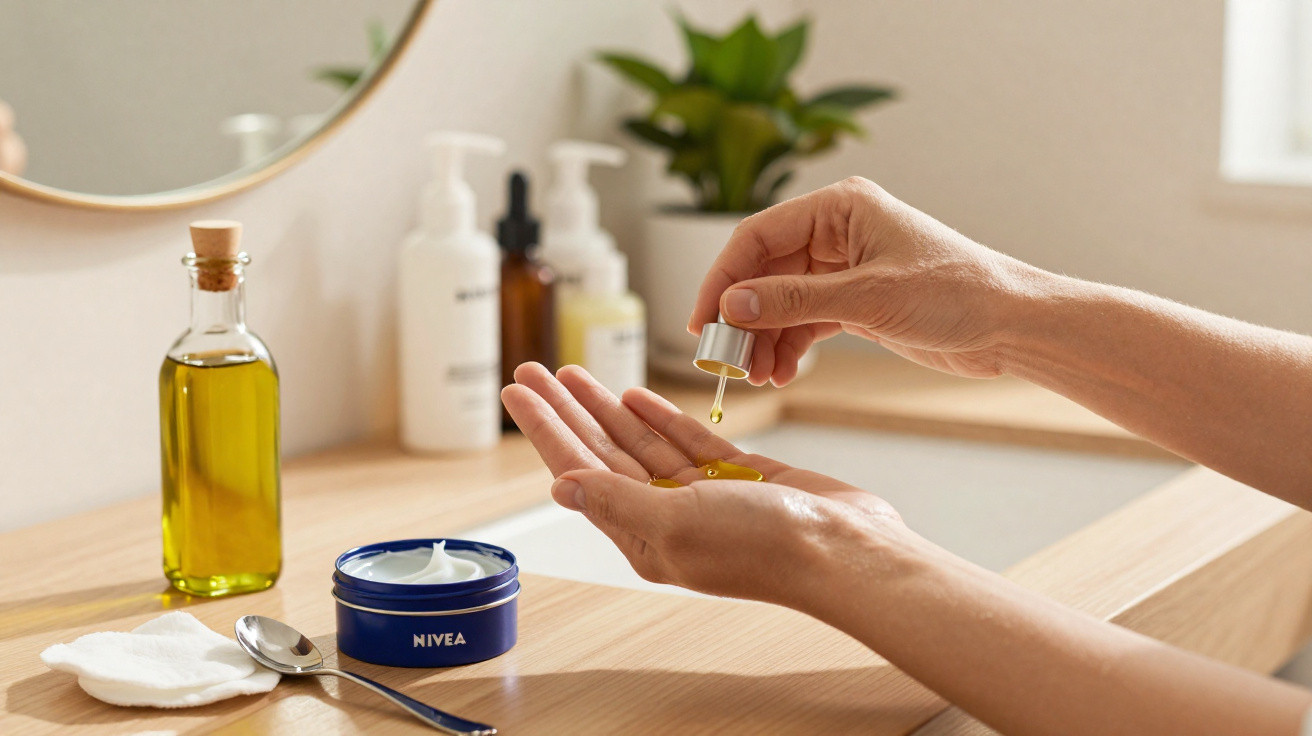
The combination sounds almost implausibly simple: standard olive oil and classic Nivea cream. Supporters claim it enhances radiance, relieves tightness and helps makeup apply more smoothly. While the approach is far from new, it is gaining renewed attention as people look for low-cost skincare routines that remain soothing and effective.
What sparked the trend
Brief videos and online forums have reignited enthusiasm for traditional moisturising layers. People are seeking fewer products, lower spending and visibly plumper-looking skin by the next morning. This has brought two household favourites back into focus. Nivea cream offers nostalgia along with its moisture-sealing qualities, while olive oil adds a silky texture, slight sheen and appealing kitchen-to-skin simplicity.
The iconic blue tin, revisited
Nivea cream has a dense texture, which is precisely its purpose. Its occlusive ingredients help limit water escaping from the skin’s surface. Many users also rely on it for swift makeup removal or as a 10-minute moisturising mask. Others pat a little beneath the eyes at bedtime for softness and comfort. It will not erase lines, but by locking in moisture it can reduce the appearance of dryness and fine creases.
Why olive oil keeps showing up
Olive oil contains oleic acid and naturally occurring antioxidants, including vitamin E. It provides slip for massage and creates the dewy finish often missing from dry skin. However, olive oil does not suit every complexion. Its high oleic-acid content can leave some sensitive or acne-prone skin feeling oily or lead to clogged pores. Extra-virgin varieties contain additional antioxidants, but they also have more naturally occurring fragrance compounds that may irritate some people.
“Mixing the two builds a heavy, protective layer that reduces transepidermal water loss. The skin holds onto water longer, so it looks smoother and bouncier by morning.”
How people mix and apply it
The widely shared method is fast and uncomplicated.
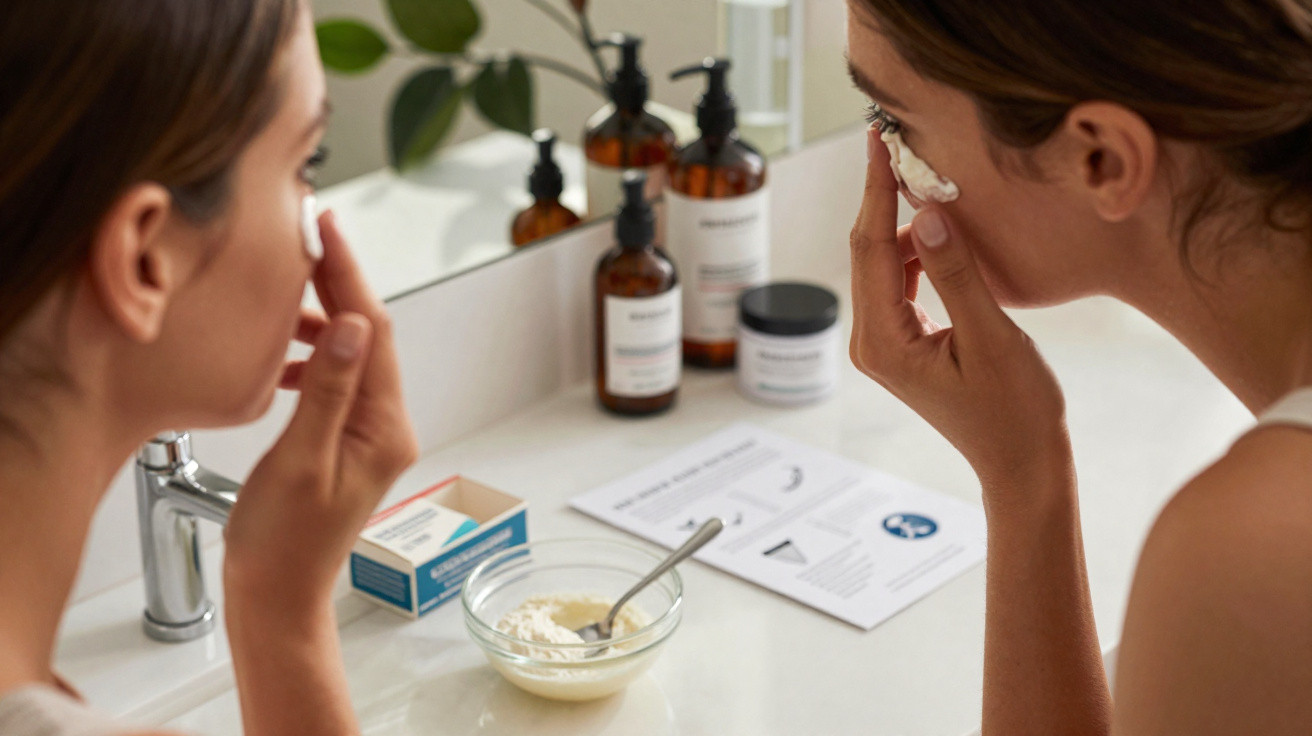
- Combine 2 tablespoons of Nivea cream with 1 tablespoon of extra-virgin olive oil using a clean spoon or small dish.
- Smooth it over clean, slightly damp skin, using gentle circular massage movements.
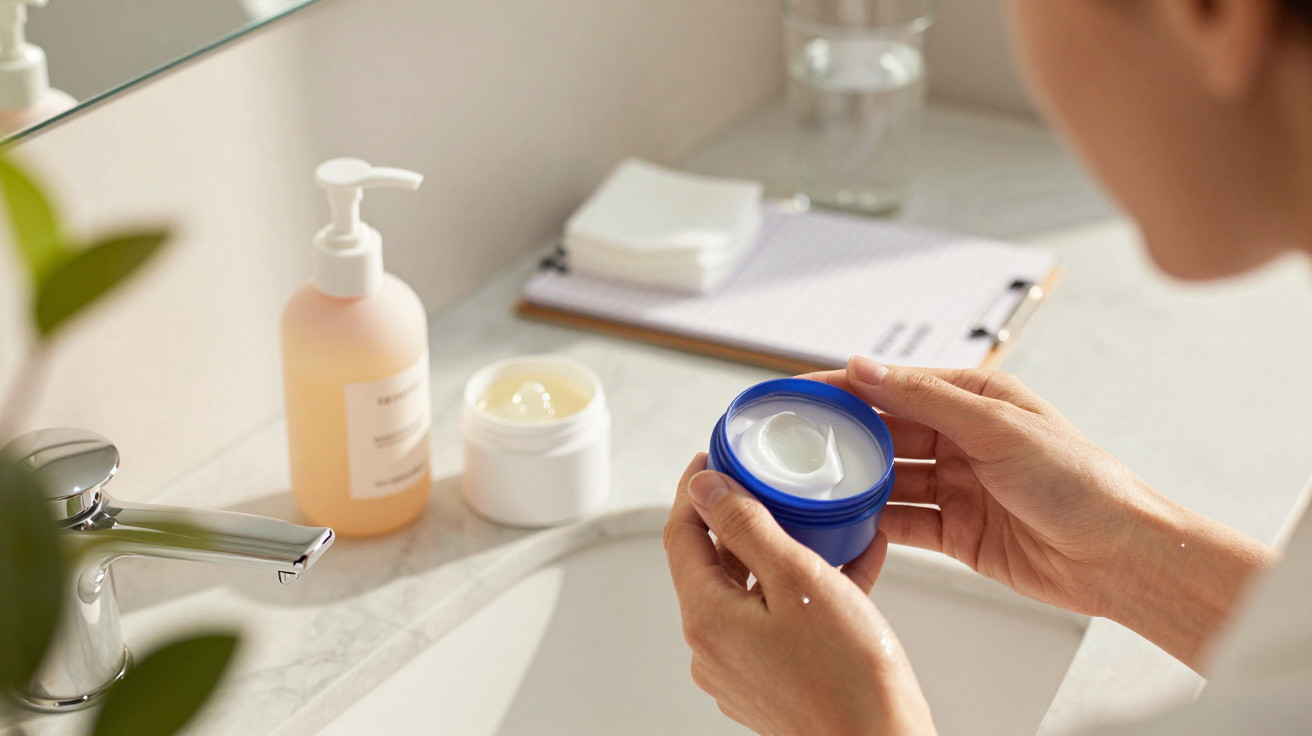
- Leave the mixture in place for 15 minutes, then lightly remove any excess with a tissue or rinse with lukewarm water for a less rich finish.
It is used on the face, neck, hands, elbows and knees. Evening is the most suitable time, with use ranging from one to three nights weekly according to skin dryness and climate.
Who might benefit most
This combination may particularly appeal to very dry, tight or mature skin. It can also help with winter-peeling cheeks and hands that become cracked through frequent washing. When central heating or air conditioning is constantly running, it may serve as a short-term sealing layer over a hydrating serum.
Who should skip or tweak
Skin that is acne-prone, oily or easily congested may not respond well to it on the T-zone. If you have seborrhoeic dermatitis, carry out a patch test before use. Anyone sensitive to fragrance should remember that classic Nivea cream is fragranced. If you react readily, consider fragrance-free occlusives or use squalane instead of olive oil.
“Patch test on the jawline or inner arm for 24 hours. Start with a pea-sized amount on the face, and use it at night to avoid daytime shine.”
What dermatology says right now
Occlusives such as petrolatum limit water loss and can help support a more resilient skin barrier. Combining an occlusive cream with oil alters the texture and comfort more than it changes performance. Research on olive oil is mixed: a number of small studies indicate that it may impair the barrier in certain sensitive skin types, although other people tolerate it without difficulty. Sunflower seed oil and squalane are generally gentler options for many users. Classic Nivea cream works effectively but is substantial, so it may feel overly rich in humid weather or on areas prone to breakouts.
Potential downsides to watch
- Clogging risk: A thicker application can congest pores across the nose, chin and forehead.
- Sensitivity: Fragrance in Nivea cream and the natural compounds in olive oil can irritate reactive skin.
- Layering conflicts: When used underneath, oils may disrupt the texture of some makeup and sunscreen products.
- Shine: In daylight or on camera, the finish may appear greasy.
| Skin type | Likely feel | Suggested tweak | Frequency |
|---|---|---|---|
| Very dry or mature | Comforting, rich | Apply over damp skin; keep full ratio | 2–3 nights/week |
| Normal to dry | Rich at first | Use half the oil; tissue off excess | 1–2 nights/week |
| Combination | Heavy on T-zone | Spot-treat cheeks only | As needed |
| Oily or acne-prone | Greasy, pore risk | Swap olive oil for squalane; thin layer | Occasional |
| Sensitive | Varies | Patch test; try sunflower oil or skip oil | Trial basis |
Cost check and practical recipe
A blend of two tablespoons of Nivea cream and one tablespoon of olive oil provides enough for several face-and-neck applications. When a 150 ml tin costs roughly the same as a few coffees, each batch comes to only a few pence. This is part of its appeal during tighter financial periods: it makes the most of staples already at home.
Storage and hygiene
- Prepare only the amount required for a single evening, reducing the risk of contamination.
- Scoop cream from the tin with a clean spoon or spatula rather than your fingers.
- Secure the lid properly, and store the oil away from heat and sunlight.
Smart ways to tweak the hack
If olive oil is unavailable or simply does not appeal, use several drops of squalane for lighter slip. Sunflower seed oil is often better tolerated than olive oil by reactive skin. Alternatively, apply a hydrating serum containing glycerin or hyaluronic acid to damp skin, followed by Nivea cream alone to lock it in. This retains barrier support without adding another oil.
How to fit it into a routine
- Use it only at night, after cleansing, and avoid getting it into the eye itself.
- If you use retinoids, wait 15 minutes before applying the blend to help cushion possible dryness.
- Never combine it with sunscreen; apply sunscreen in the morning to clean, dry skin.
“Think of the blend as a cold-weather or crisis product: pull it out when skin feels rough, tight, wind-burned, or post-flight.”
Extra notes that matter
Extra-virgin olive oil has more antioxidants, though its scent can be stronger and differ between batches. Refined olive oil has a lighter feel but fewer protective compounds. If the oil has a sharp or stale smell, it may have oxidised and should not be used on the face.
Season and setting can affect how the blend performs. It comes into its own in dry winter conditions. During hot, humid weather, apply a thinner layer or avoid the T-zone altogether. It can be used throughout the year on hands, elbows and heels. If your face is prone to closed comedones, restrict use to the cheeks and patch test regularly.
Massage method also makes a difference. Using light pressure, massage from the centre outwards for 60 seconds. The slip limits friction, warmth assists with spreading and the brief pause allows the cream to settle. Only wipe or rinse if you prefer less residue on your pillow.








Comments
No comments yet. Be the first to comment!
Leave a Comment