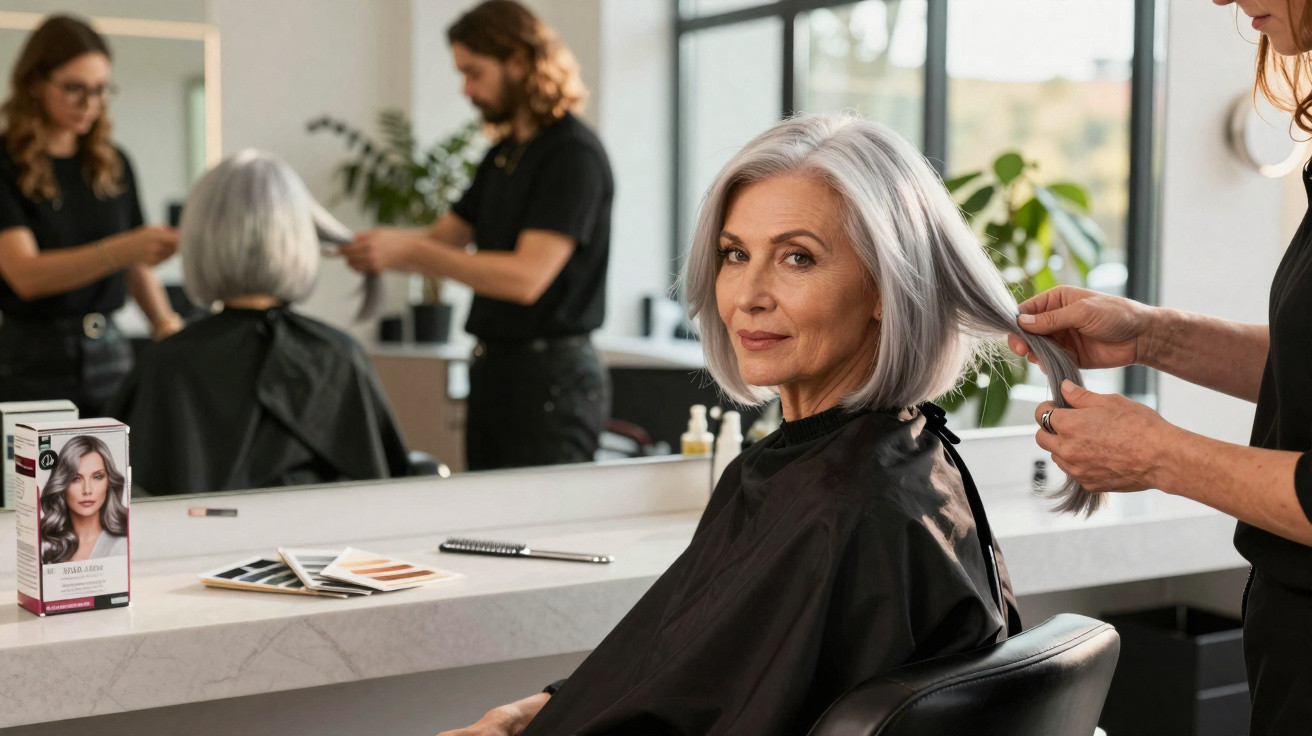
She appears relieved. Her hairdresser is removing two decades of chestnut dye, section by section, revealing a cool silver beneath that resembles frost in the early morning light. In the neighbouring chair, a younger client flicks through her phone and says, “Honestly, I can’t wait until mine looks like that.” The hairdresser chuckles, although a brief flash of concern crosses her face.
Beyond the salon, bus shelters remain covered in adverts claiming “10 years younger in 10 minutes.” Hair dye brands continue to promote glossy brunette, creamy blonde and complete grey coverage. But the images gaining traction on Instagram and TikTok show something else: women and men allowing their grey to take over, somehow looking… expensive. Relaxed. Unburdened.
Grey hair was once the perceived flaw you had to “fix” before the next work meeting. Today, it is a prestige look, refined with toner and premium shampoos. Somewhere in a beauty-company boardroom, a chart is moving in an unwelcome direction. No one is keen to address it.
Grey hair as the new power move
Spend time in any major city and the look becomes impossible to miss. There is the executive in tailored navy, wearing a precise silver bob. Then there is the man in trainers and a charcoal suit, with white at his temples and a salt-and-pepper beard he displays with confidence. Grey hair now carries an energy that does not suggest surrender; it signals authority.
This is not the hesitant, “oh well, I gave up on dye” kind of grey. It is chosen. Groomed. Matched with clear skin, bold brows and perhaps a red lip that says: I know exactly what I’m doing. Grey has moved from the makeover’s “before” image to its “after” image, quietly changing the definition of looking “put together”.
A glance at social media makes the trend almost unmistakable. “Grey hair transitions” attract millions of views, tracking months of regrowth through wobbly bathroom selfies before revealing a complete mane of steel-grey hair. In the comments, strangers write: “You look richer,” “You look like a CEO,” “You look like yourself.”
One UK survey widely circulated within the industry estimated that women over 40 buy permanent home hair colour less frequently than they did five years ago. “Letting the grey grow” was named as an intentional decision rather than a final resort. Salons, meanwhile, report more appointments for “grey blending” than for complete coverage. This is not a passing micro-trend; it is a market change.
Beauty analysts believe a rare reversal in status symbols is under way. Once, continually buying boxes of dye showed that you were “keeping up”. Now, the more desirable image is the woman who can shrug and say, “Yeah, I went grey,” as though she has more worthwhile uses for her time and money. When hair becomes a subtle rebellion against anti-ageing culture, every uncoloured root can seem like a modest act of protest.
The quiet panic inside hair dye brands
Major beauty businesses are not releasing reflective essays on the subject. They are reviewing their spreadsheets. Sales of hair colour have levelled off across several mature markets, while products designed for grey hair - toners, purple shampoos and gentle glosses - are increasing. That is no accident; consumer behaviour is changing beneath their feet.
Imagine a brand whose message for decades has been: “Cover the grey, or you’ll regret it.” Then, seemingly overnight, customers begin tagging the brand in proud silver selfies. Its old slogan suddenly sounds a little insulting. Its models appear old-fashioned. Its promise starts to feel like a warning. The marketing operation begins to strain.
Marketing teams have already begun to adjust. Campaigns are trialling gentler phrases, such as “enhance grey” in place of “erase age”. Product launches now promote “blending” rather than “total coverage”. There is discussion of “lived-in colour” and “soft transition kits”, rather than dramatic before-and-after transformations. The business model remains, but its voice has shifted.
The central strategic concern is straightforward. If millions of women stop colouring every four weeks and instead wait until every twelve, that removes a substantial portion of repeat income. If men no longer panic at the first white hairs in their beards, that is another loss. Grey hair as a beauty ideal challenges more than an aesthetic; it disrupts an extremely profitable cycle of habit.
Making grey hair your best feature, not a compromise
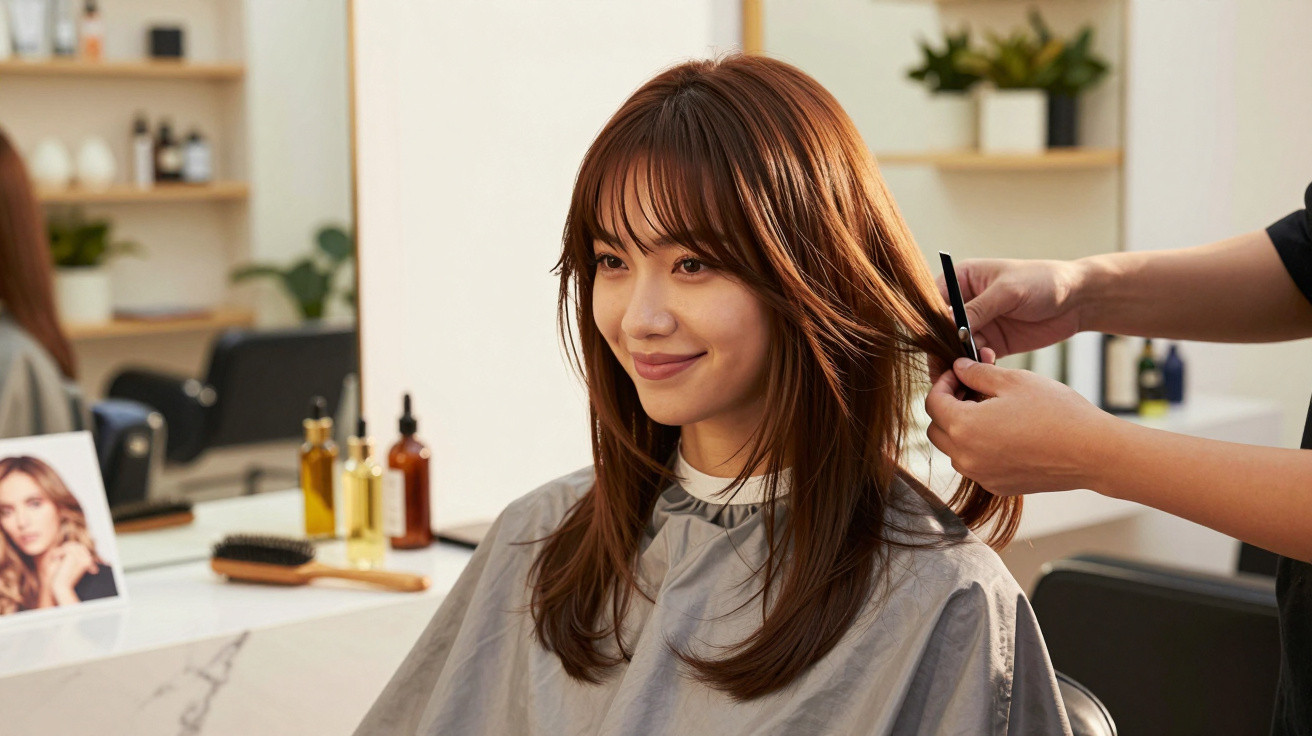
Choosing to grow out grey hair can be freeing and frightening at once. The colour itself is not the problem; the in-between stage can be difficult. This is where technique becomes important. The smoothest transitions often begin with a haircut, taking away some length so the line between colours appears less harsh and more deliberate.
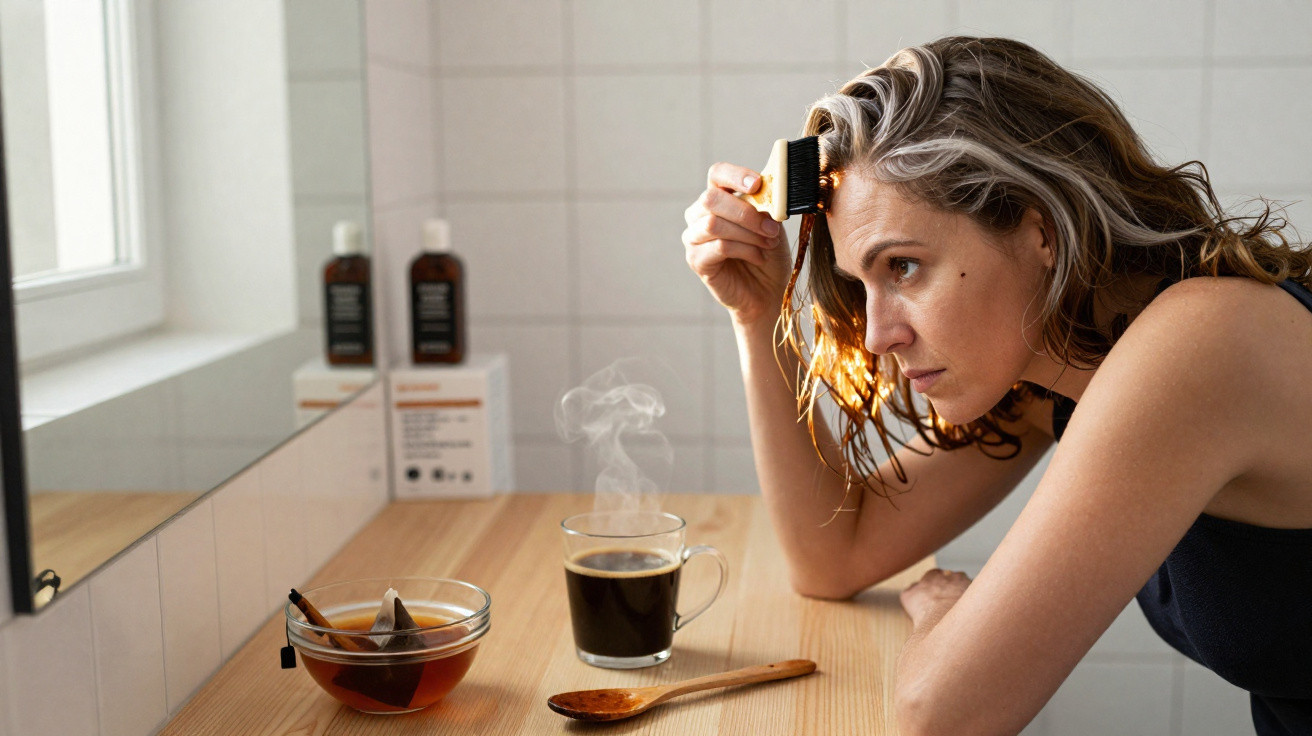
Next comes blending. A skilled colourist can apply exceptionally fine highlights or lowlights close to your natural colour, reducing the contrast between previous dye and emerging silver. Across several months, artificial pigment is gradually reduced while the grey takes centre stage. It is less a dramatic reveal than a gradual move towards something cooler.
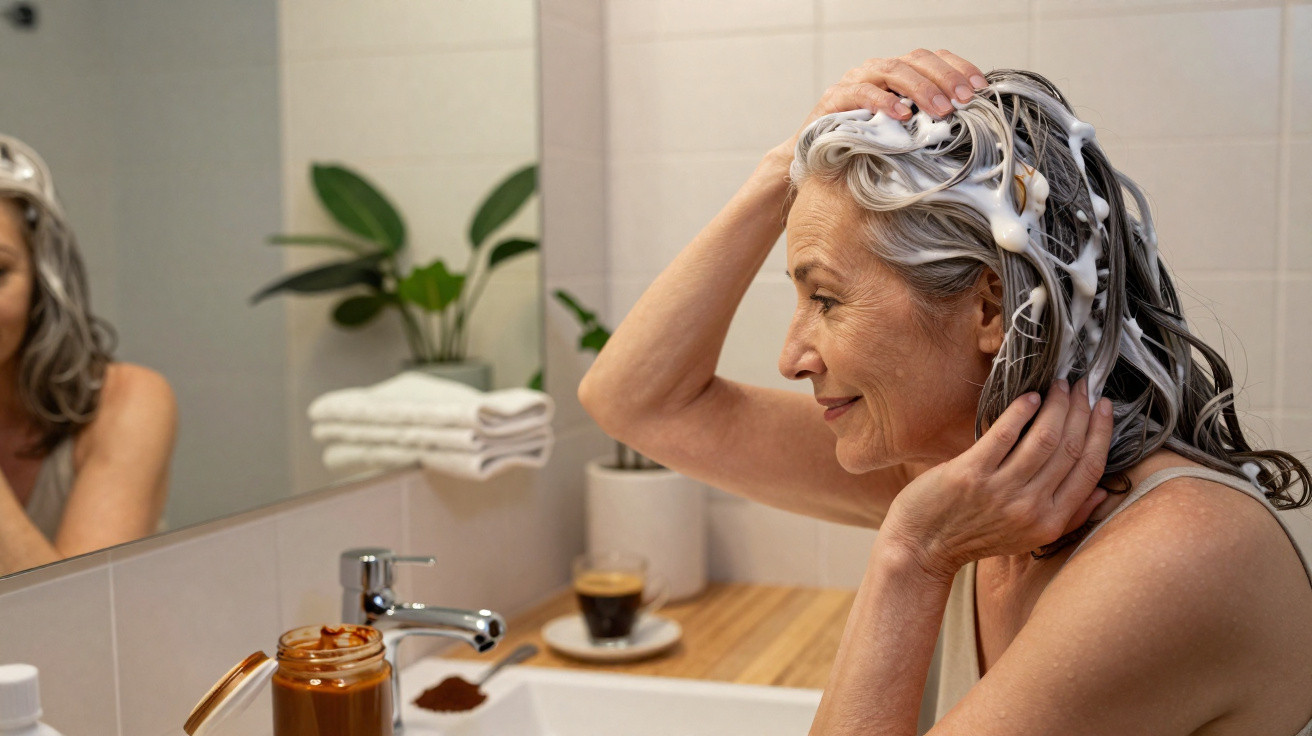
At home, the focus changes from concealment to maintenance. Without suitable care, silver hair may become yellowed or dull. Using violet shampoo once weekly can neutralise brassiness, while a nourishing conditioner prevents the texture from becoming wiry. Let’s be honest: nobody really does that every day. Even so, a relaxed routine can transform lacklustre grey into the luminous, “expensive” silver that everyone double-taps.
There is a psychological element, too. Giving up dye means confronting the ideas you have connected to “looking young”. Some people feel unsettled when colleagues say, “Wow, you’re so grey now,” even if they mean it positively. On a difficult day, catching your reflection in a shop window can hurt. On a better day, you may notice cheekbones and eye colour that had been hidden by your former shade.
In practical terms, it can help to choose a moment that feels significant: a new job, a move to another city or even a birthday. Frame it as a style evolution rather than a defeat. On an admittedly superficial level, refreshing your haircut, brows, glasses or lipstick at the same time can prevent grey from appearing “tired” and make it clearly read as a “deliberate choice”. Small adjustments can have a major effect.
“When clients come in whispering, ‘I think I want to go grey,’ I tell them, ‘You’re not giving up. You’re levelling up. The world just hasn’t caught up yet,’” confides a colourist who’s been in the industry for 25 years.
- Arrange at least one “transition consultation” with a professional, even if you expect to handle most of the process at home.
- Save screenshots of three grey styles you genuinely like - not only models of your age, but real people with similar hair texture and haircut inspiration.
- Prepare for several months of headbands, buns or scarves during the awkward striped stage. It passes more quickly when you are not looking at it every day.
- Consider your budget: the initial blending sessions may cost a little more, but you could spend far less on continual colouring in the years that follow.
The new face of age - and who gets excluded
Calling grey hair a “new facelift” sounds appealing until you consider what lies behind it: we are still preoccupied with managing age, simply in another way. Looking “naturally” older-but-amazing has become a performance of its own. The silver-fox image, linen shirts and minimalist skincare shelf all communicate quiet luxury.
There is a problem of visibility as well. The grey hair celebrated online is often shiny, thick and carefully styled, appearing on people who still meet narrow beauty ideals. Limited budgets, demanding work and chronic stress leave their mark on hair too. Dryness, thinning and uneven growth are less likely to go viral. This new story risks separating people into “aspirational grey” and “just old”.
We all recognise the moment when a well-intentioned remark feels wrong: “You’re so brave for going grey!” Brave in comparison with what? Purchasing another box of dye each month until your hands shake? Such praise often exposes our unresolved anxieties about ageing more than it says anything about the person before us. Grey hair forces us to look straight at what we’ve been dodging for years.
Behind closed doors, hair dye brands are rapidly recalibrating. Some will adapt by supporting the grey journey rather than opposing it. Others will hold on to fear-based marketing, presenting anti-grey products as the final defence against time. As more people quietly leave that pattern behind, the true makeover is not limited to the mirror. It is found in how we judge value, desirability and what qualifies as “looking good for your age”.
We are at an unusual turning point. The silver strands that once prompted an urgent salon booking are becoming a discreet, contemporary status symbol. For some people, they stand for financial freedom from continual colouring. For others, they are a political response to age-shaming. For a few, they are simply the easiest and most honest beauty choice they have ever made.
Hair dye brands can rename, reformulate and repackage. They can change their wording from “cover” to “care”, and from “erase” to “enhance”. Their unspoken anxiety concerns more than falling sales; it is about losing their preferred narrative: that youth is the only currency with value. As grey-haired people fill boardrooms, catwalks and Instagram feeds, that narrative begins to sound out of tune.
The next time you see a silver bob pass by in the street, pay attention to your initial response. Admiration? Pity? Curiosity? That instant reaction reveals much about the stories taking up space in your own mind. Perhaps the real facelift is not the hair at all, but the mindset finally catching up with it.
| Key point | Detail | Why it matters to the reader |
|---|---|---|
| Grey as status | Grey hair is changing from a “problem to fix” into a “look to curate”. | It can help you regard your own grey as an asset rather than a failure. |
| Industry pivot | Hair dye brands are quietly repositioning themselves around “blending” and “enhancing”. | It provides context for the new products and slogans appearing around you. |
| Transition strategy | Cut, blend, then maintain with straightforward grey-friendly routines. | It offers a realistic route to going grey without feeling “in between” indefinitely. |





Comments
No comments yet. Be the first to comment!
Leave a Comment