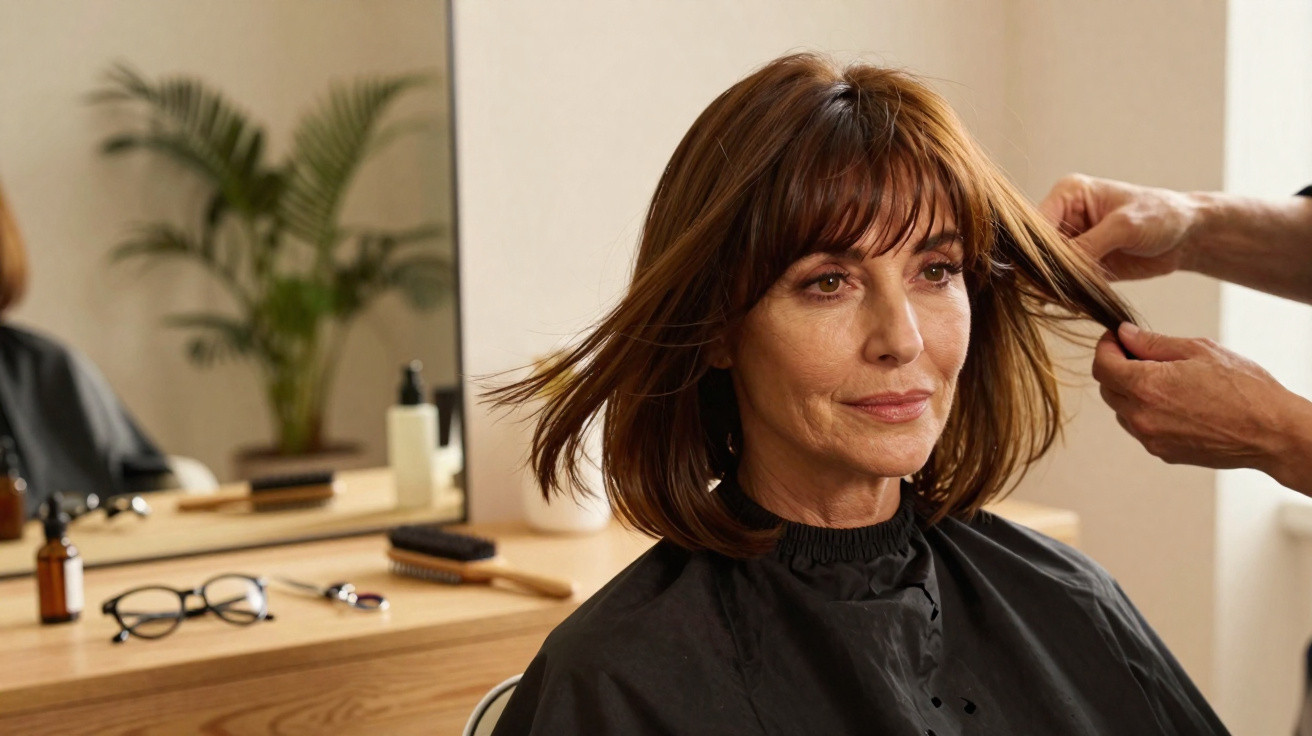
As hair becomes finer and facial definition changes over time, the right haircut can act as a subtle anti-ageing tool. Stylists explain that particular silhouettes, layers and fringes may visually elevate the face, blur the appearance of wrinkles and give hair a fuller-looking finish – at times making you appear 10 years younger.
Why a haircut matters after 50
From menopause onwards, falling oestrogen levels can leave individual hairs finer and slow their growth. Meanwhile, skin becomes less firm, the jawline loses some definition and expression lines may become more noticeable.
A thoughtful cut can redirect attention to your eyes and cheekbones, sharpen the jawline and create the illusion of thicker hair.
Long, weighty lengths can pull facial features downwards, while overly rigid, sharply constructed styles may draw attention to every line and shadow. Contemporary anti-ageing cuts strike a balance: they are softer, lighter, more textured and simpler to manage every day.
The most flattering anti-ageing cuts recommended by stylists
1. The long layered bob with curtain fringe
The long bob, widely known as the “lob”, falls from the collarbone to just above the shoulders and is a popular choice among stylists with clients over 50. Add layers and a curtain fringe, and it can produce a noticeably youthful result.
Delicate layers around the face introduce movement, preventing hair from sitting flat against the cheeks. In turn, this can refine the jawline and make the face appear more oval and defined.
A curtain fringe, worn with a centre parting or a slightly off-centre one, brushes the brows before opening out at the cheekbones.
By breaking up the forehead and framing the eyes, a curtain fringe can make the face look smaller, slimmer and more lifted.
- Ideal length: between chin and collarbone
- Best texture: straight to softly wavy hair
- Bonus effect: hides forehead lines without feeling like a heavy block fringe
Rather than requesting a harsh, choppy style, ask your stylist for subtle layers that frame the face. The aim is soft movement rather than a spiky effect.
2. The “mob” cut: a medium bob with clever volume
The “mob”, meaning medium bob, sits near the base of the neck and suits almost all face shapes. It can be particularly helpful when hair is beginning to thin around the crown or temples.
Light layers and texture through the front can bring out the cheekbones or soften a pronounced jaw. Keeping the back marginally shorter than the front also prevents the overall outline from becoming too heavy.
The mob gives extra lift around the temples and forehead, where many women lose volume first, which helps the face look fresher and more open.
It is well suited to women who want retained movement and swing but no longer wish to maintain long hair. The cut dries well naturally, responds easily to curls and waves, and can be smoothed into a sleek evening style.
3. The bixie: between pixie and bob
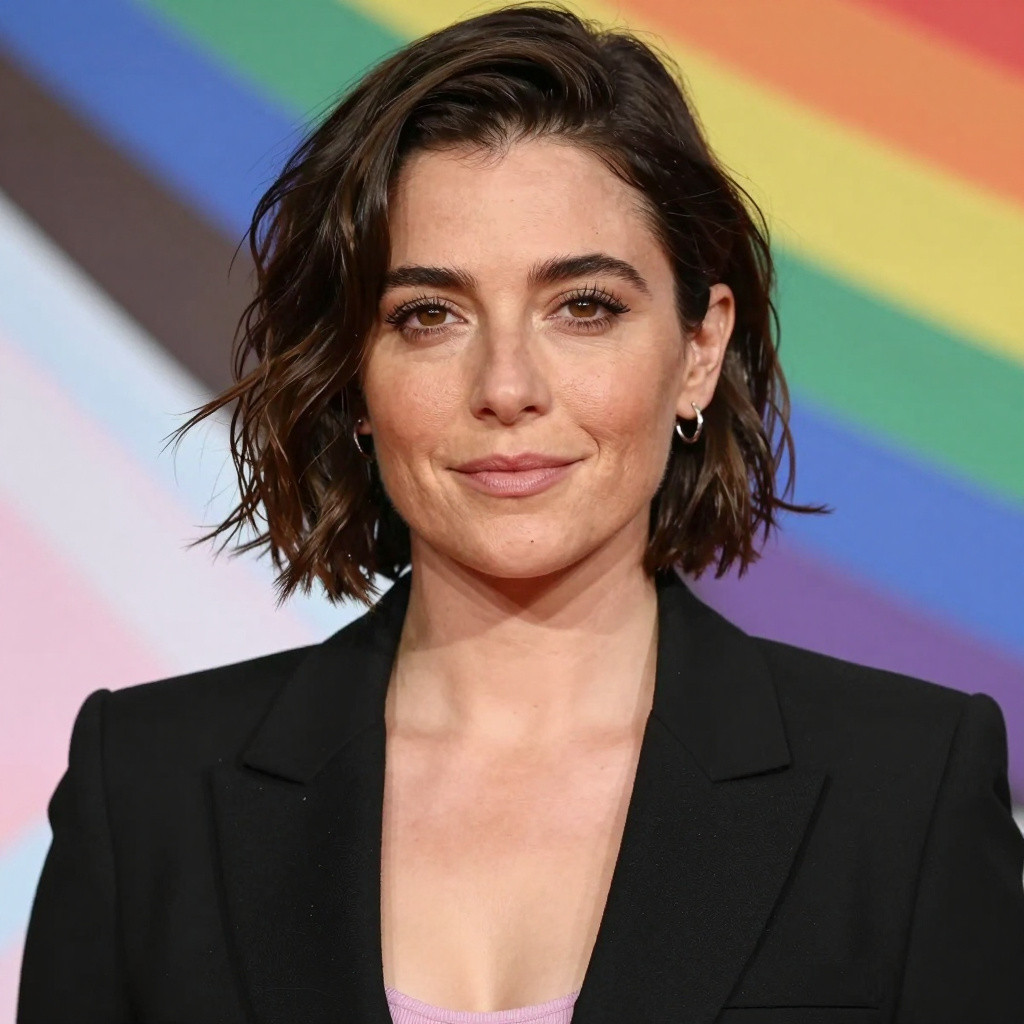
The “bixie” combines a bob’s softness with the airy feel of a pixie cut. It is typically short at the sides and nape, with longer feathered sections over the top and around the face.
For those reluctant to make a dramatic move to very short hair, it offers a flexible middle ground. The length is adaptable: some may choose a front that reaches the cheekbones, while others prefer something nearer to a traditional crop.
The strength of a bixie lies in its flexibility: it can be styled sleek and polished, messily textured, or swept off the face for an instant mini-face-lift effect.
Removing weight from the ends can make fine hair appear thicker. Texture through the crown also creates height, which visually elongates the neck and directs attention upwards, away from the jaw and lines on the neck.
Layers, texture and movement: the real youth boosters
Rather than relying on one supposed “miracle” haircut, stylists use three key techniques: layers, texture and movement. Combined, they bring volume, lightness and softness to the features.
How layers can reshape the face
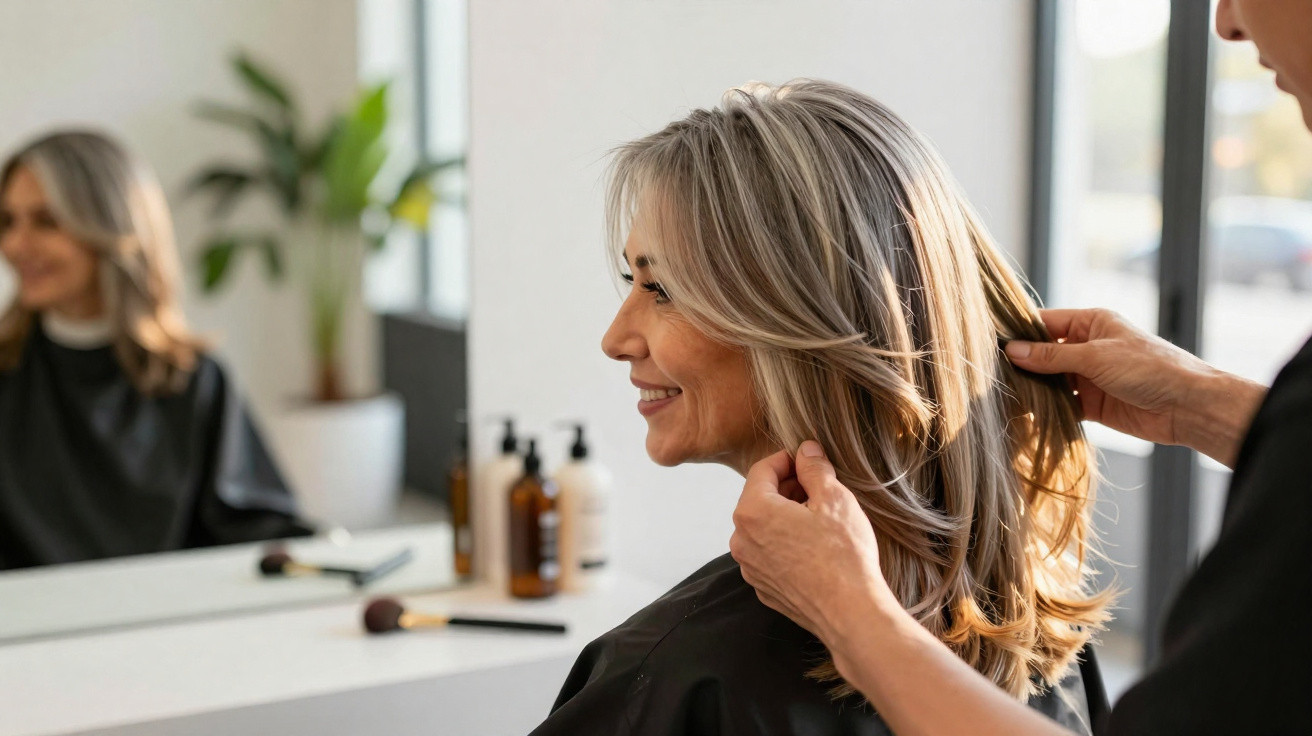
Carefully positioned layers take away unnecessary weight and create lift in the areas where the face benefits most. Around the cheeks and jawline, they can soften areas of sagging and make smile lines seem less pronounced.
| Face concern | Layering trick |
|---|---|
| Softening jawline | Layers that start just below the chin to create subtle volume there |
| Prominent nose | Face-framing pieces around the mid-face to balance proportions |
| Heavy cheeks | Long, diagonal layers that slim the sides of the face |
| Thin hair | Light layering through the ends to fake density without thinning too much |
Moderation is essential. Too many layers may leave fine hair looking scant, so if your hair is fragile, request “soft, blended layers” rather than “lots of layers”.
Why movement reads as youthful
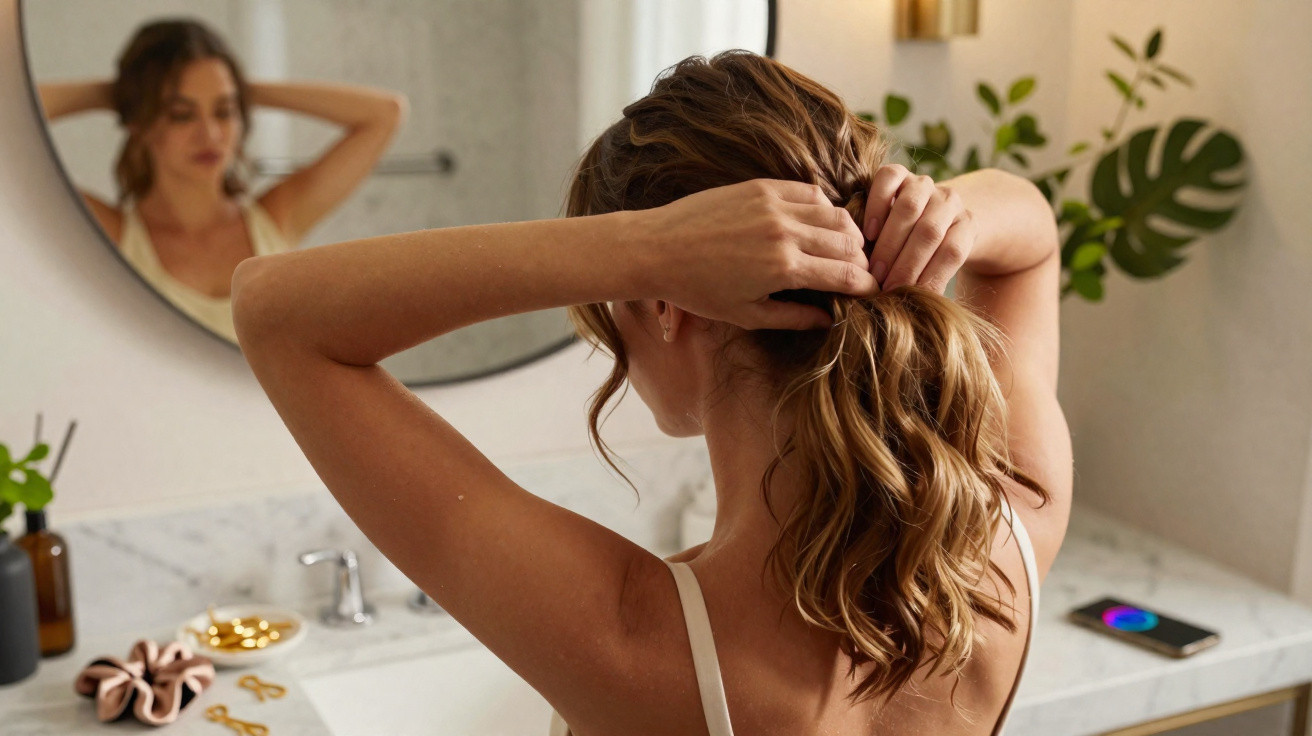
Hair that is static and inflexible can make the face look older. Gentle bends, flicks or waves instead suggest energy and ease. Even a short style can achieve this with a small amount of texture paste or a light blow-dry using a round brush.
Soft waves also interrupt the straight vertical lines beside the cheeks that can emphasise wrinkles. Several curled strands around the face form a flattering halo that works well with mature features.
Choosing the right cut for your lifestyle and hair type
Age is only one consideration when selecting a haircut. Your routine, hair texture, and even mobility in your neck and shoulders can all influence the most suitable choice.
- Time for styling: If you want a fast wash-and-go routine, choose a cut that dries well naturally and requires only a spritz of styling spray.
- Hair density: Very fine hair is helped by shorter, structured styles; thicker hair can carry longer, weightier shapes.
- Texture: Naturally wavy hair is an advantage, as many of these cuts look best with a lightly tousled finish rather than poker-straight styling.
- Accessories: Gentle clips, slides and headbands can raise the front of the hair and add interest without pulling on delicate strands.
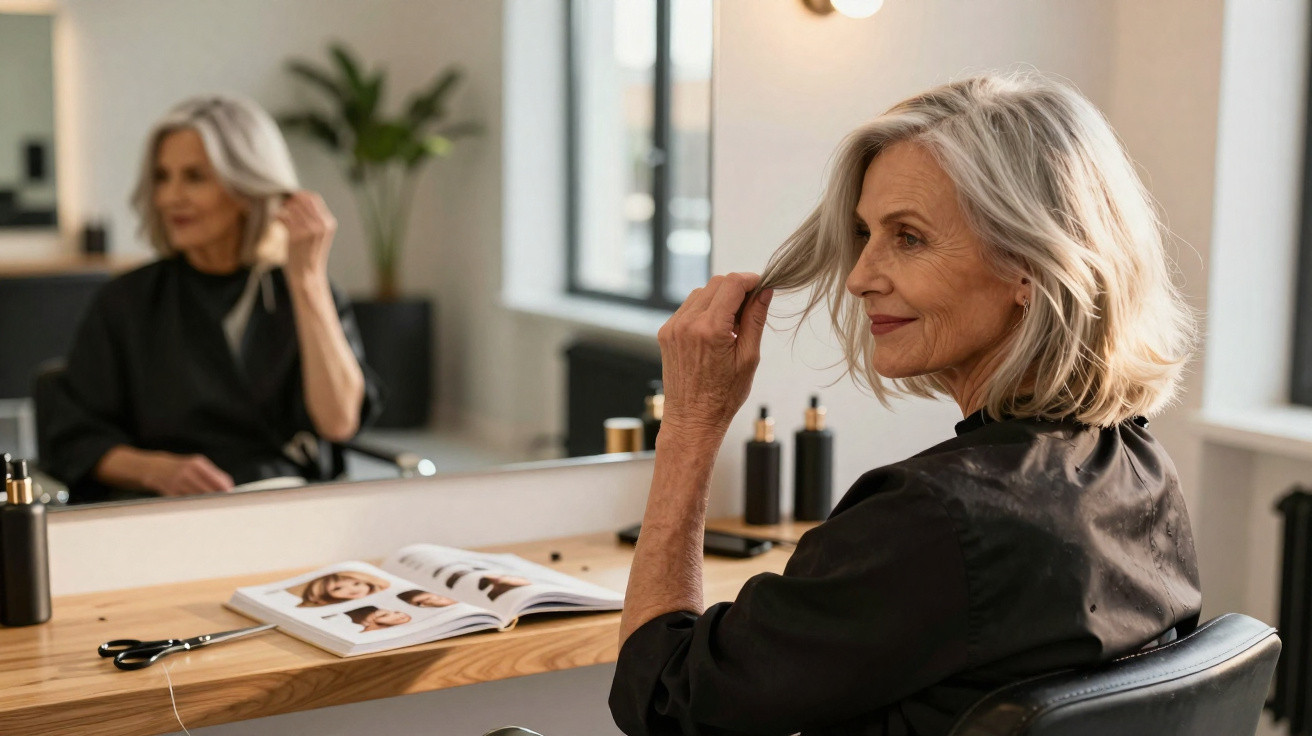
Good communication with your stylist is useful. Take along photographs of styles you like, but explain what you do not want as well, whether that is excessive volume at the crown, severe jaw-level lines or a fringe requiring daily straightening.
Small adjustments that make a big difference
A modest alteration can sometimes be more effective than a major chop. Removing a few centimetres of length may immediately lessen heaviness and brighten the face. A barely-there fringe can also disguise pronounced forehead lines without the commitment of a full fringe.
Colour matters too. Soft highlights or lowlights placed around the face can recreate the flattering quality of good lighting, reducing shadows and drawing focus to the eyes. Close to the face, very dark, flat colour may accentuate fine lines and dark circles.
Practical scenarios to consider
Consider a woman in her late fifties with long, straight, dark hair who has begun noticing thinning around her parting. Moving to a mob with gentle layers and a broken-up fringe can lessen root contrast and conceal sparse sections, while the shorter length prevents the hair from weighing down her features.
In another case, a woman in her sixties may have natural curls and a rounder face. A rounded, layered lob that removes weight from the ends and defines the curls may slim the face more successfully than a very short cut, which could create a helmet effect.
Maintaining the “10 years younger” effect
Without simple upkeep, even an excellent haircut will lose its definition. Trims every six to eight weeks preserve the shape and keep ends healthy. Fine, ageing hair is more susceptible to breakage, making gentle brushing and heat-protection sprays especially worthwhile.
Styling products should generally be lighter than those you may have used in your thirties. Dense gels and heavy waxes can flatten fine hair and make sparse areas more visible. Choose volumising sprays, lightweight mousses and soft texturising creams for body without stiffness.
The goal is not to hide your age, but to work with it: a modern cut that respects your hair’s texture can showcase your features at their best.
After 50, selecting a hairstyle is less about pursuing youth than taking a strategic approach. The right length, layering and movement can discreetly turn back the clock, helping you look more rested, defined and confident whenever you see your reflection.










Comments
No comments yet. Be the first to comment!
Leave a Comment