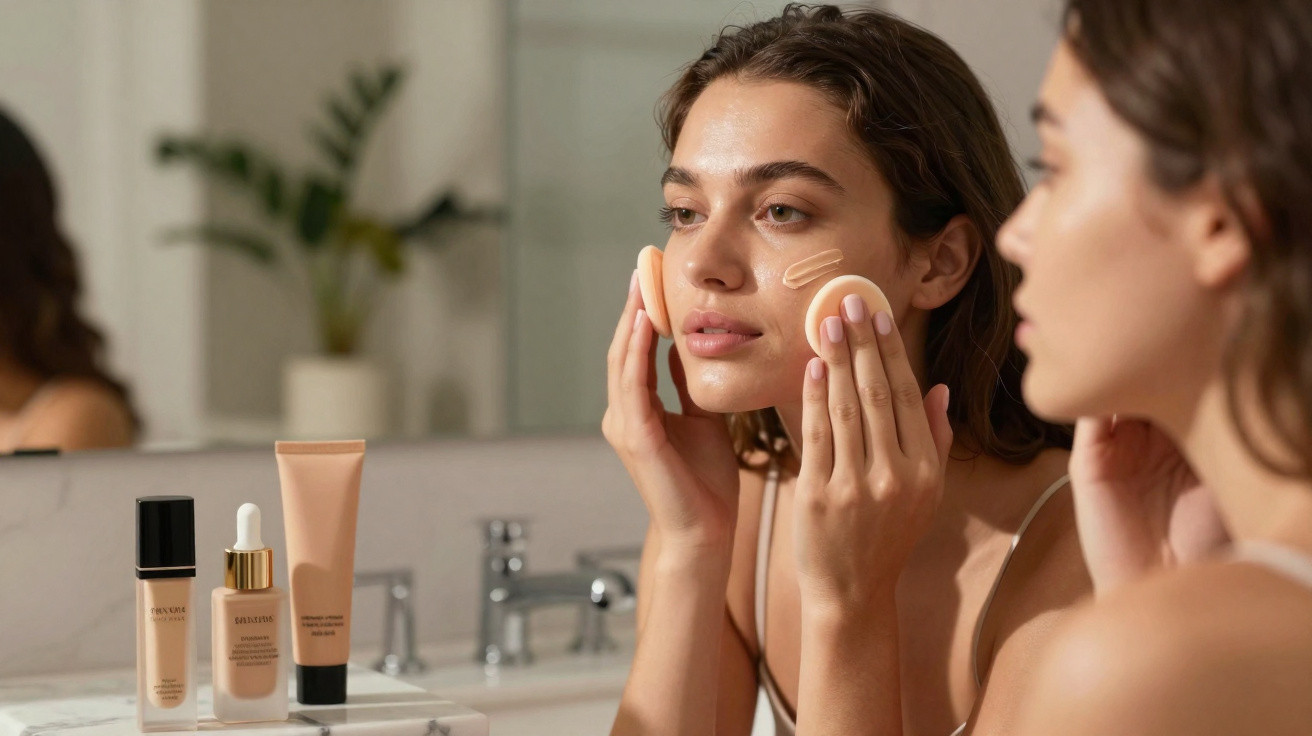
Often, the problem is not the product itself but the wrong type of make-up.
A flawless complexion should look like naturally good skin, rather than as though you are wearing lots of make-up. This is precisely where foundation often falls short in everyday life: patchiness, dry areas, a shiny T-zone or a mask-like finish. Choosing the right product for your skin type and applying it thoughtfully can make you look noticeably fresher and younger with very little product.
Which type of foundation really makes skin look better
The key is that the best foundation is barely noticeable. It should blend into the skin, even out imperfections and still allow texture, freckles and natural freshness to show through.
“The foundation that genuinely enhances the complexion is usually lightweight, flexible, easy to blend and suited to your individual skin type.”
A modern “skin-like” complexion mainly comes from the following qualities:
- Light to medium coverage: Redness and blemishes are softened, without leaving the skin looking “caked on”.
- A liquid or creamy texture: It sits on the skin like a fine layer and moves with facial expressions.
- Skincare ingredients: Hydration, soothing components or anti-ageing ingredients can improve how the skin feels.
- A flexible finish: Not intensely matte or greasy-shiny, but natural and full of life.
Products that combine skincare and make-up work particularly well for everyday wear. They even out the complexion without causing further issues such as dryness, shine or more pronounced fine lines.
Which foundation to avoid if you want a beautiful complexion
Knowing what to leave on the shelf is just as important as making the right choice. Many make-up professionals agree that overly rigid, full-coverage and very powdery textures can be problematic.
“Foundation that accentuates fine lines, highlights pores or leaves the skin looking dull immediately takes away freshness and makes the face appear older.”
The following can be particularly troublesome:
- Very heavy, high-coverage formulas: These can quickly create a “mask effect” and tend to settle into lines and pores.
- Thick mousse textures: They often feel soft, but can visually freeze facial expressions and draw attention to dry patches.
- Dry, highly mattifying powder foundations: Especially on mature, dry or sensitive skin, they can look dull, make lines more visible and remove all liveliness from the face.
Reaching for these products to “cover everything” often has the opposite effect. Imperfections can become more noticeable as the foundation settles or flakes throughout the day.
The right foundation texture for every skin type
Normal to combination skin: the most versatile option
If your skin is generally uncomplicated, you can wear almost any texture. That offers plenty of choice, but it can also encourage you to use more than necessary.
- Liquid foundation: Ideal for gently evening out the complexion. It layers well without looking too heavy.
- Compact or powder foundation: Convenient when you are out and about or have slight shine, provided the formula is not too dry.
- Choose the finish as needed: A subtly radiant finish for skin that looks dull, or semi-matte for everyday office wear.
The important thing is to reduce shine only where it is bothersome, usually on the forehead, nose and chin, rather than making the whole face completely matte.
Dry skin: hydration before coverage
Anyone prone to dryness needs a foundation that works more like tinted skincare. Dense powder particles or strongly mattifying formulas can quickly cause tightness and make flaky areas visible.
“Liquid or creamy foundations rich in moisture and gentle oils immediately make dry skin look smoother and fresher.”
Useful choices include:
- Liquid or creamy textures containing hyaluronic acid, glycerine or plant oils.
- Light coverage, supplemented with concealer only on redness or post-blemish marks.
- Very little powder, if any at all - at most on the T-zone.
Trying to conceal dryness with high coverage usually only makes every line and flake stand out more.
Oily skin: mattify without suffocating it
Shine, enlarged pores and rapid oiliness can easily lead people with this skin type towards extremely mattifying products. They may help in the short term, but can put strain on the complexion over time.
Better options are:
- Oil-free, lightweight liquid foundations that blend well with the skin.
- Mattifying but finely milled powder, used only where shine is an issue.
- Mineral powder, which absorbs excess sebum without completely clogging the pores.
A completely flat matte finish can quickly look dated and unnatural. A controlled, natural matte effect with a little life left in the cheeks works better.
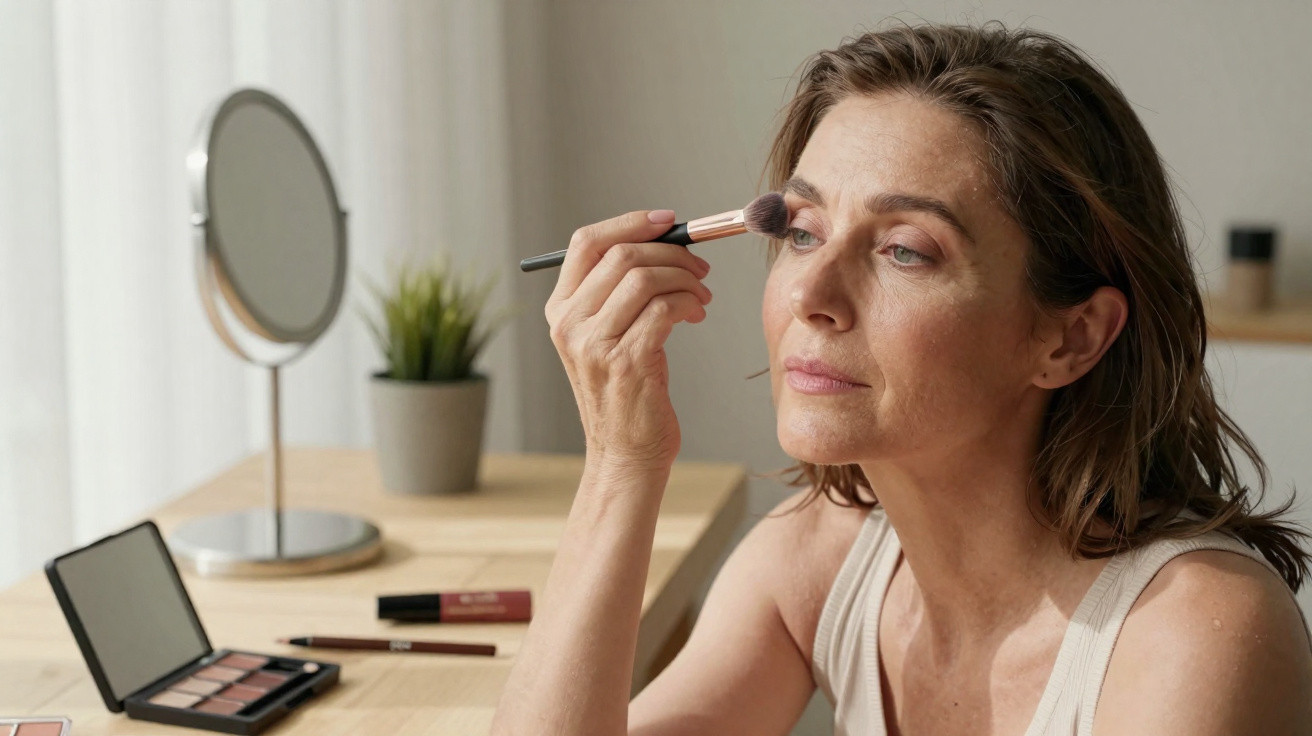
Mature skin: less powder, more lightness
Skin changes with age: it becomes thinner, loses firmness and tends to become drier. Foundation should not intensify these changes, but instead create a smoother-looking effect.
“For mature skin, professionals nearly always choose lightweight liquid textures and avoid thick mousse or powder foundations.”
The most suitable options are:
- Very fine liquid formulas with skincare benefits and a subtle light-reflecting effect.
- Medium, buildable coverage, rather than immediately “covering everything up”.
- Powder applied extremely sparingly, only on areas that genuinely become shiny.
High-coverage, dry products settle into fine lines and sharpen expression lines. A hint of radiance, by contrast, immediately makes the face look more awake.
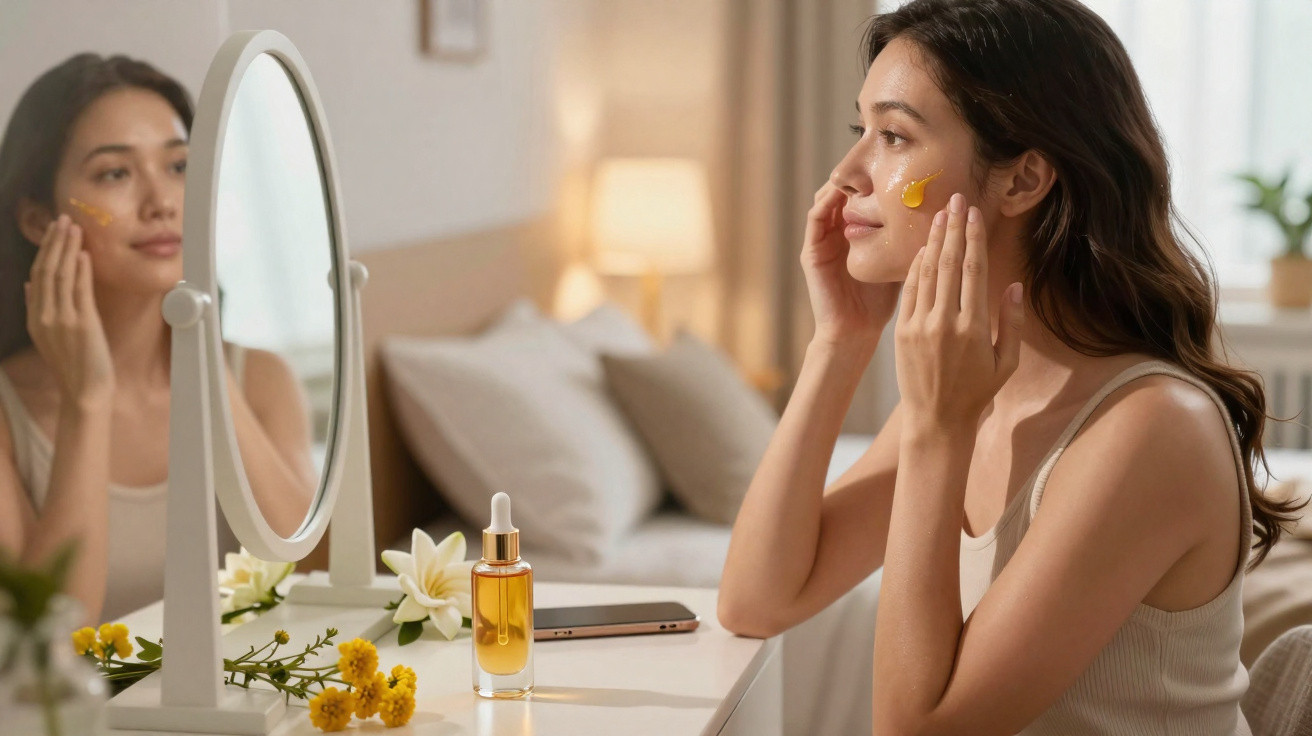
More than make-up: foundation as part of skincare
Modern formulas now do far more than simply “paint over” the skin. Many contain:
- Moisturising ingredients such as hyaluronic acid, which can visually smooth small dehydration lines.
- Anti-ageing ingredients such as peptides or antioxidants.
- UV filters, which provide additional sun protection in everyday life.
Although such products do not replace proper skincare or a separate sunscreen, they can support the skin throughout the day and make the complexion look more even and healthier.
Application: creating the “second-skin” effect
Even the best foundation can look unnatural if it is applied like a mask. Technique plays an important part in the final result.
- Use less product: Place a small amount of foundation on the back of your hand or a palette.
- Work from the centre outwards: Start in the middle of the face - the nose, cheeks and centre of the forehead - then blend outwards.
- Choose your tool according to preference:
- Fingers for a natural, lightweight finish.
- A brush for precise, even application.
- A damp sponge for especially soft edges.
- Conceal selectively rather than all over: Dab concealer only onto individual areas instead of covering the entire face.
- Use powder only where needed: Apply it lightly over the T-zone, not on every area that is not shiny.
If you still clearly feel heavily made-up when you look in the mirror at the end, use a lightly dampened sponge to lift away excess product and let more skin show through again.
Mistakes that can make the complexion look older
A few common pitfalls appear in almost every make-up routine:
- The wrong undertone: A shade that is too yellow or too pink can make the complexion look unhealthy or patchy.
- Too much product around the eyes: This emphasises fine lines and can make the eyes look tired.
- No blend into the neck: A visible line immediately looks artificial.
- Too much powder all over the face: This removes all freshness and can leave the skin looking dull.
Working in thin layers instead, while checking how the skin looks in daylight as you go, usually creates a much more polished result - whether the product comes from the high street or the luxury market.
Why terms such as “coverage” and “finish” matter so much
Many people think foundation is only about choosing the right shade. Two other qualities are at least as important: coverage and finish.
- Coverage describes how much of the skin’s texture remains visible. Light coverage allows freckles and redness to show through; high coverage conceals almost everything completely.
- Finish refers to the visual effect on the skin: glowy, natural, semi-matte or strongly mattifying.
People prone to blemishes do not automatically need the highest-coverage option. Light to medium coverage paired with targeted concealer is often enough. The complexion then looks far more natural while still appearing even.
A lightly radiant finish can help dull, tired-looking faces, but on very oily skin it can quickly look like “too much”. Semi-matte formulas often sit between the two and tend to work most reliably for many skin types in everyday life.






Comments
No comments yet. Be the first to comment!
Leave a Comment