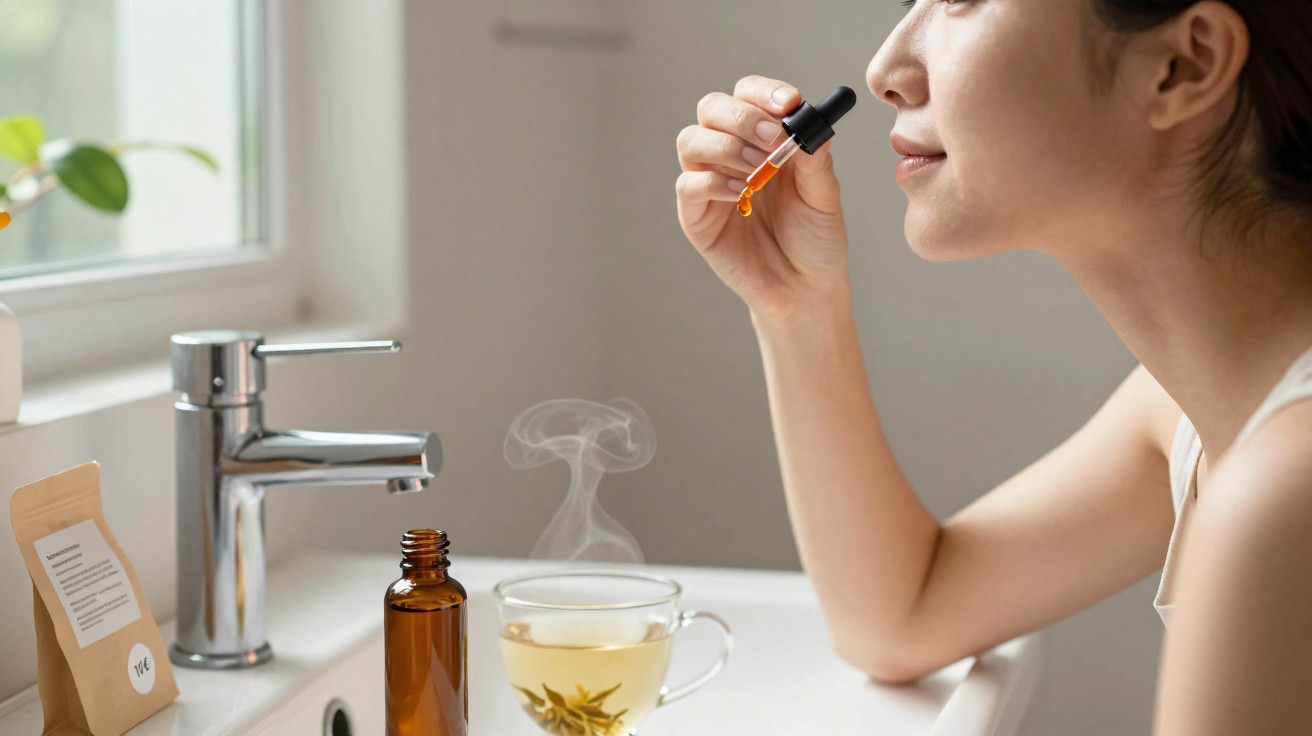
While many anti-wrinkle serums are edging towards £50, a natural formula available in French pharmacies for less than €10 is attracting growing interest. Its modest packaging conceals a surprisingly powerful antioxidant more commonly found in high-end skincare.
An affordable serum that slots into your routine
The product is Weleda Astaxanthin Serum Drops, a concentrated anti-ageing treatment by the established natural beauty company. Rather than claiming to transform skin overnight, it is intended as a versatile booster that can be added to an existing skincare regimen.
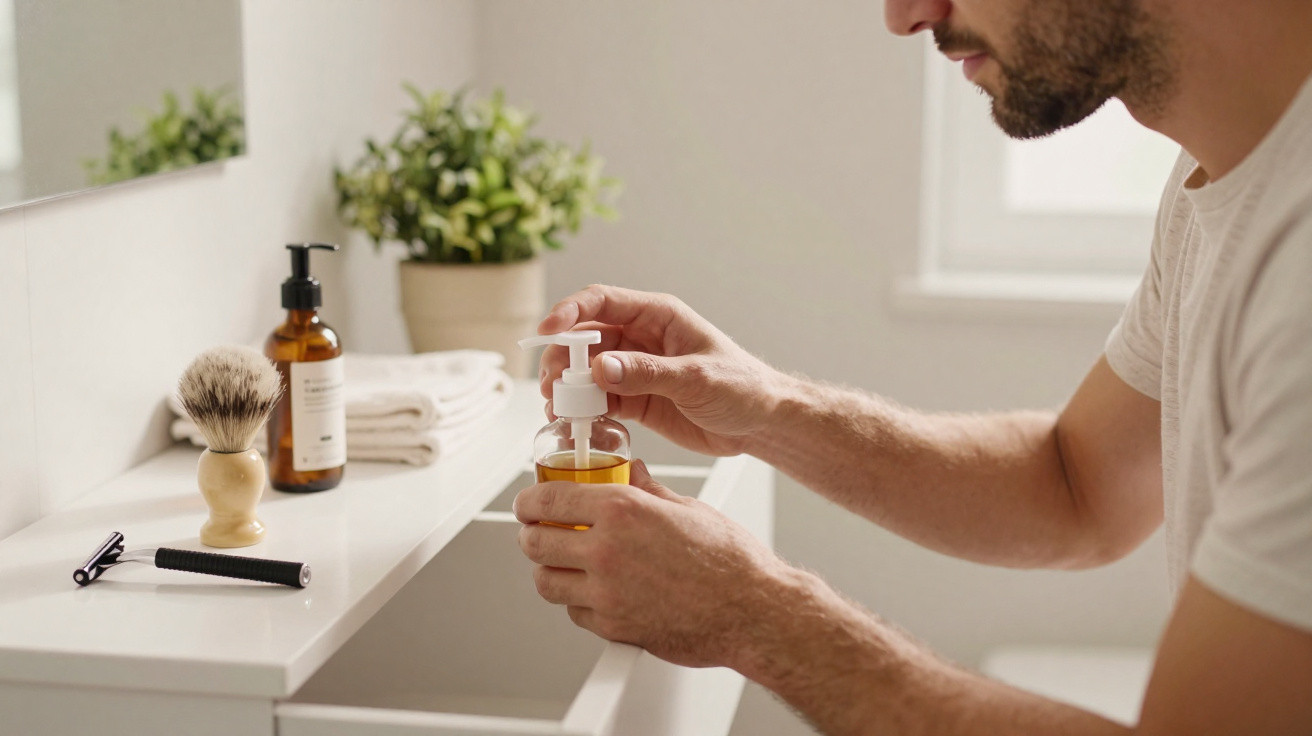
Its lightweight, runny consistency is more like a facial oil than a conventional creamy serum. Just two or three drops are required for each application. Apply them to freshly cleansed skin, or blend them into your regular daytime or night-time moisturiser.
Think of it less as yet another step in the bathroom cabinet and more as a strength upgrade for the products you already own.
This “cocktail” method suits those seeking focused anti-ageing care without replacing their entire skincare collection. It also gives many people a lower-cost opportunity to try a high-performance active ingredient without investing in a luxury name.
How to use it for best results
Weleda’s advice, alongside general dermatological guidance for serums, is that regular use matters more than using a large amount. A standard routine using this product could be:
- Morning: cleanse, smooth 2–3 drops of serum over damp skin, then use moisturiser and SPF.
- Evening: cleanse, then apply 2–3 drops either directly or mixed with night cream.
When used in this way, one 30 ml bottle priced at €9.44 may last for several weeks, including with daily application. This makes the price per use considerably lower than that of many anti-ageing products launched in pharmacy skincare ranges.
Astaxanthin: the understated antioxidant powerhouse
The attention surrounding this inexpensive serum centres on a single ingredient: astaxanthin. This naturally occurring pigment comes from microalgae and is responsible for the pink colouring of salmon and flamingos. In skincare, it sits within the broad antioxidant group alongside vitamins C and E, although it works somewhat differently.
Astaxanthin is often described by researchers as one of the most potent natural antioxidants for neutralising free radicals in skin.
Free radicals are unstable molecules generated by UV exposure, pollution and ordinary cellular processes. Their accumulation contributes to what dermatologists call “oxidative stress”, which can speed up the visible development of fine lines, dull-looking skin and uneven skin tone.
By helping to curb oxidative stress, antioxidants such as astaxanthin may slow visible ageing signs caused or worsened by environmental exposure. Research indicates that regular, long-term use of astaxanthin may support firmness and help preserve elasticity, although the effects are progressive rather than striking.
Why the formula also contains white tea
Astaxanthin is not the only active in the formula. Weleda combines it with white tea extract, an antioxidant-rich ingredient obtained from young tea leaves.
White tea contains high levels of polyphenols, compounds that can help defend skin against everyday stressors including pollution particles and changes in temperature. Astaxanthin works on oxidative stress at a deeper level, while white tea provides complementary surface-level protection.
| Key ingredient | Main skincare role |
|---|---|
| Astaxanthin | Strong antioxidant support, helps limit free-radical damage linked to wrinkles and loss of elasticity |
| White tea extract | Environmental protection, helps maintain radiance and support the skin barrier |
Together, these active ingredients are designed to offer an ongoing protective approach rather than an instant solution. The intention is not to remove established wrinkles, but to slow the rate at which new lines become more pronounced.
Weleda: a century-old natural brand focused on accessibility
The serum comes from Weleda, a business established in 1921 that is recognised throughout Europe for plant-based formulations and babycare products. For many years, the brand has emphasised natural ingredients, biodynamic growing methods and certified sourcing.
Weleda Astaxanthin Serum Drops display the NATRUE label, a certification governing the standards a formula must meet to be described as “natural”. It limits synthetic fragrances and some petrochemical ingredients, while requiring most components to be naturally derived.
For shoppers exhausted by greenwashing, NATRUE functions as a shorthand that the product aligns with stricter natural-cosmetics criteria.
The price is, however, the most notable feature. At €9.44 for 30 ml, the serum is markedly cheaper than many anti-ageing concentrates sold alongside it. Comparable antioxidant serums often begin at approximately €25–€30, whereas this product is positioned for a substantially broader market.
This approach reflects growing interest in “quiet” skincare: products that appear practical, clear and affordable, rather than being associated with luxury collections promoted by influencers.
Who can use Weleda Astaxanthin Serum Drops – and what to expect
Weleda has formulated the serum for every skin type, including dry, combination and normal skin. Its fluid texture layers comfortably beneath more nourishing creams without leaving a greasy or weighty feel. Those with oilier skin may find that using it alone underneath a light gel moisturiser is sufficient.
It is nevertheless important to keep expectations realistic. An antioxidant serum cannot reproduce the results of prescription retinoids or in-clinic treatments. Its role is closer to long-term protection against day-to-day damage.
With antioxidants, the most noticeable change is often not what appears, but what appears more slowly: fewer new lines, less uneven tone, softer texture over time.
Initially, most people can expect more subtle improvements: skin may appear a little brighter, look less “grey” after several late nights or exposure to city air, and provide a smoother base for make-up. Fine lines around the mouth and eyes may seem slightly softened after a few weeks, but they will not disappear.
How it works alongside retinol, vitamin C and acids
As more people use several active ingredients within one routine, a practical issue arises: how does this serum work alongside retinol, vitamin C and exfoliating acids?
- With retinol: Astaxanthin may be used on evenings when retinol is applied, providing antioxidant support and helping with dryness when mixed into moisturiser.
- With vitamin C: Some people opt for astaxanthin rather than vitamin C when their skin reacts to strong ascorbic acid formulations, because it is generally gentler.
- With acids (AHA/BHA): Apply acids first, wait until any tingling has settled, then use the serum and follow with a cream that supports the skin barrier.
As always, new products should be introduced slowly, and people with sensitive or reactive skin should patch-test first.
What “anti-ageing” means for a serum like this
The term “anti-ageing” may create unrealistic expectations. No serum, whatever its cost, can halt or reverse biological ageing. A product of this kind can more realistically target photoageing: cumulative damage caused by UV light and pollution.
Astaxanthin and white tea can help limit the oxidative stress that speeds up this process. Using them with broad-spectrum sunscreen in the daytime and an effective moisturiser morning and evening will contribute more to lasting skin quality than the occasional face mask or spa appointment.
For someone in their late twenties or early thirties, this sort of serum may serve as an early preventative measure. For people in their forties, fifties and beyond, it is more of a maintenance product, helping existing lines remain softer and supporting a more resilient skin barrier.
Key terms worth understanding
Two technical terms commonly appear in discussions of products such as this:
- Oxidative stress: An imbalance between free radicals and the body’s capacity to neutralise them. In skin, it can present as dullness, fine lines and reduced bounce.
- Antioxidant: A substance able to stabilise free radicals before they damage cells. In cosmetics, antioxidants are included to reduce everyday damage rather than correct structural concerns such as significant sagging.
Knowing what these terms mean makes it easier to look beyond ambitious marketing and understand what the product can genuinely offer: support for skin health within a wider lifestyle that includes sun protection, sleep, nutrition and stress management.
A practical anti-ageing approach with a €10 serum
Used regularly, an accessible antioxidant product such as Weleda Astaxanthin Serum Drops can form part of a simple plan: protect skin during the day, support recovery at night, and avoid disrupting the skin barrier by continually changing products.
A person on a limited budget could sensibly use three essentials - a gentle cleanser, this serum and dependable SPF - while still addressing many of the factors behind premature ageing. Anti-wrinkle skincare then becomes less about pursuing miracles and more about establishing manageable, lasting habits that a bank account can realistically sustain.








Comments
No comments yet. Be the first to comment!
Leave a Comment