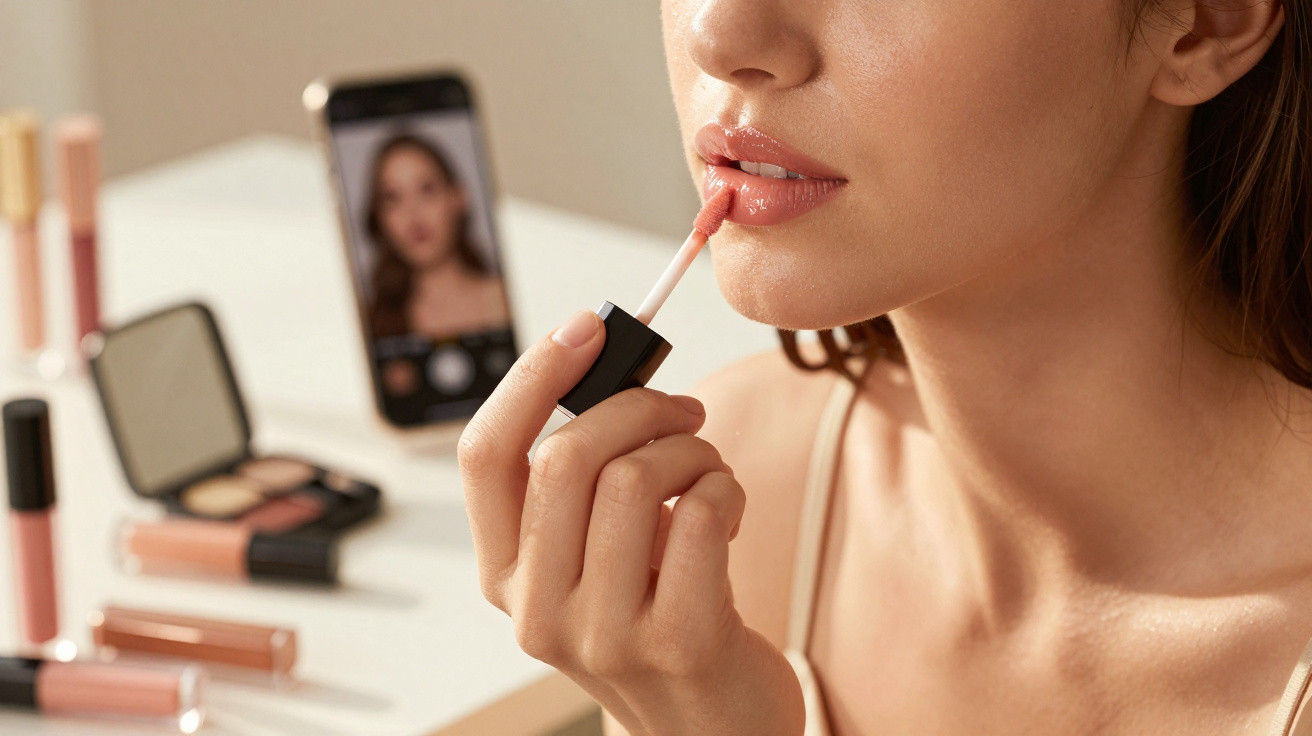
Soft, glossy and lightly opaque: a lip look is currently taking over catwalks, TikTok and dressing tables – and it is surprisingly easy to wear every day.
Make-up artists call it “Milky Lips”, while the look is going viral on social media: a semi-sheer, milky lip gloss paired with a slightly deeper contour shade creates lips that look full and cared for in 2026, without an obvious “artificial effect”. This blend of glamour and everyday wearability is exactly what makes the trend so compelling.
What makes milky lip gloss different
Milky lip gloss sits somewhere between a traditional gloss and a creamy lipstick. It is not entirely transparent, yet it does not offer the full coverage of lipstick either – its finish falls neatly in the middle.
“The gloss settles over the lips like a delicate milky veil and reflects light softly. The result is a fresh, polished ‘Your Lips, but better’ effect.”
This trend is defined by:
- a subtle tint in pink, beige or peach
- a glossy finish that does not look sticky
- a soft-focus effect that makes fine dryness lines less noticeable
- skincare vibes from nourishing ingredients such as oils or butters
On the Spring/Summer 2026 runways, milky glosses are mainly being worn with very natural-looking skin, understated blusher and barely-there eye make-up. The message is: “I look after myself – but I am not trying too hard.”
Why the Milky Lips trend flatters so many people
Milky gloss is remarkably adaptable, working across different lip shapes, age groups and skin tones.
Thin lips
Those with naturally slimmer lips can benefit especially from this finish. Its shine creates the impression of extra volume, while the lightly milky texture makes the mouth appear fuller without giving an overfilled look.
Full lips
On lips that are already full, the look softens any harshness. Rather than making them appear even stronger with a highly pigmented matte lipstick, gloss gives them a smooth, refined polish. The result feels current and less “overdone”.
Choosing a shade for your skin tone
The undertone is key:
- Fair to medium skin: cool pinks, gently pastel “Baby Pink” shades and milky mauves
- Medium skin: neutral “Nude” shades, rosewood and milky beige
- Deeper skin: warm latte, caramel or peach shades, preferably with a slightly stronger tint
The milky base ensures that the gloss does not sit unnaturally on the lips, but instead blends harmoniously with the complexion.
The real highlight: the lip combo with lip liner
The trend becomes particularly interesting when milky gloss is teamed with a marginally darker contour shade. This so-called lip combo nods to the early 2000s, but in a much softer, more wearable way.
“A lip liner in a slightly deeper nude shade + milky gloss at the centre of the lips = an instant volume effect without filler.”
How to create the look step by step
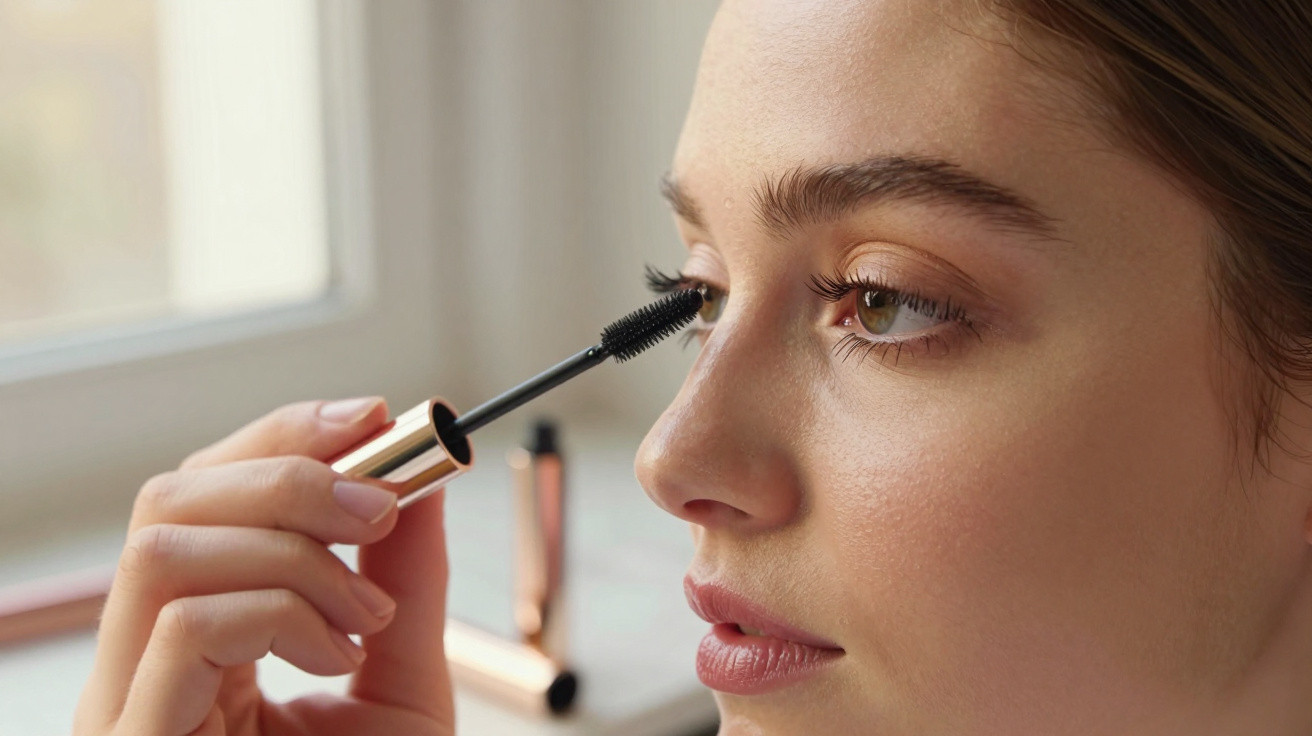
- Prepare the lips: Remove any traces of old product, gently exfoliate if needed, then apply a thin layer of lip care and allow it to absorb briefly.
- Define the outline: Pick a lip liner that is one or two shades darker than your natural lip colour, such as cappuccino, hazelnut, warm nude, rosewood or cocoa.
- Blend softly: Do not leave the liner solely around the edges; use a brush or fingertip to pull it gently inwards. Avoid a harsh outline.
- Apply the gloss: Place the milky gloss only in the middle of the lips, ideally using one small drop per lip.
- Tap it in: Lightly press with a fingertip so the gloss and liner merge seamlessly.
The finished result recalls 2000s lip looks, but appears far more refined. Lips look larger, rounder and softly blurred, with no visible line between the shades.
Colours that are especially popular in 2026
Similar colour families keep appearing across social feeds. The most sought-after options include:
- Cappuccino nude: perfect for medium to deeper skin tones
- Hazelnut and cocoa: ideal for more defined contours without looking too harsh
- Rosewood and dusty pink: flattering on fair and neutral complexions
- Milky rose: a classic for anyone who wants a girlish look without it becoming overly sweet
- Beige with a peach tint: makes the complexion look awake and summery
The basic rule is simple: choose lip liner that relates to your natural lip or skin tone, then add the light, milky freshness with gloss.
How to find your perfect milky gloss
When shopping, it pays to check both the texture and the ingredients. Not every gloss with a slight pink tone fits the trend.
| Feature | What to look for |
|---|---|
| Texture | Creamy rather than overly runny, with no strong sticky feeling |
| Coverage | Semi-sheer; the lip outline remains visible but looks smoothed |
| Finish | Glossy and more glass-like than glittery, with only a fine shimmer |
| Care | Oils, butters, hyaluronic acid or ceramides for smooth lips |
| Colour | A milky undertone rather than a clear jelly finish |
If your lips become dry quickly, it is better to opt for formulas focused on care. In everyday life, the gloss can then almost replace lip balm – just with considerably more glamour.
Wear it from the office to a date
Everyday wear
For the office, school or university, a light application is enough: use a touch of lip liner in a very natural shade, blur it gently, then add a hint of gloss. It looks polished without appearing heavily made up.
Evenings or dates
For evening, the outline can be more pronounced. Many influencers work just beyond the natural lip line to create the illusion of more volume. Careful blending is particularly important here, so the line does not look harsh in a 1990s way.
No-make-up make-up
Anyone who otherwise wears very little make-up can use milky gloss by itself, without liner. A wash of colour, plenty of shine and a nourishing texture are enough to make the face appear more awake.
Common mistakes when recreating the look
The trend is straightforward, but the same mistakes still crop up repeatedly:
- Lip liner that is too harsh: A dark brown border with pale gloss can quickly look dated. Choose a shade only slightly darker than your own lip colour and blend it thoroughly.
- Using too much product: Thick layers can settle into lip lines. Apply sparingly and build up only if necessary.
- The wrong undertone: A very cool pink on warm-toned skin, or the reverse, can look dull. If unsure, test it on the inside of your wrist.
- Irritating ingredients: “Plumping” glosses that cause intense stinging can irritate sensitive lips. Anyone who reacts to them should stick with gentle, nourishing formulas.
Why milky gloss is more than a passing hype
The trend fits perfectly with the current beauty mood. The generation that grew up with heavy contouring and ultra-matte lips now wants more lightness and real glow. Lips are meant to look soft, nourished and inviting – rather than painted on.
It is also highly customisable. The same product pairing can create an office-appropriate soft glow or a dramatic “Glossy Lip” moment for the evening, depending on how intensely it is applied. Anyone who enjoys experimenting with colour can also tap milky gloss over lipstick to soften a product that is too matte.
Ultimately, milky lip gloss works like a filter for real life: it visually smooths, lends a fresh radiance and can be reapplied within seconds – one reason it is likely to shape lip trends in 2026 for far longer than many short-lived hypes before it.






Comments
No comments yet. Be the first to comment!
Leave a Comment