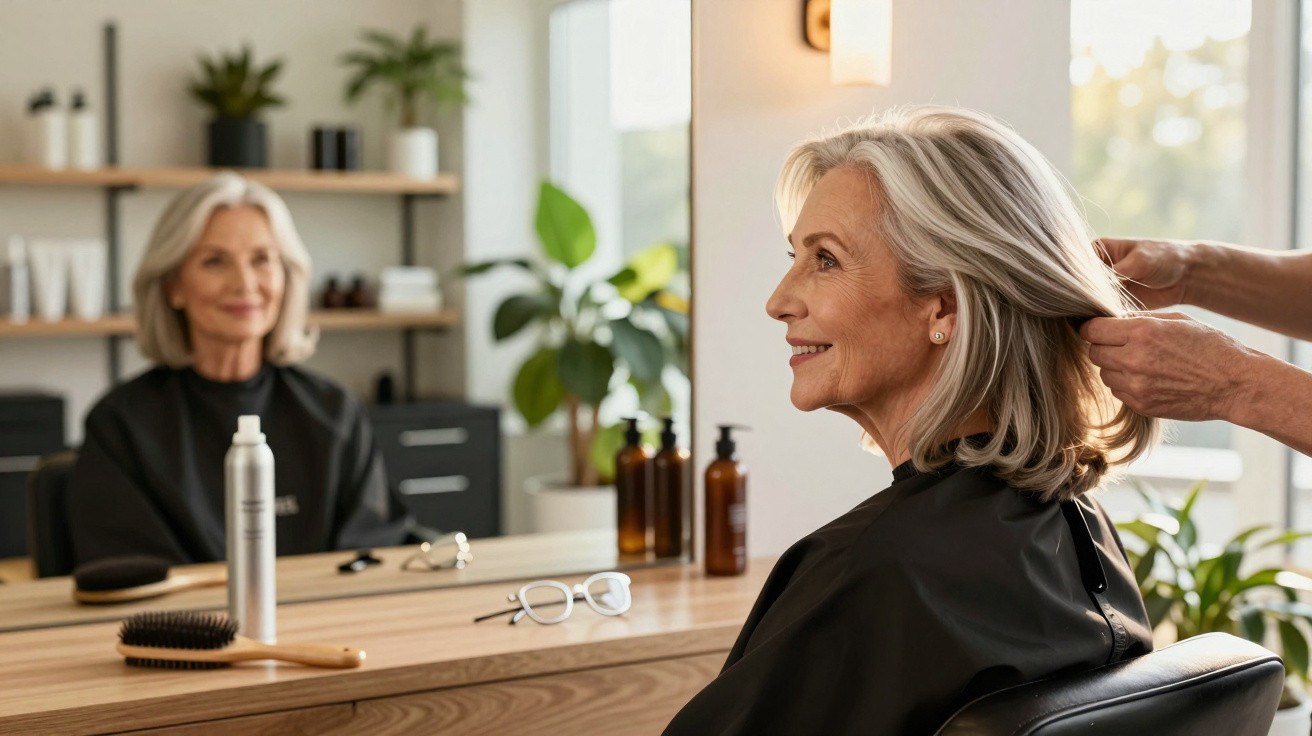
The salon was already busy when Anne arrived, holding a photograph of herself at 40. The smile was the same, as were her eyes, but her hair was entirely different. In the photo, it was thick, manageable and shiny. Now, it seemed to vanish like smoke through her fingers. Her stylist welcomed her with a familiar, understanding expression - one often reserved for women quietly stepping into their sixties and wondering whether their hair has given up without warning.
They talked quietly beneath the whirr of the hairdryers. “I don’t want to hide my age,” Anne said. “I just don’t want to look…tired.”
The stylist nodded, then made a point she would repeat three times during the appointment: “For fine hair in your sixties, there’s one cut that does all the heavy lifting.”
She did not mean cutting it dramatically shorter.
She meant choosing a more considered style.
The fine-hair bob hairdressers repeatedly recommend
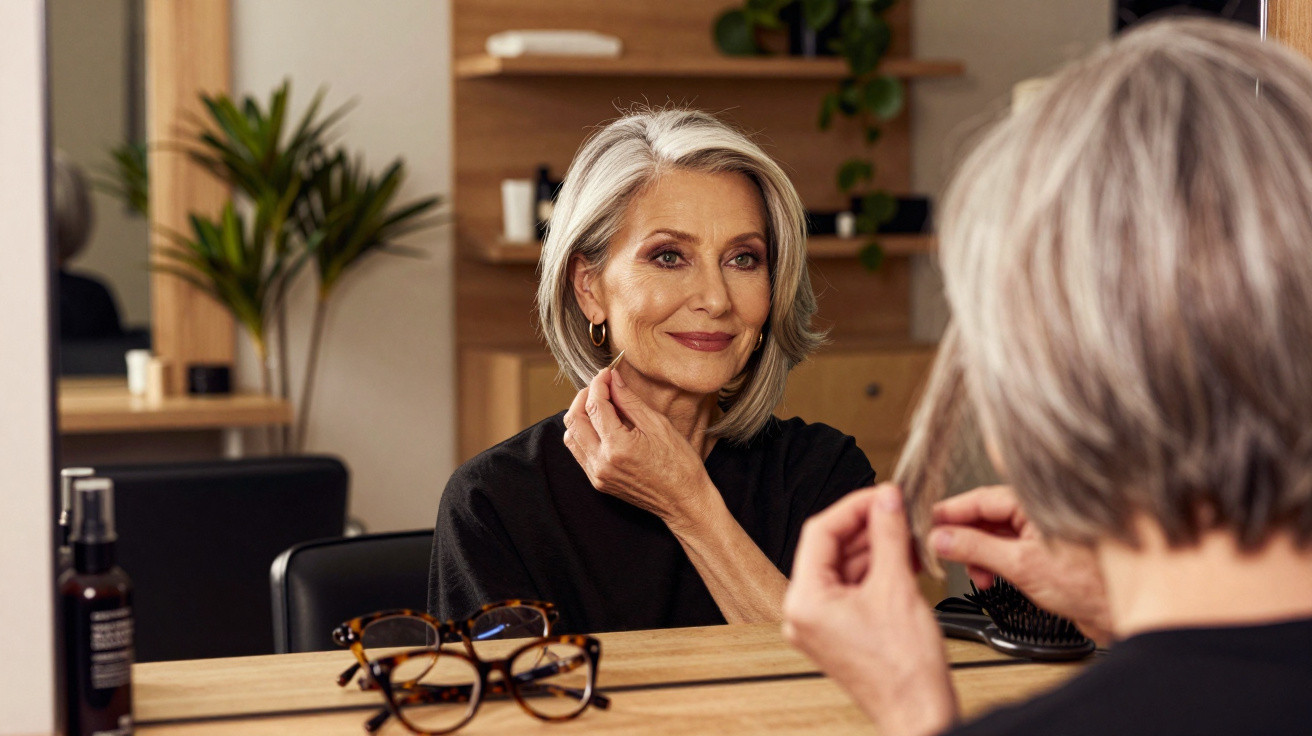
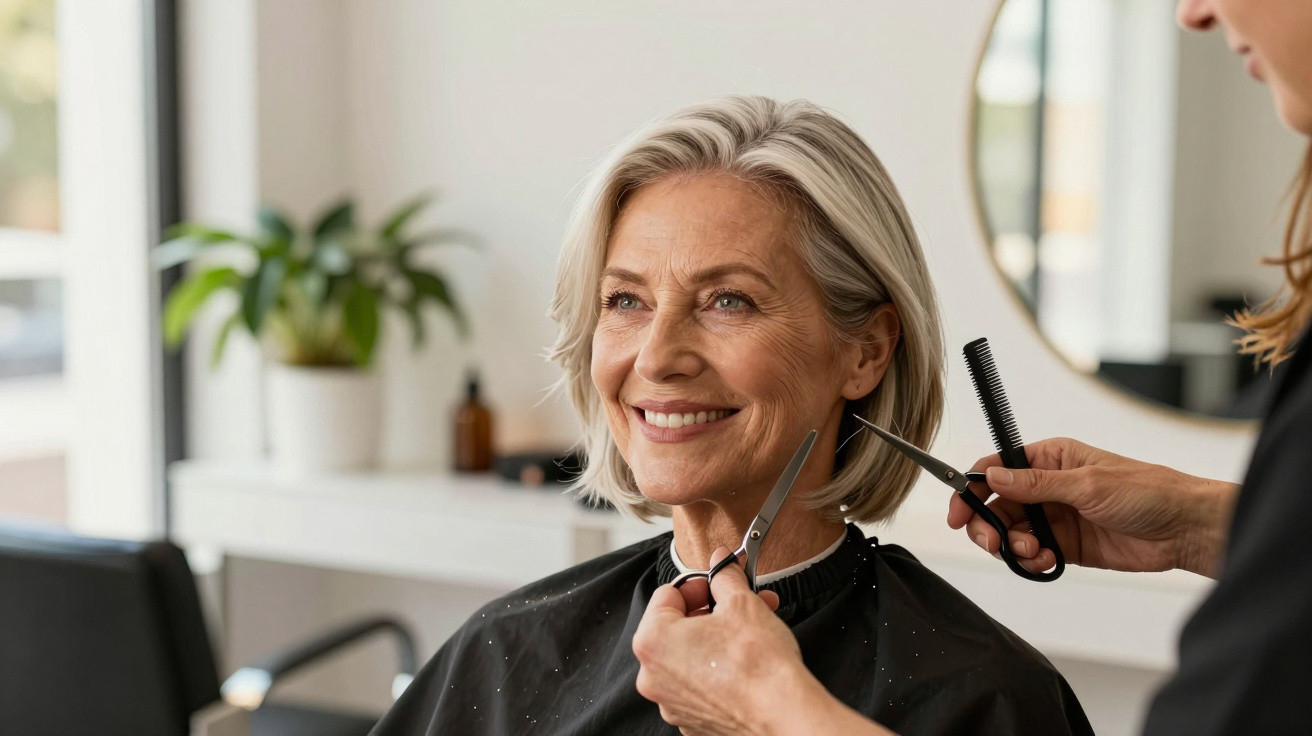
Ask a room of seasoned hairdressers which style they advise for women in their 60s with fine hair, and one recommendation comes up time after time: a softly layered bob falling somewhere from the chin to the collarbone, often finished with a delicate fringe. It is not the precise, angular bob made for a catwalk. Instead, it is a soft, relaxed bob with air and movement that does not overpower your face.
It occupies the ideal space between being short enough to create lift and long enough to retain a feminine feel. That balance is exactly why stylists return to it so often. Fine hair gets more shape, the face can appear fresher, and styling no longer becomes a daily battle.
Think less “helmet hair”, more “lighter, looser, but somehow more present”.
A London stylist I spoke with told me about a long-standing client, Maria, 63, who had spent years struggling against her hair. She held on to long layers reaching down her back because she associated that length with youth. Yet in photographs, her hair appeared finer, flatter and smaller than her presence.
Once she eventually agreed to a collarbone-length bob with gentle internal layers and a wispy fringe, the effect changed. Her hair had not suddenly become thicker. Rather, the way it sat around her face was transformed. Her cheekbones became visible, her neck appeared longer, and the hair framed her smile rather than slipping past it.
Her granddaughter took a photo that afternoon, and Maria simply said, “I look like I slept.”
Fine hair often falls flat beneath the weight of its own length. Once it grows beyond the shoulders, each additional centimetre can pull it straighter and flatter. A bob ending at the chin or collarbone removes some of that weight immediately, allowing the roots to rise and the ends to turn inwards. The hair is not denser; it is simply being used more effectively.
Purposefully placed soft layers also make a difference. They take away excess bulk where it is unhelpful while suggesting volume where it matters most: at the crown, around the temples and close to the jawline. This is why hairdressers repeatedly recommend the cut.
It works with the strengths of fine hair rather than trying to force it to do what it cannot.
How to make a 60s fine-hair bob work for you
Its success is not purely about the length. It depends on the details your hairdresser incorporates. With fine hair in your sixties, they will often begin with a blunt lower edge to create the appearance of density, before adding subtle, hidden layers internally so the result does not resemble one heavy block.
For many women, the most flattering point lies somewhere between the jaw and collarbone. Soft shaping around the face or a side-swept fringe can ease the appearance of lines without concealing them. The aim is not to create a different face, but to soften the areas that can make you look tired.
The styling routine can be straightforward: use a round brush or a large Velcro roller at the crown, apply a light volumising spray, then give it a quick blast with the hairdryer. Ten minutes that can make fine hair look like it got its confidence back overnight.
At this point in life, many women fall into one of two traps. They either keep long, limp lengths that pull everything downwards, or they make an abrupt move to a very short, harsh style. Both choices can make you look older, albeit for different reasons.
An extremely short pixie with excessive texture can reveal every uneven point along the hairline and each thinner area. Conversely, keeping mid-back-length hair when the ends are visibly thinning can look more “tired” than timeless.
A softly layered bob offers the middle ground: it is still hair that can be tucked behind the ears, flicked out or tousled. It delivers movement without requiring a drawer full of heated tools or decades of styling expertise. Honestly, no one manages that every day.
The hairdressers I interviewed all returned to one straightforward idea: a good cut does not work against either your hair texture or your age; it works alongside them.
“Once women in their sixties stop chasing what their hair used to be,” says Paris-based stylist Léa Martin, “we can actually give them something better - hair that looks alive right now, with the texture they really have.”
- Length sweet spot: Between chin and collarbone to balance lift and softness.
- Cut structure: Blunt base for density, soft interior layers for movement.
- Face framing: A light fringe or gentle shaping softens lines without concealing your features.
- Styling routine: A quick blow-dry with a round brush or rollers, plus lightweight volumising products.
- Salon rhythm: Regular trims every 6–8 weeks stop the shape from dropping and becoming flat.
Let your haircut show the woman you are today
When a woman in her sixties leaves the salon with a bob that finally suits her fine hair, people seldom focus on the haircut itself. Instead, they say, “You look rested.” “You look lighter.” “You look…good, what did you do?”
That is this style’s understated strength. It does not demand attention. It subtly makes room again for your features, your expression and the way your eyes move when you laugh. Rather than passing your face like a curtain, the hair sits close to it, offering support and framing the life you are living now.
Most of us know that moment when the mirror seems to offer a stranger’s judgement rather than our own reflection. The right haircut cannot solve everything, but it can alter how you face that image. Perhaps that is why so many hairdressers guide women in their sixties with fine hair towards this same deceptively uncomplicated bob: not because it is fashionable, but because it allows more of who you are to come through.
| Key point | Detail | Value for the reader |
|---|---|---|
| Ideal cut | Softly layered chin-to-collarbone bob with a blunt base | Boosts volume and density without heavy styling |
| Face-framing | Light fringe or subtle shaping around the face | Softens lines and brightens features without hiding them |
| Maintenance | Quick daily styling, trims every 6–8 weeks | Keeps hair looking fresh and lifted with a realistic routine |
FAQ
Question 1: What exact length should I ask my hairdresser for if I have fine hair and I’m in my 60s?
Ask for a bob that falls between the chin and collarbone, based on your face shape and how much you want to tie or clip your hair back. Chin length provides greater lift, while collarbone length is softer and more versatile.Question 2: Are layers risky for fine hair?
Too many choppy layers may make fine hair appear thinner. Ask for soft internal layers that are almost invisible, created by someone experienced in cutting fine, mature hair.Question 3: Should I add a fringe if I have forehead lines?
A soft, wispy or side-swept fringe can gently soften lines while drawing attention to the eyes. Heavy, blunt fringes can look severe and may demand more styling than you would prefer.Question 4: Can I still colour my hair with this cut?
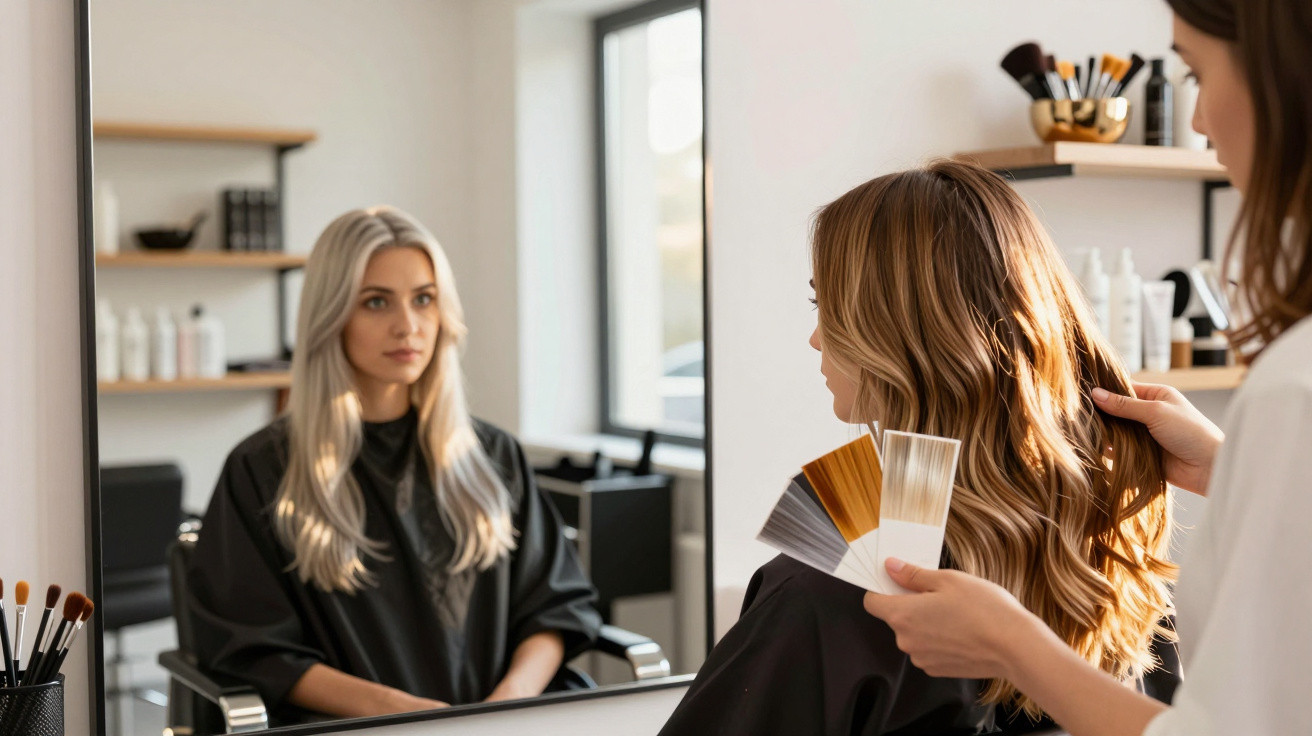
Yes. Subtle multi-tonal colour or soft highlights around the face can emphasise the bob’s movement and make fine hair seem fuller, provided the colourist protects the condition of the hair.Question 5: What if I don’t like blow-drying my hair?
Tell your stylist that you favour air-drying. They can tailor the cut and demonstrate an easy routine using a light mousse or spray, so your bob falls into place with very little heat.








Comments
No comments yet. Be the first to comment!
Leave a Comment