Knowing your skin saves money, frustration and grey-looking edges.
Liquid, powder, mousse, full coverage or a glowy finish: choosing a foundation can quickly become confusing. There are countless promises and plenty of packaging, yet the skin can still end up looking mask-like, patchy or noticeably tired. Price matters less than texture, coverage and finish – along with one key question: does the product genuinely suit your skin type?
Why choosing the right foundation matters more today than before
Foundation is no longer simply a make-up product. Many formulas blend colour cosmetics with skincare, offering hydration, anti-ageing ingredients, UV protection or soothing components for sensitive skin. This may sound like an all-in-one solution, but it can just as easily have the opposite effect.
“The wrong foundation intensifies precisely the concerns it is supposed to conceal: shine, dryness, fine lines or redness.”
For instance, choosing a heavily covering mattifying texture when your skin is dry and sensitive can soon create a “chalk-mask effect”. Conversely, oily skin paired with a rich glow formula may look as though it has just been moisturised after two hours.
The essential rule: choose foundation texture for your skin type
Before considering brands or trends, only one thing counts: your own skin type. Once that is clear, it makes sense to look at finish and coverage.
Normal to combination skin: the easiest group to cater for
Anyone with normal or mildly combination skin can wear almost any format. The deciding factor is more likely to be the look you want:
- Liquid foundation: looks natural, can be layered and is ideal for everyday wear.
- Pressed powder: convenient for touch-ups and provides slightly more coverage.
- Tinted moisturiser or BB cream: lightweight and evening, for anyone wanting only a little “soft-focus” effect.
A matt product may work well across the T-zone – forehead, nose and chin – while the cheeks can benefit from a subtly radiant finish.
Dry skin: avoid dry textures
Dry or dehydrated skin needs comfort, and neither powder nor an airy mousse will provide it. These formulas can cling to dry patches and make the complexion appear older.
Better options include:
- Liquid foundation containing nourishing oils or hyaluronic acid
- Creamy textures that meld into the skin
- Lightly glowy finishes that add freshness rather than a tight feeling
“Those with dry skin should build coverage selectively with concealer instead of applying thick make-up across the whole face.”
This keeps the complexion looking alive and allows skin texture to remain visible – in a good way.
Oily skin: matt, but not heavily plastered on
With oily or highly shiny skin, the central aim is to control shine without blocking the pores. Pure oil-heavy products and rich glow textures are not suitable here.
Better choices are:
- Oil-free foundations, often labelled “oil free” or “non-comedogenic”
- Mineral or pressed powders that absorb sebum
- Mattifying mousses, provided the skin does not also have dry areas
Ideally, apply translucent powder only to the T-zone instead of mattifying the whole face. This helps the cheeks and temples retain a more lively appearance.
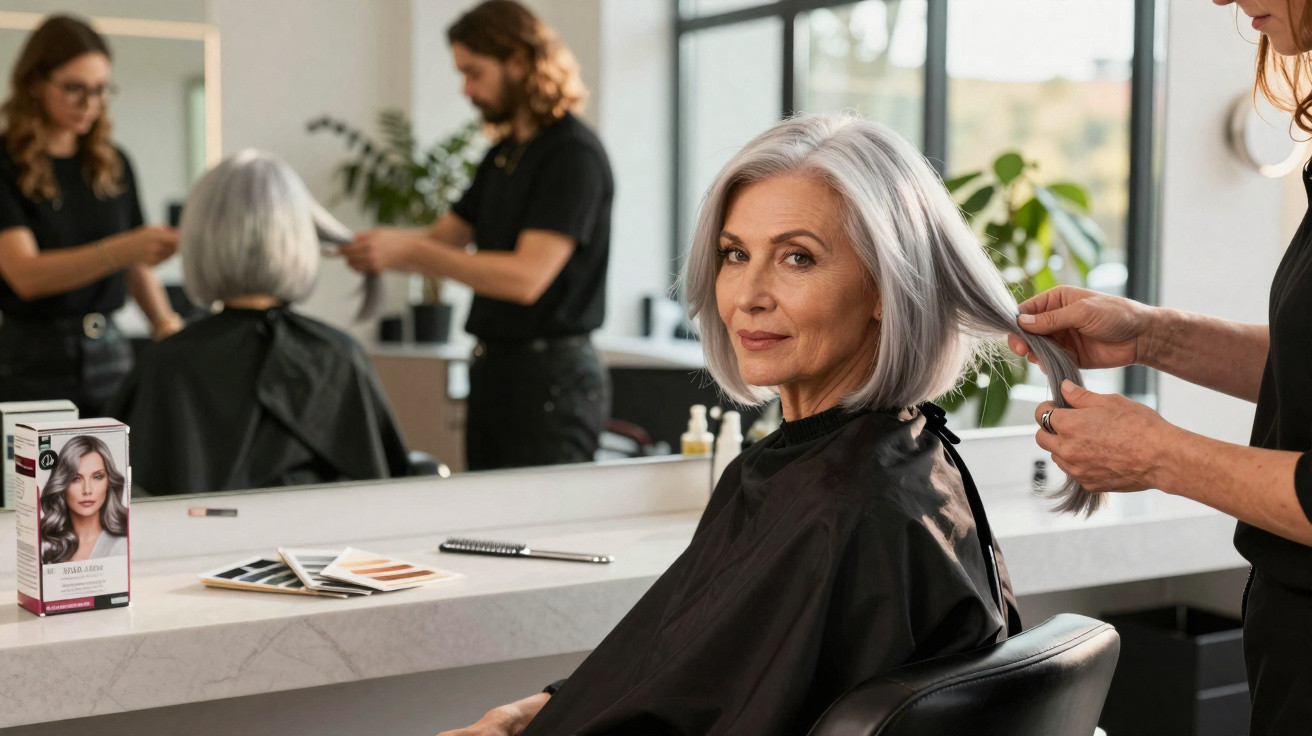
Mature skin: texture can add years to the face
Skin changes with age: it loses moisture, becomes thinner, and lines and wrinkles become more pronounced. This is exactly where foundations vary dramatically in performance.
“Heavy, powdery or mousse-like textures settle into fine lines and make the face appear harsher and more severe.”
For mature skin, make-up artists particularly recommend:
- Lightweight liquid foundations with medium coverage
- Skincare ingredients with smoothing properties, such as hyaluronic acid, peptides or light-reflecting pigments
- A naturally radiant finish rather than flat, lifeless mattness
Less is more here: a thin, well-blended layer looks more youthful than any dense, covering “mask”.
The foundation type that genuinely makes skin look better
Across all skin types, one clear pattern emerges: modern liquid foundations with a skin-like texture and flexible coverage tend to perform best in practice. Rather than sitting visibly on top, they blend into the skin.
These “beautiful skin” foundations typically feature:
- light to medium coverage that can be built up where needed
- caring ingredients, such as glycerin, hyaluronic acid and ceramides
- a natural finish – neither extremely matt nor extremely glowy
- no strong fragrance, making them more suitable for sensitive skin too
“The foundation that truly enhances your appearance imitates real skin – with small imperfections, but an overall complexion that looks visibly fresher.”
Instead of covering everything completely, the complexion appears “filtered”, not replaced. Redness, blemishes and shadows are softened, while individual texture remains recognisable.
The foundation type many people should avoid
At the other end of the spectrum is a type of foundation that appears flawless in theory but is rarely flattering in reality: very dense, strongly mattifying or heavily powdery high-coverage formulas.
They are particularly problematic for these skin types:
- Mature skin: powder and mousse settle into lines and accentuate every wrinkle.
- Dry skin: dry patches are highlighted rather than concealed.
- Stressed or sensitive skin: redness can paradoxically look more pronounced because the skin underneath remains irritated.
These textures are, at most, useful in targeted areas – for a photoshoot, on stage or over particularly uneven zones – rather than as an everyday solution for the entire face.
How to apply foundation: technique matters more than price
Even the best foundation can look poor when it is applied incorrectly. A few basic rules make a significant difference.
Less product, more blending
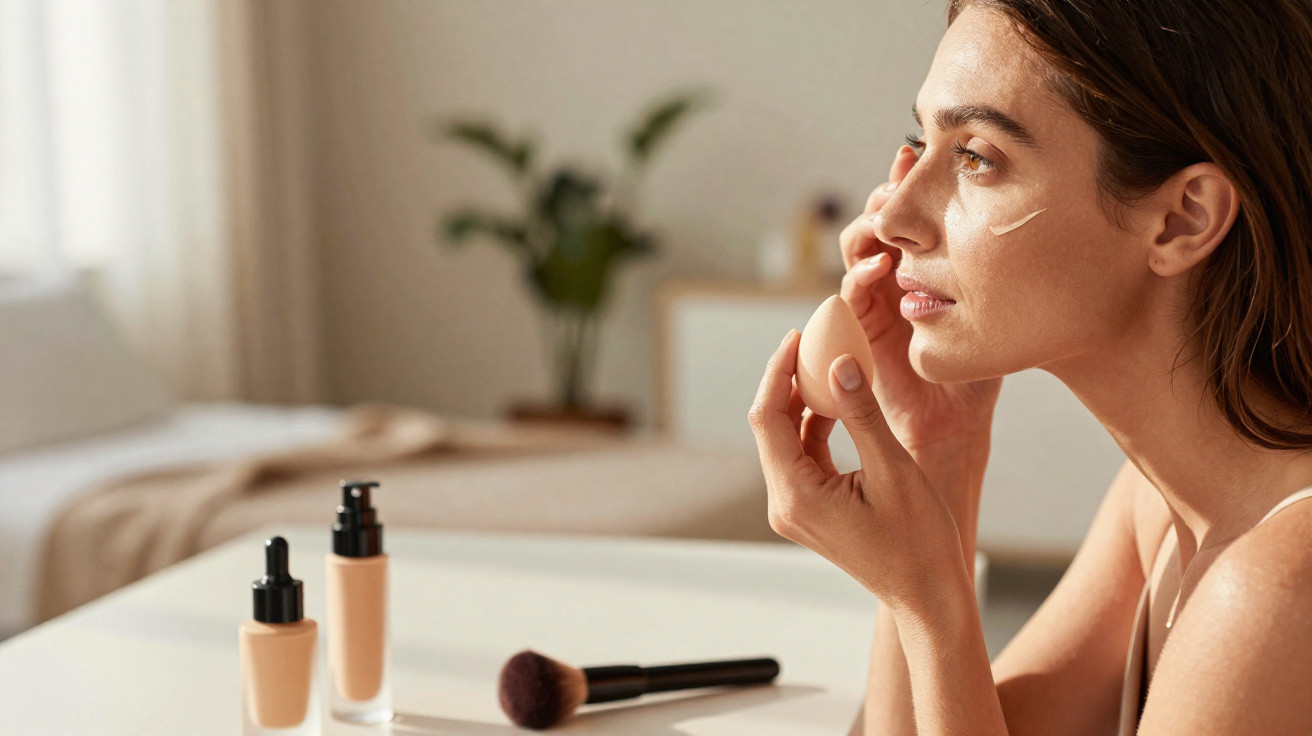
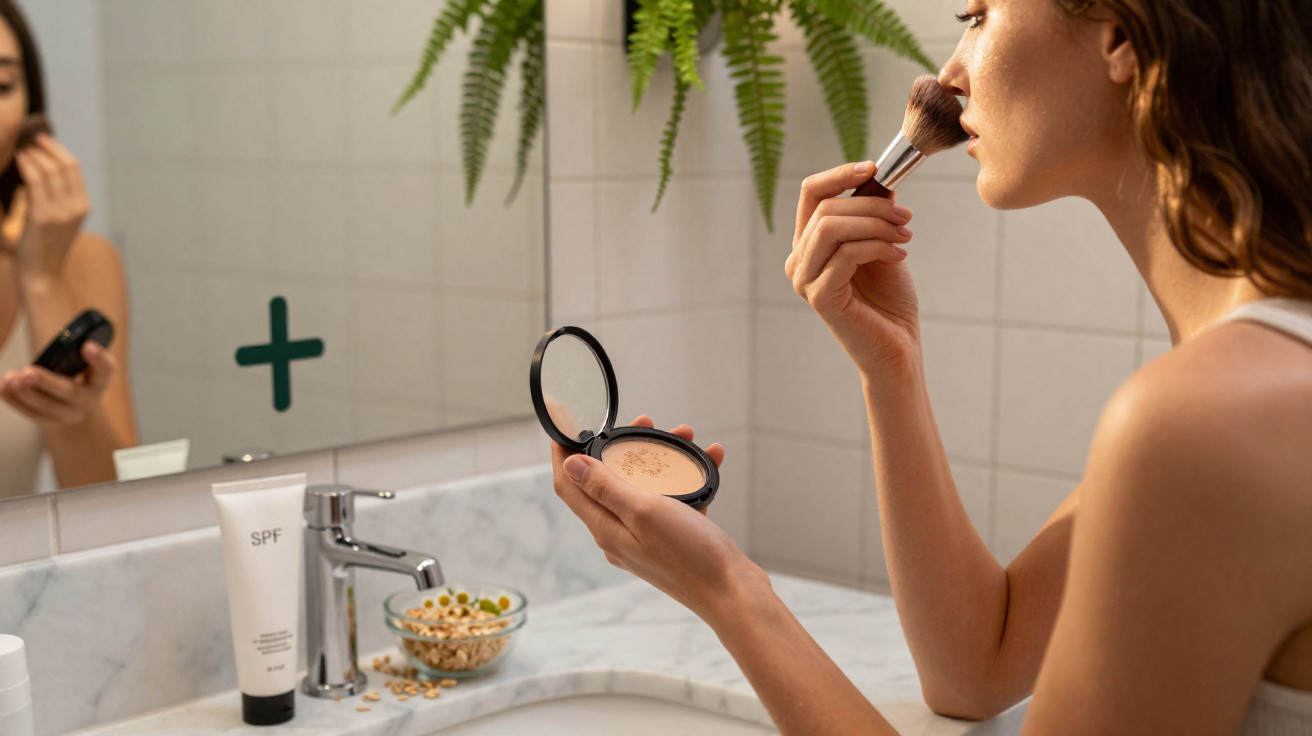
A small amount is enough for a “second-skin” result. Always begin in the centre of the face: the nose, cheeks and a little on the forehead. Then blend it outwards in a thin layer, towards the hairline and chin.
Three common tools create different effects:
- Fingers: warm the product and create a natural finish.
- Brush: precise and ideal for greater coverage – blend thoroughly.
- Damp sponge: absorbs excess foundation and gives everything a soft appearance.
“The professional trick: pat it in with your fingers first, then use a damp sponge to ‘tap away’ the edges.”
Set without caking it on
Whether powder is needed depends on both skin type and the desired result. Combination and oily skin benefit from lightly setting the T-zone. Dry or mature skin often needs no powder at all, or only the smallest amount.
The important point is never to apply a thick layer of powder over large areas. A translucent powder, applied precisely with a small brush, prevents a “flour effect” and preserves the foundation’s natural vitality.
How ingredients influence the complexion over time
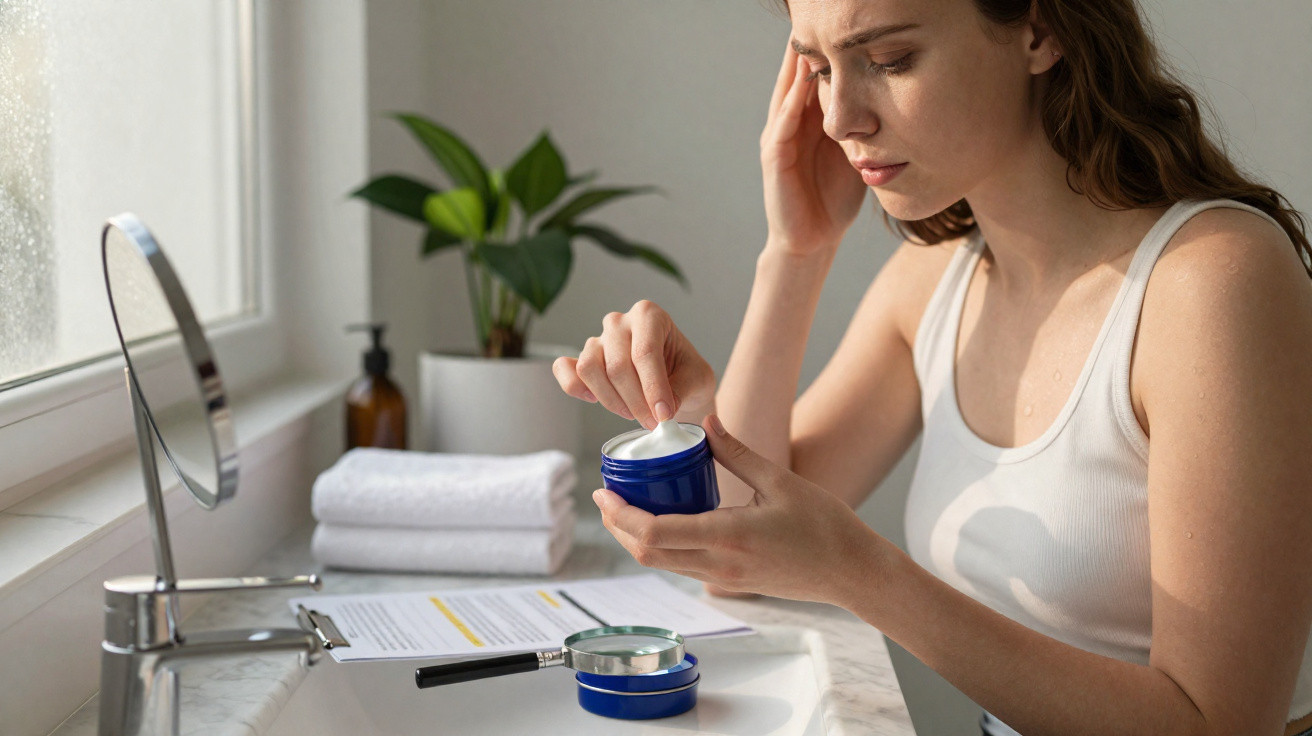
Many foundations now include skincare ingredients. Although appealing, this does not replace a proper skincare routine. Even so, the foundation you choose every day can influence how your complexion looks.
Useful ingredients include:
- Hyaluronic acid: binds moisture and visually smooths fine lines.
- Niacinamide: can reduce redness and refine the appearance of the skin.
- Antioxidants, such as vitamins C and E: protect against environmental stress.
- Light-reflecting mineral pigments: make skin look fresher without adding shine.
Anyone prone to acne or blemishes should look for formulations free from comedogenic fats. Those with very sensitive skin will benefit from fragrance-free options.
Practical examples for everyday wear
A few typical scenarios illustrate why making the right choice matters:
- Working day in the office: a lightweight liquid foundation with medium coverage, set through the T-zone – long-lasting without looking mask-like.
- Evening event: use the same foundation in two thin layers, adding extra coverage in targeted areas with concealer. This keeps the face looking alive in photographs.
- Very hot days: tinted moisturiser or BB cream with a little powder only on the nose – less product means less risk of patchiness.
If you own several products, they can be mixed together: for example, combine a matt formula with a radiant one to achieve the ideal balance.
Keep the risks and benefits in mind
Over several weeks or months, foundations that are too heavy can place more strain on the pores, particularly if make-up removal is neglected. The result can be clogged pores, under-the-skin bumps and persistent redness. Lightweight, well-formulated textures allow the skin more “breathing room” and also look better after many hours.
The greatest benefit of the right foundation is not seen in the bathroom mirror, but in daily life: your face still feels familiar – simply more rested, fresher and more even. That is what makes a foundation that genuinely benefits the skin so valuable.







Comments
No comments yet. Be the first to comment!
Leave a Comment