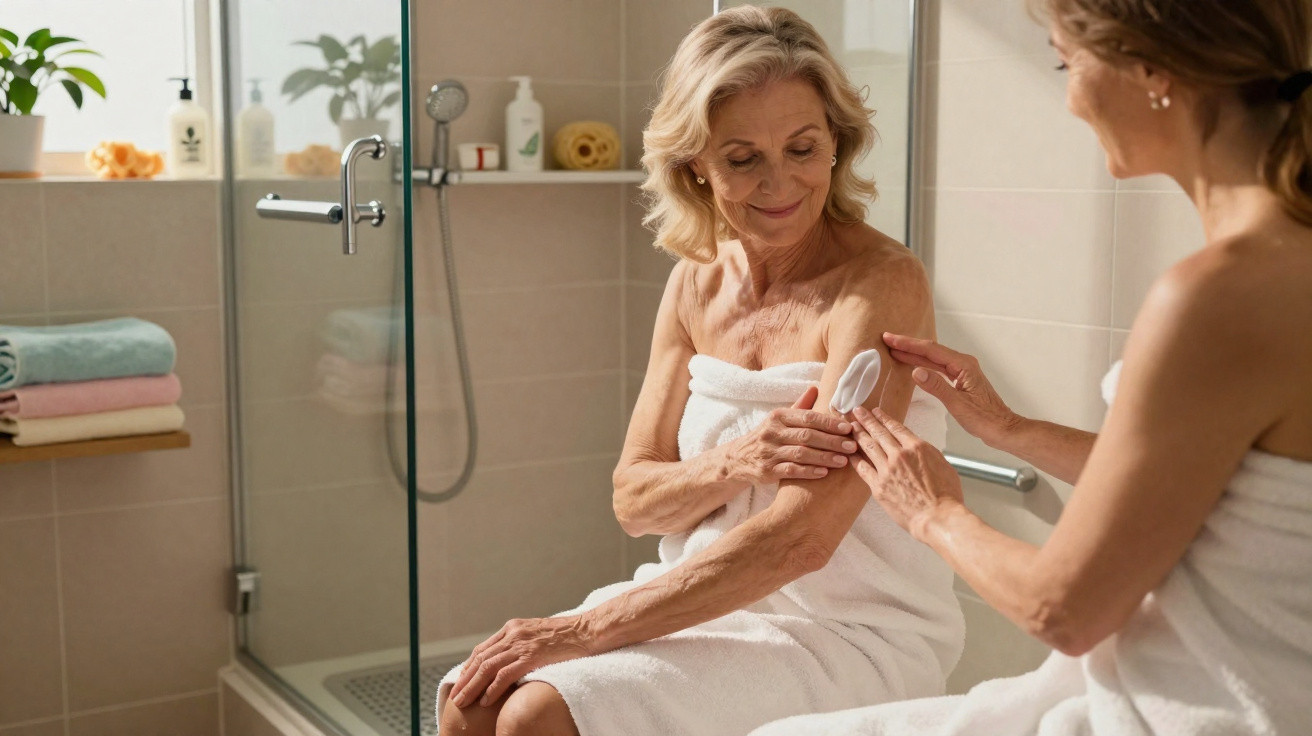
For many older people, the idea of “one shower a day” can clash with drier skin, vulnerable joints and changing routines. Dermatologists increasingly advise that washing less frequently may support better health, particularly after 65, although the guidance is more detailed than social-media slogans suggest.
Why daily showers stop working as we age
The skin of someone aged 75 functions very differently from that of a 30-year-old. Its appearance, feel and response to soap and water all change. Several biological shifts occur together:
- reduced production of sebum, the natural oil that lubricates and protects the skin;
- a thinner epidermis, making it more prone to tearing and irritation;
- reduced elasticity, which contributes to wrinkles and tiny cracks;
- slower cell turnover, meaning skin repairs itself less effectively.
Together, these changes make older skin more vulnerable to itching, redness and infection. The hydrolipidic film - the fine layer of water and lipids covering the skin - also becomes weaker with age. Prolonged hot showers and powerful cleansers remove even more of this remaining protection.
The more often older adults scrub with hot water and strong soap, the more they risk damaging their natural skin barrier and triggering chronic dryness.
When this barrier is compromised, moisture is lost, allergens can penetrate more readily, and even gentle soaps may cause stinging. For some older people, a single winter of daily showering can turn previously comfortable skin into an ongoing source of irritation.
How many showers a week support healthy ageing?
Across much of the Western world, showering every day has become a cultural expectation, almost a measure of personal standards. However, from retirement age onwards, geriatric dermatologists commonly advise a different approach.
| Age group | Suggested shower frequency | Soap use on the body |
|---|---|---|
| 65–70 and older | About 2 full showers per week | Soap every third day, not daily |
A growing number of hospital specialists give similar advice: after 65 or 70, a brief daily rinse using lukewarm water may be appropriate, but washing the whole body with soap every day is unnecessary for most people. Using soap every second or third day is generally kinder to the skin.
This is not an argument for poor hygiene. Rather, it means cleaning the areas where bacteria and odour accumulate, instead of soaping the whole body every morning as though the skin were still that of a teenager.
The “key zones” rule
Even on days without a shower, certain areas should receive daily care with water and a mild cleanser:
- armpits;
- groin and genital area;
- feet and between the toes;
- skin folds, including beneath the breasts, abdominal folds and neck folds;
- hands, several times daily.
This approach deals with sweat, odour and germs while reducing soap exposure on larger areas such as the arms, legs and back. On days when a full shower is too exhausting or poses a balance risk, a flannel or no-rinse cleansing lotion can be useful.
Think of hygiene after 65 as “targeted care” rather than automatic full-body washing: clean where it matters most, protect where the skin already struggles.
How to shower when you are over 65
How often a person showers is only part of the picture. For older adults, the way they shower can be even more important than the frequency.
Water temperature and timing
- Choose lukewarm rather than hot water. Heat removes oils, worsens itching and may increase the chance of dizziness.
- Make showers brief. Research from Harvard Medical School indicates that 3 to 4 minutes of actual washing is usually enough.
- If balance is affected, avoid showering late in the evening. Tiredness and wet, slippery floors are a poor combination.
Choosing the right products
Many people still keep using the shower gels they relied on in middle age. After retirement, this routine can often cause problems. A gentler selection of products is preferable:
- choose shower oils, syndet (soap-free) bars or “superfatted” soaps that leave a light protective layer on the skin;
- avoid products containing aggressive surfactants, including strong sulphates and harsh foaming agents;
- steer clear of heavily fragranced products or dyes that can cause contact allergies;
- use only a little product, concentrating mainly on key zones rather than the whole body.
Drying after a shower also has an understated but important effect. Vigorous rubbing with a coarse towel can create tiny tears in thin skin. Patting the skin dry gently, particularly on the arms, shins and chest, helps protect the surface and is more comfortable.
Moisturising as part of hygiene
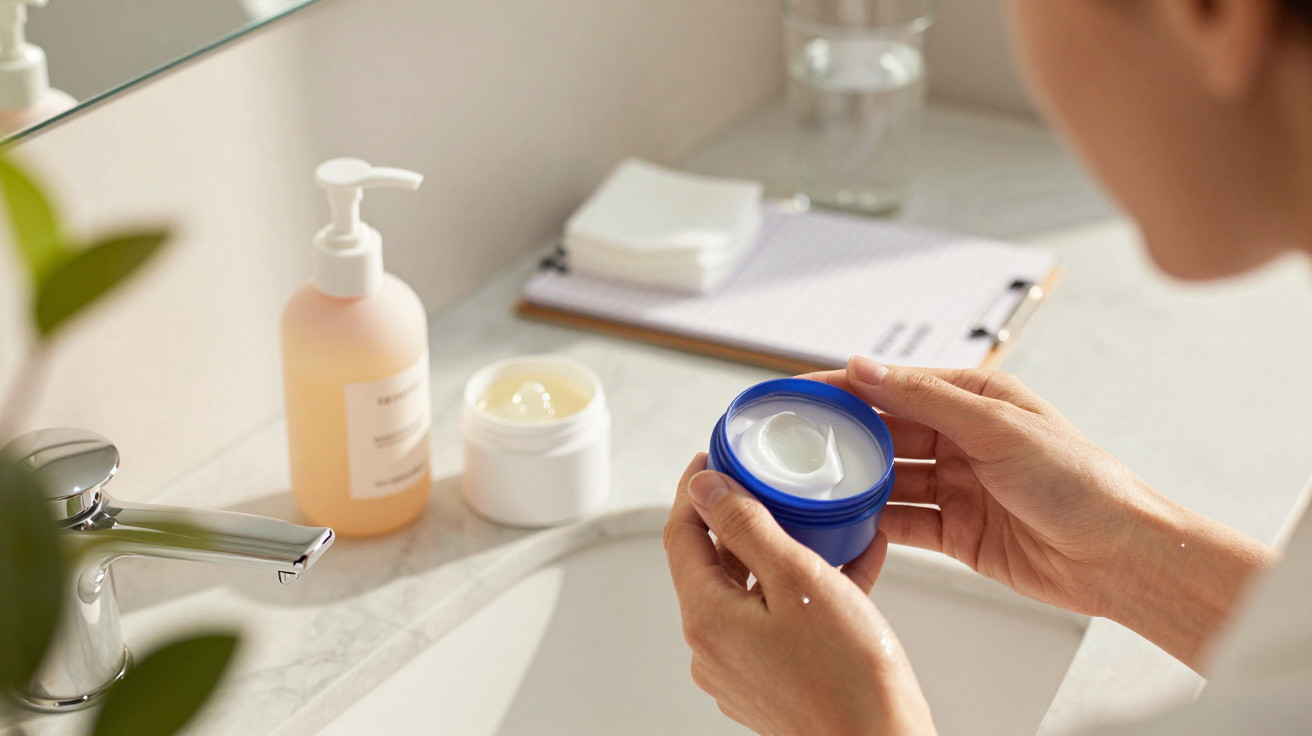
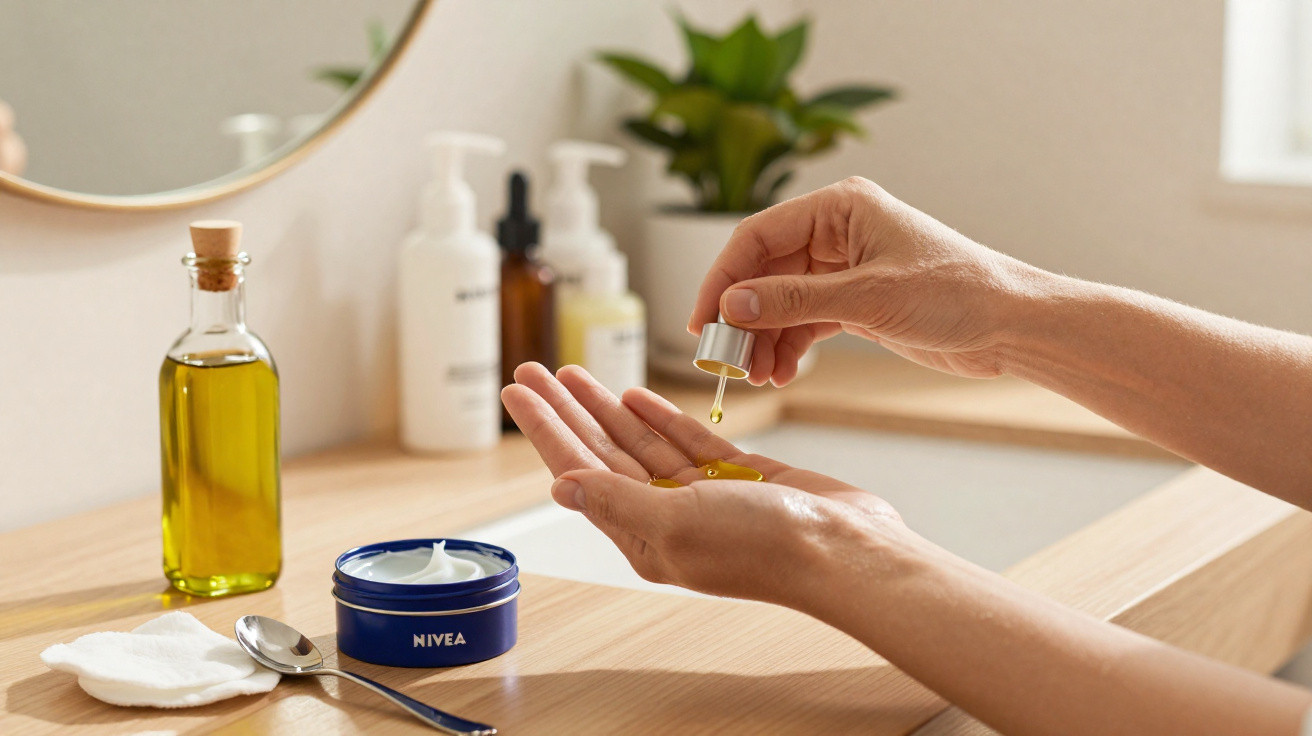
For younger people, moisturiser may seem like a cosmetic extra. For seniors, it is closer to a healthcare measure. Applying an unperfumed cream or lotion within 10 minutes of showering helps retain water in the upper layers of the skin.
Regular moisturising, especially on the legs and arms, reduces itching, limits small cracks in the skin and may lower the risk of infections in older adults.
Many geriatric care teams now view “shower plus moisturiser” as one routine rather than two separate tasks. When carers assist someone with bathing, they are often taught to finish by applying a quick layer of cream to the driest areas.
Culture, dignity and the fear of “not being clean”
People raised to believe that daily showers are part of good manners may find reducing them almost embarrassing. Some older adults fear being judged by relatives or carers if they shower less often. Others connect less frequent showering with being unwell or living in an institution.
Doctors point out that body odour is not directly linked to the number of full showers a person takes. Food, hormonal shifts, medicines, infections and synthetic-fibre clothing can affect smell just as much as, or more than, shower frequency.
Families and carers can make a difference by prioritising comfort and skin wellbeing over rigid timetables. Asking, “How does your skin feel today?” may be more helpful than asking, “Did you shower this morning?” This change in perspective can reduce anxiety and allow older adults greater control.
Safety: when hygiene routines create new risks
From a public-health perspective, showering too often can create concerns beyond dry skin. Falls in bathrooms remain one of the main causes of injury among seniors. Every additional visit to a wet bathroom floor increases the risk of slipping, fainting due to hot water, or experiencing a sudden fall in blood pressure.
- fit grab rails beside the shower and toilet;
- place non-slip mats both inside and outside the shower;
- think about using a shower chair for anyone with balance difficulties or heart problems;
- make sure the water heater cannot reach an unsafe temperature.
Healthcare teams supporting people with dementia also modify hygiene routines. Shorter, less frequent showers alongside gentle wipe-downs often lessen agitation while continuing to protect the skin.
Adapting shower habits to health conditions
The recommendation of “two showers a week plus daily targeted washing” is suitable for many healthy seniors, but it will not suit everyone. Certain health issues require an individual plan.
When more frequent washing makes sense
People experiencing incontinence, substantial sweating or particular skin conditions may need additional cleansing. In these cases, adapting the products is important: pH-balanced, soap-free cleansers and barrier creams can help minimise irritation.
When less is clearly better
For people with severe eczema, advanced diabetes, open ulcers or those having chemotherapy, doctors may advise very restricted washing with particular medical products. Damaged skin can sting even when exposed to water, so the potential discomfort of each shower needs to be considered.
Older adults do best when shower routines are treated as part of their care plan, tailored to medications, mobility, skin history and personal preferences.
Going further: what seniors can do between showers
On days between showers, simple habits can help preserve comfort and dignity. Lightweight, breathable cotton or bamboo clothing can reduce the build-up of sweat. Replacing underwear and socks every day, even when outer garments are worn again, lowers the risk of odour and infection. Ventilating the bedroom and keeping bed linen clean can also help people feel fresh.
Some geriatric nurses recommend a “mini-routine” for non-shower days: clean the face, hands, armpits, private parts and feet; brush teeth; and change underwear. This short routine can feel achievable even for those with limited energy or painful joints, while maintaining high standards of cleanliness without placing too much strain on the skin.
For anyone living with an older relative, making these routines shared, unhurried moments rather than rushed tasks can change the experience entirely. A warm bathroom, sufficient time, soft towels and considerate conversation can greatly influence how older people feel about their bodies, well beyond the issue of how many showers they have each week.







Comments
No comments yet. Be the first to comment!
Leave a Comment