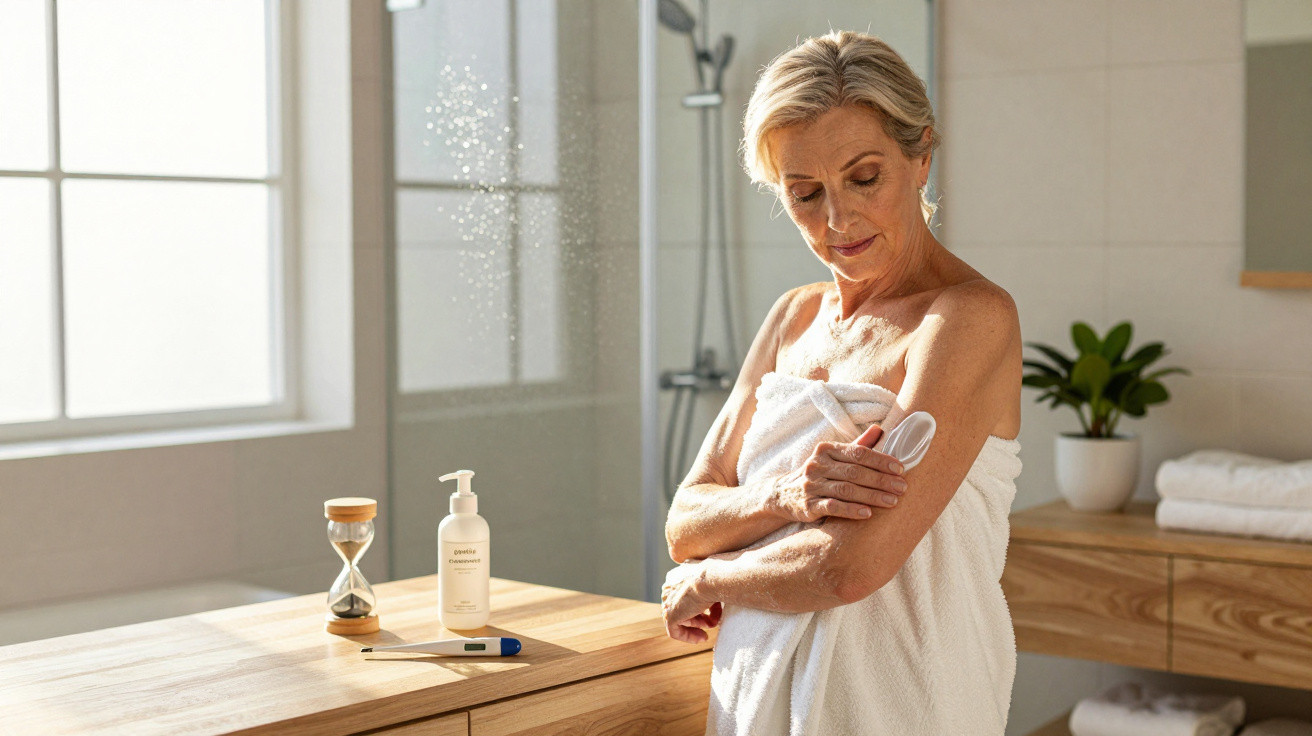
For anyone who has showered every day - or even several times a day - throughout their life, changing that ritual can be difficult. Yet, as we age, skin becomes far more sensitive to water, heat and harsh cleansing products. Dermatologists therefore advise a rethink in the bathroom, not because of laziness, but to protect your health.
Why skin needs different care after 60
Over time, the outermost layer of the skin becomes thinner. It is less elastic and no longer retains moisture as effectively. At the same time, the body produces less sebum. This natural oily layer acts as a protective barrier against cold, irritants and moisture loss.
Showering very frequently repeatedly strips away these oils. As a result, skin becomes dry, dull-looking and quickly feels rough. Many people experience stinging patches, tiny cracks and an ongoing feeling of tightness, especially on the arms and legs.
“Excessive cleanliness after the age of 60 can damage the skin more than a moderate amount of dirt.”
In addition, the skin’s surface is home to a delicate ecosystem of bacteria, fungi and other microorganisms. Known as the microbiome, it forms a type of natural protective shield. Harsh soaps and excessive washing upset this balance, leaving the skin more susceptible to irritation.
Health risks of showering too often
Constant exposure to hot water, highly foaming shower gels or exfoliating products gradually reduces the skin’s ability to protect and regenerate itself. This can have noticeable consequences.
Common symptoms of excessive hygiene
- increasing dryness and flaky patches
- redness and itching, particularly on the shins and forearms
- small cracks and microscopic injuries on the skin’s surface
- more visible fine lines caused by moisture loss
- sensitivity to perfume, woollen clothing or cold weather
Over time, these complaints can encourage inflammation. Germs may enter through even the smallest cracks. This can become a serious concern, particularly for people with diabetes, circulatory problems or a weakened immune system. Many then turn to increasingly rich creams and specialist products, without realising that the cause often starts in the shower.
When products make the problem worse
Highly foaming shower gels, traditional bar soaps and products with strong fragrances are especially effective at removing the skin’s natural oils. Although “deep-cleaning” may sound appealing, it tends to put mature skin under strain.
These areas of the body are often affected first:
- Hands: frequent washing combined with washing up or cleaning products
- Elbows and knees: areas that are already dry and subject to friction
- Shins: they have few sebaceous glands and quickly develop flaky skin
People prone to allergies or eczema often notice the effect particularly strongly. Their skin barrier - the protective outer layer - becomes unbalanced and takes increasingly longer to recover.
How often is it healthy to shower after 60?
Dermatological societies and many dermatologists give a surprisingly clear recommendation: for people with normal to dry mature skin, two to three full showers per week are generally sufficient.
“Between two and three showers a week are considered the ideal compromise between cleanliness and skin protection for most people over 60.”
On the remaining days, targeted washing is entirely adequate. In other words, there is no need to shower the whole body; only areas where sweat and odour genuinely build up need to be cleaned.
Targeted hygiene instead of daily showering
On days without a full shower, a washbasin routine using lukewarm water and a mild cleanser is suitable for just a few areas:
- face
- armpits
- intimate area and skin folds
- feet
This focused approach keeps you feeling fresh and reduces odour without putting the entire skin surface under stress every time. Anyone who sweats heavily, such as after exercise or on very hot days, can of course take an additional shower - preferably a brief one with lukewarm water.
A skin-friendly shower routine after 60
How often you shower is only one aspect. Water temperature, shower duration and aftercare are equally important. Even small changes can make a noticeable difference.
Choose the right water temperature and duration
- Temperature: comfortably warm rather than hot - around 36 to 38 degrees
- Duration: 5 to 10 minutes is ideal instead of lengthy spa-like sessions
- Avoid continuous rinsing: turn off the water while massaging in shampoo or shower gel
Hot water dissolves oils more quickly and dries out the skin. People who used to enjoy very hot showers often notice a clear improvement in later life after switching to lukewarm water.
Selecting suitable cleansing products
Anyone wishing to protect mature skin should look for the following when shopping:
- mild cleansing agents, often labelled “pH skin-neutral” or “sensitive”
- preferably no alcohol or strong fragrance ingredients
- products containing replenishing ingredients, such as plant oils
Rough flannels or brushes are only suitable to a limited extent. Your hands or a very soft cloth are a better choice. They clean the skin without causing mechanical irritation.
What happens after showering determines skin condition
Many people rub themselves dry vigorously after a shower. For sensitive, mature skin, this is harmful. Gently patting dry with a soft towel is enough. This leaves tiny droplets of moisture on the surface, which can be locked in with appropriate skincare.
“The most important skincare takes place within the first three minutes after showering.”
Dermatologists refer to this as the “moisture window”: immediately after showering, the skin absorbs creams and lotions particularly well. Applying a rich body product at this point provides the best support for the natural protective barrier.
Suitable skincare for mature skin
- creams or lotions containing ceramides, glycerine or urea in moderate concentrations
- plant oils such as jojoba, almond or evening primrose oil
- a daytime sun protection product formulated for sensitive skin
Sun protection remains highly important beyond the age of 60. Even on cloudy days, UV rays reach the skin and contribute to pigmentation marks and wrinkle formation. A light day cream with built-in UV protection makes everyday care noticeably easier.
When a different shower routine may be appropriate
The recommendation of two to three showers a week is not a rigid rule, but a guideline. Certain circumstances call for adjustments:
| Situation | Adjustment |
|---|---|
| Intensive exercise, heavy sweating | Brief additional shower, focusing on armpits, feet and intimate area |
| Care work, contact with germs | Wash hands more frequently and consistently follow with a mild hand cream |
| Very dry, cracked skin | Reduce shower frequency further and use more replenishing skincare |
| Skin conditions such as eczema or psoriasis | Agree an individual routine with the treating dermatologist |
Anyone unsure whether their current routine is still suitable can try a simple experiment: shower less often for four weeks, change products and consciously observe the skin each day. In many cases, feelings of tightness and itching become significantly less pronounced after only a short time.
Better quality of life through adapted bathroom routines
Hygiene remains important in older age, but it has little to do with producing as much foam as possible. Those who adapt their showering habits to the needs of mature skin benefit twice over: fewer complaints and less reliance on specialist skincare.
For example, someone who previously showered in the morning and evening can keep the morning shower and replace the evening one with a quick wash at the basin and bidet. A soft towel, lukewarm water and a mild cleansing foam are enough to feel clean and comfortable.
Relatives and carers can also make a difference here. Once they understand that “a full daily shower” does not automatically mean healthier care, personal-care routines can often be made kinder to the skin while remaining respectful. An older person who no longer likes undressing or feels cold quickly is less likely to become discouraged when care is provided with good judgement.
A mindful approach to water, soap and skincare products can be incorporated into everyday life easily. Those willing to question old habits often gain skin that feels more comfortable, softer and far less sensitive - regardless of how many birthdays they have celebrated.







Comments
No comments yet. Be the first to comment!
Leave a Comment